How to Use Vibrato to Add Emotion to Your Playing is an exploration into the art of vibrato, a nuanced technique that can transform a performance from ordinary to extraordinary. This captivating skill not only enhances musicality but also infuses each note with a heartfelt expression, drawing listeners into the emotional depths of the music.
Understanding vibrato is essential for musicians seeking to elevate their artistry; it serves as a bridge between technical proficiency and emotional conveyance. With various styles and techniques available, mastering vibrato allows players to personalize their sound, making each performance uniquely their own.
Understanding Vibrato

Vibrato is a technique used by musicians across various instruments to enrich their sound, adding depth and expressiveness to their performances. It involves the slight oscillation of pitch, which can evoke a range of emotions in listeners. The significance of vibrato in music lies in its ability to transform a simple note into a compelling musical phrase, making it more expressive and engaging.The concept of vibrato encompasses different styles and techniques, each with unique characteristics and applications.
Musicians utilize vibrato to articulate their feelings and enhance the overall performance. The emotional impact of vibrato is profound, allowing performers to convey nuances that resonate deeply with their audience.
Types of Vibrato
Understanding the various types of vibrato is essential for musicians aiming to master this expressive technique. Each type serves a distinct purpose and can be applied differently depending on the genre and instrument. Below are the primary types of vibrato commonly used by musicians:
- Classic Vibrato: This type features a controlled oscillation of pitch that is often used in classical music. It typically has a slow and wide oscillation, creating a rich and warm sound.
- Jazz Vibrato: Jazz musicians often employ a faster and narrower vibrato. This type tends to add a more vibrant and dynamic color to the notes, enhancing the improvisational aspects of jazz.
- Blues Vibrato: In blues music, vibrato is usually applied with a more pronounced and expressive touch. It often involves bending the pitch downward, conveying a sense of longing and emotional depth.
- Rock Vibrato: Guitarists frequently use a vigorous and wide vibrato technique, which creates an energetic and powerful sound, ideal for rock music. This type often involves significant pitch variation, enhancing dramatic moments in a song.
- Country Vibrato: This style includes a smooth and controlled oscillation, often used in a way that complements the storytelling aspect of country music, adding a heartfelt quality to the performance.
Vibrato’s role in conveying emotion is pivotal. It allows musicians to express feelings such as joy, sorrow, and longing through subtle variations in pitch. By employing vibrato effectively, performers can connect with their audience on a deeper level, making each note resonate with the emotions intended.
“Vibrato is not merely a technique but a means of communicating the soul of the music.”
The mastery of vibrato is a vital skill for musicians, enabling them to transform their playing from mere notes to a profound emotional experience.
Techniques for Executing Vibrato
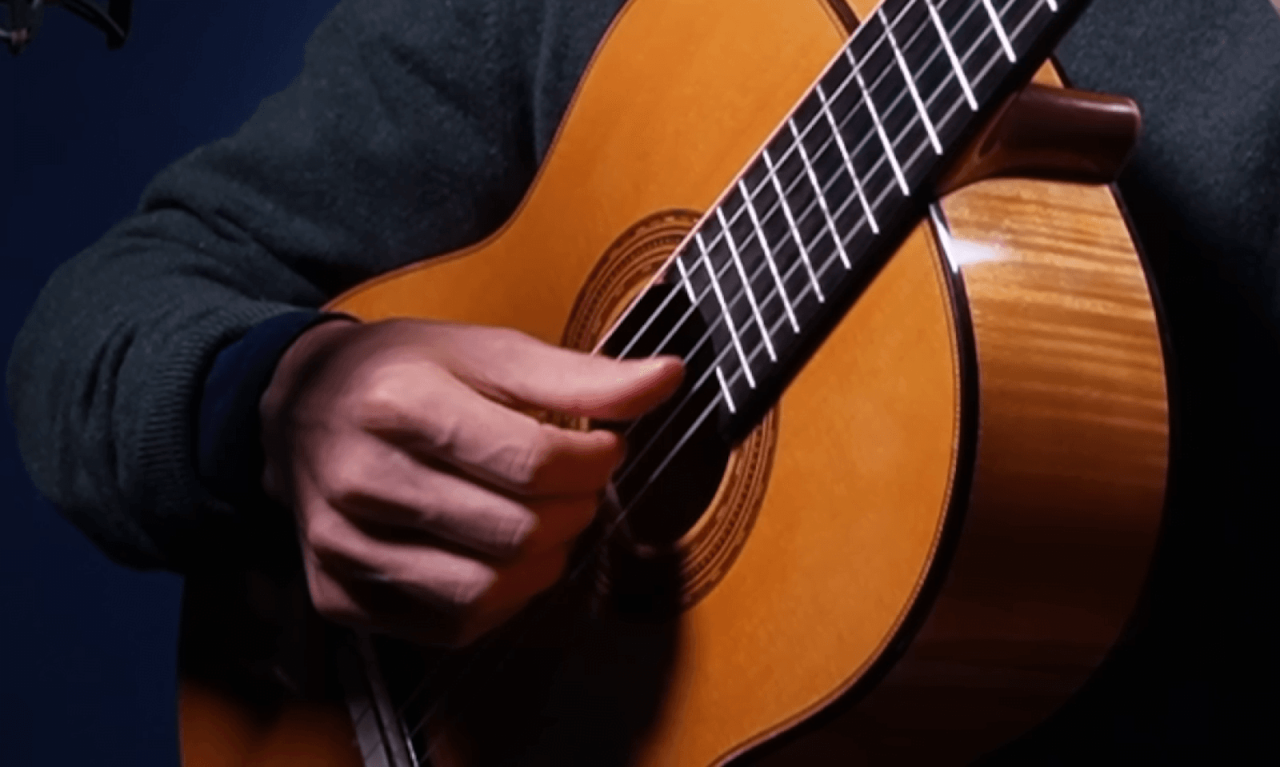
Vibrato is a nuanced technique that adds depth and emotion to musical performances. Mastering vibrato involves understanding and practicing various methods that enhance your control and expression. This section will detail different techniques to practice and improve vibrato, providing a comprehensive understanding of its execution across various instruments.
Methods to Practice Vibrato Technique
Developing a strong vibrato technique requires dedicated practice and specific exercises tailored to your instrument. The following methods Artikel effective approaches to cultivate vibrato control:
- Wrist Vibrato: Used predominantly by string players, the wrist vibrato involves moving the wrist to create a slight oscillation. To practice this, place your finger on the string and gently rock your wrist back and forth while maintaining contact with the string. This technique promotes a smooth and controlled vibrato.
- Arm Vibrato: This technique incorporates the entire arm’s motion and is suitable for wind players. To execute this, establish a firm embouchure or finger placement while moving your arm slightly up and down. Focus on maintaining a steady airflow or tone while executing the vibrato.
- Finger Vibrato: This method is particularly useful for instruments like the guitar or piano. It involves a controlled oscillation of the finger pressing down on a note. Practice by holding a note steady and gently rolling your finger back and forth, ensuring the pitch fluctuates without losing the tone’s quality.
Step-by-Step Guide for Achieving Controlled Vibrato
Achieving controlled vibrato involves a series of structured steps that focus on developing muscle memory and consistency. Follow these steps to refine your vibrato technique:
- Start Slow: Begin by playing a single note at a comfortable tempo. Focus on producing a clean sound without any vibrato.
- Incorporate Motion: Gradually introduce slight movements, such as rocking the wrist or finger, while maintaining the note. Aim for small oscillations initially.
- Increase Speed: As you become comfortable with the motion, gradually increase the speed of the oscillation while ensuring the pitch remains consistent.
- Add Dynamics: Practice varying the intensity of your vibrato. Experiment with wider and narrower oscillations to express different emotional nuances in your playing.
- Practice with Scales: Apply your vibrato technique to scales and arpeggios. This will help integrate vibrato into your overall playing, improving fluidity and control across different musical contexts.
Examples of Vibrato Exercises for Different Instruments
Each instrument has unique characteristics, requiring tailored vibrato exercises to perfect the technique. Here are some examples for various instruments:
- Violin: Practice vibrato by holding the A string and oscillating your finger while playing open strings. This helps develop both finger independence and control.
- Flute: Focus on breath support while practicing vibrato. Use a metronome and practice oscillating your pitch slightly above and below the note while maintaining a steady airflow.
- Piano: Using a single note, apply gentle rocking of your wrist while pressing down on a key. This exercise helps create a subtle vibrato effect by mimicking the oscillation of pitch.
- Guitar: Apply finger vibrato on sustained notes. Practice bending the string slightly while maintaining the note to develop a smooth vibrato sound.
“Vibrato is not just a technique; it is a means of expressing the soul’s language through music.”
Incorporating Vibrato into Musical Phrases
Incorporating vibrato into musical phrases is essential for enhancing the expressiveness of melodies. This nuanced technique transforms simple notes into emotive expressions, allowing musicians to convey feelings and connections with their audience. Understanding how to strategically apply vibrato within specific musical contexts leads to a more profound interpretation of the music being performed.Effective use of vibrato requires careful consideration of various musical elements, including tempo, dynamics, and the emotional intent of the piece.
Each musical context calls for a tailored approach, where vibrato can either complement the melody or contrast it to emphasize particular sections. Below are strategies to effectively incorporate vibrato into musical phrases.
Strategies for Applying Vibrato in Musical Contexts
Applying vibrato effectively relies on keen awareness of the emotional landscape of the piece. Here are key strategies to consider:
- Match Vibrato Speed to Tempo: In faster pieces, a quicker vibrato may enhance the energy of the music, whereas, in slower pieces, a broader vibrato can evoke a sense of longing or depth.
- Use Vibrato to Highlight Key Notes: Employing vibrato on important melodic notes can draw the listener’s attention, creating a poignant moment that resonates emotionally.
- Contrast Vibrato with Straight Tones: Alternating between vibrato and non-vibrato notes can create dramatic tension within a phrase, enhancing expressiveness by providing contrast.
- Adjust Vibrato Intensity: Varying the intensity of vibrato throughout a piece allows for dynamic fluctuations that can mirror the narrative of the music, adding layers of emotion.
Incorporating these strategies not only enhances the melodic lines but also elevates the overall performance, resonating more deeply with the audience.
Using Vibrato to Enhance Expressiveness in Melodies
Vibrato can significantly enhance the expressiveness of melodies when applied thoughtfully. Consider the following guidelines to enrich musical phrases:
- Employ Subtlety: Gentle vibrato can add warmth to a note without overwhelming it, making the music feel more intimate and relatable.
- Match Emotional Content: Align the vibrato style with the emotional context of the music; for instance, a joyous piece might call for a bright, lively vibrato, while a mournful melody may benefit from a slower, deeper vibrato.
- Consider the Style: Different genres have varying norms for vibrato usage. Classical music may demand more pronounced vibrato, while jazz might favor a lighter touch.
- Adapt to the Instrument: Each instrument has unique characteristics, and vibrato techniques should be adapted accordingly to maintain the instrument’s voice and integrity.
By skillfully implementing these guidelines, musicians can dramatically improve the expressiveness of their performances, making their interpretations more impactful.
Examples of Musical Excerpts Where Vibrato Impacts Emotion
The following excerpts exemplify the emotional impact of vibrato in various musical settings:
- “Nessun dorma” from Puccini’s Turandot: The climactic moment where the tenor’s sustained high note is enhanced by wide vibrato, creating a sense of triumph and passion.
- Beethoven’s Moonlight Sonata: The gentle, flowing vibrato in the right hand during the melodic line contributes to the piece’s hauntingly beautiful quality.
- “Summertime” from Gershwin’s Porgy and Bess: The use of subtle vibrato in the voice adds a bluesy feel, enhancing the piece’s emotional depth and longing.
- Vivaldi’s The Four Seasons: The intense vibrato employed during the fast passages of “Spring” energizes the performance, encapsulating the vivacity of nature.
These examples illustrate how vibrato, when employed thoughtfully, can transform the emotional landscape of a performance, resonating with listeners on a deeper level.
Emotional Impact of Vibrato
Vibrato serves as a critical technique in music that enhances the emotional delivery of a performance. When executed thoughtfully, it can transform a straightforward note into an expression of deep feeling, allowing musicians to convey a wide range of emotions, from joy to sorrow. The subtleties of vibrato, including its speed and amplitude, can significantly affect the listener’s emotional experience, making it an indispensable tool for any performer striving for expressive depth in their playing.Vibrato influences the emotional delivery of a piece by adding a rich, oscillating texture that can evoke specific feelings.
A gentle and slow vibrato can create a sense of warmth and vulnerability, while a faster, more pronounced vibrato may impart urgency and intensity. Such distinctions highlight the importance of vibrato in shaping the overall mood of a piece. For example, in a romantic ballad, a subtle vibrato can emphasize the tenderness of a phrase, whereas in a dramatic passage, a swift and wider vibrato can enhance the emotional tension.
Comparative Analysis of Performances
Examining performances with and without vibrato reveals stark emotional differences. Vibrato effectively fills a note with life, allowing performers to communicate nuances that a straight tone simply cannot convey. Here are a few points that illustrate these differences:
- Performance without Vibrato: A note played without vibrato may come across as flat and unyielding, lacking the emotional resonance that captures the audience’s attention.
- Performance with Vibrato: Conversely, a note enriched with vibrato can resonate with emotional depth, allowing the audience to feel the performer’s intent and passion.
The comparison between these two approaches showcases vibrato’s crucial role in enhancing emotional connectivity. For instance, a well-known performance by violinist Itzhak Perlman often exemplifies how his use of vibrato adds layers of emotion, transforming a simple melody into a moving expression of human experience.
Insights from Renowned Musicians
Many acclaimed musicians have shared their insights on the use of vibrato to enhance emotional expression. For instance, cellist Yo-Yo Ma emphasizes the importance of vibrato in conveying the character of a piece. He states,
“Vibrato is the singer’s ornament; it gives life to the note and allows the music to breathe.”
This perspective underscores vibrato’s role as a vehicle for emotional expression rather than merely a technical embellishment.Similarly, famed violinist Joshua Bell notes the necessity of vibrato in crafting an emotional narrative within a performance. He explains that employing vibrato thoughtfully can capture the essence of the piece and the performer’s personal interpretation. Bell asserts,
“The beauty of music lies in its ability to express what words cannot, and vibrato is a key element in that expression.”
Such insights highlight how vibrato transcends basic technical skill, becoming an essential element of emotional storytelling in music.
Common Mistakes and How to Avoid Them
When incorporating vibrato into musical performance, musicians often encounter challenges that can hinder the emotional impact of their playing. Recognizing these common mistakes is the first step towards mastering this vital technique. The following sections will identify frequent errors, provide practical solutions, and emphasize the importance of feedback and self-assessment in refining vibrato skills.
Frequent Errors in Vibrato Execution
Many musicians struggle with vibrato due to a variety of common errors. Identifying these mistakes is essential for improvement. Below are some frequent errors encountered when using vibrato:
- Inconsistent Speed: Musicians may execute vibrato with varying speeds, leading to a lack of cohesion in their sound.
- Improper Finger or Hand Position: Poor positioning can result in tension and restrict fluid movement, affecting vibrato quality.
- Overuse or Underuse: Some musicians may apply vibrato excessively, while others may avoid it altogether, diminishing the expressiveness of their playing.
- Lack of Control: Inability to control the width and speed of vibrato can create an uneven sound, making it less effective in conveying emotion.
- Neglecting Musical Context: Using vibrato inappropriately within a musical phrase can detract from the overall interpretation and emotional delivery.
Solutions and Tips for Overcoming Vibrato Pitfalls
To overcome the aforementioned vibrato pitfalls, here are several constructive strategies that musicians can implement:
- Practice with a Metronome: To develop consistency, musicians should practice vibrato at different speeds using a metronome, gradually increasing speed as they gain control.
- Focus on Relaxation: Maintaining a relaxed hand and finger position is crucial. Musicians should engage in warm-up exercises that promote relaxation before practicing vibrato.
- Experiment with Different Styles: Musicians can explore various vibrato styles and applications within their repertoire to find what best suits their musical expression.
- Record and Review: Recording practice sessions allows musicians to listen critically to their vibrato, enabling them to identify areas for improvement.
- Seek Feedback: Collaborating with instructors or peers and asking for constructive feedback can provide valuable insights into one’s vibrato technique.
The Role of Feedback and Self-Assessment
Feedback plays a pivotal role in the development of effective vibrato technique. Self-assessment allows musicians to critically evaluate their performance and recognize specific areas for enhancement. Engaging in regular practice while incorporating the following methods can significantly improve vibrato execution:
- Peer Reviews: Sharing recordings with fellow musicians for feedback can offer fresh perspectives and highlight unnoticed mistakes.
- Personal Reflections: Keeping a practice journal to document progress and challenges can foster a deeper understanding of one’s vibrato journey.
- Professional Instruction: Regular lessons with a qualified instructor can provide personalized guidance and advanced techniques tailored to individual needs.
“Critical self-assessment paired with constructive feedback is essential for mastering the art of vibrato.”
Vibrato in Different Genres
Vibrato is a versatile technique that varies significantly across musical genres, shaping the emotional delivery and stylistic authenticity of performances. Understanding how vibrato is employed in different genres allows musicians to enhance their expressive capabilities and connect more deeply with their audience. The unique characteristics of vibrato in genres such as classical, jazz, and pop illustrate the rich diversity of musical expression and the cultural influences that shape these styles.
Comparison of Vibrato Styles
The application of vibrato is not uniform; it changes from one genre to another, influenced by the artistic norms and expectations of each. Below is a comparison of vibrato usage across various genres, highlighting distinct styles and characteristics.
| Genre | Vibrato Style | Characteristics | Iconic Performance Example |
|---|---|---|---|
| Classical | Wide & Slow Vibrato | Typically employed to enhance lyrical passages, providing warmth and richness. The width of the vibrato can vary, often slower to convey dramatic emotion. | Lucia di Lammermoor by Joan Sutherland |
| Jazz | Subtle & Variable Vibrato | Used more sparingly and often with a quicker oscillation. The vibrato may shift in width and speed, allowing for a more spontaneous expression that complements improvisation. | Take Five by Dave Brubeck |
| Pop | Narrow & Quick Vibrato | Often applied to emphasize emotional points in a song. The vibrato is generally tighter and quicker, aligning with the rhythmic and melodic contours of contemporary pop. | Someone Like You by Adele |
The vibrato techniques utilized in these genres not only serve aesthetic purposes but also reflect the underlying cultural narratives and emotional contexts. For instance, the wide and slow vibrato in classical music connects deeply with the emotive weight of the compositions, while jazz’s subtle and variable vibrato enhances the improvisational nature of the genre. In pop music, the quick and narrow vibrato resonates with the drive for immediacy and relatability in modern songwriting.
These distinctions underscore the importance of mastering genre-specific vibrato techniques to fully realize artistic expression.
The Relationship Between Vibrato and Dynamics
The interplay between vibrato and dynamics is a crucial aspect of musical expression. Vibrato enhances the emotional depth of a piece, while dynamics provide the framework for volume and intensity. Together, they can create a rich, nuanced performance that captivates the listener. Understanding how to effectively combine these elements will not only elevate your playing but also allow you to convey a more profound emotional message.Vibrato interacts with dynamics in several meaningful ways.
When a performer uses vibrato, it can influence the perceived volume and intensity of a note. A wider, more pronounced vibrato can give the impression of increased volume, while a subtle, quick vibrato may lend a softer touch to a note. This relationship allows musicians to manipulate the emotional impact of a phrase, leading to a more expressive interpretation. Additionally, the dynamic level at which vibrato is executed can change its effect; for instance, applying vibrato during a crescendo can heighten the emotional response and create tension.
Exercises for Combining Vibrato with Varying Dynamics
Practicing vibrato alongside dynamics is essential for developing a nuanced playing style. Below are some exercises designed to help musicians integrate these two elements effectively:
1. Vibrato with Crescendo and Diminuendo
Select a sustained note and practice applying vibrato while gradually increasing (crescendo) and decreasing (diminuendo) the volume. Start softly, then build to a strong dynamic, and finally ease back to a soft finish. This exercise will help you understand how vibrato can enhance dynamic changes.
2. Vibrato at Different Dynamic Levels
Play a scale using a consistent vibrato technique while varying the dynamics for each note. For example, start each note at a piano dynamic (soft), then move to mezzo-piano, mezzo-forte, and finally to forte. This will help you learn to control vibrato in relation to dynamic changes.
3. Dynamic Contrast with Vibrato
Choose a melodic phrase and play it first without vibrato, focusing on the dynamics. Then, reintroduce vibrato, emphasizing the dynamics further. Observe how vibrato alters the emotional perception of dynamic contrasts in the melody.
“Combining vibrato with dynamic elements enhances the emotional depth of a performance, allowing for greater expression and connection to the audience.”
Examples of Dynamic Contrast Enhanced by Vibrato
Numerous musical compositions demonstrate the powerful relationship between vibrato and dynamics. Here are a few notable examples:
Mozart’s Violin Concertos
In these works, the interplay of vibrato and dynamics helps to articulate the joyful and lively character of the music. For instance, a strong vibrato on a forte passage can enhance the sense of brilliance and excitement.
Tchaikovsky’s Violin Concerto
The emotional climaxes in this piece are often marked by vigorous use of vibrato during crescendos, which accentuates the drama and intensity of the music. The contrast between softer passages and powerful climaxes, enhanced by vibrato, creates a compelling narrative through sound.
Chopin’s Nocturnes
In these pieces, the use of gentle vibrato during softer dynamic levels adds a layer of melancholy and introspection. As the dynamics swell, the vibrato becomes more pronounced, reflecting the emotional turmoil and passion inherent in Chopin’s music.Through these examples, it becomes evident that the relationship between vibrato and dynamics is not merely technical; it is a vital component of musical storytelling that can evoke a wide range of emotions in listeners.
Personalizing Your Vibrato Style
Developing a personalized vibrato style is essential for musicians seeking to convey their unique musical identity. Vibrato not only enhances the emotional quality of a performance but also distinguishes a player’s sound. By exploring different techniques and approaches, musicians can cultivate a vibrato that reflects their individual artistry.Experimenting with vibrato speed and depth is a vital part of developing a signature sound.
Musicians can manipulate these elements to achieve different emotional effects, from a rapid, intense vibrato that conveys urgency to a slow, wide vibrato that evokes a sense of longing. Documenting these variations in speed and depth can help in refining a personal vibrato style.
Techniques for Experimenting with Vibrato Speed and Depth
It is important for musicians to understand how variations in vibrato speed and depth affect their overall sound. Here are some methods to experiment with these factors:
- Speed Variation: Try practicing your vibrato at different speeds. For instance, set a metronome at slow tempos and gradually increase the speed while maintaining control. This variation can help to identify what feels most natural and expressive.
- Depth Exploration: Experiment with varying the width of your vibrato. A narrower vibrato may create a more subtle effect, while a wider vibrato can produce a dramatic emotional response. Practice both extremes and find a balance that resonates with your playing style.
- Contextual Application: Apply different vibrato styles to specific musical phrases. For example, use a slow, wide vibrato for lyrical passages and a faster, tighter vibrato for more aggressive sections. This contextual application will help in refining your approach.
- Recording Yourself: Record your practice sessions to listen back for clarity and emotional impact. Pay attention to how changes in speed and depth affect the expression of your performance.
Documenting and refining your personal vibrato style is crucial for consistent development. Keeping track of your experiments and their outcomes will allow for a more focused approach to mastering vibrato.
Guide for Documenting and Refining Personal Vibrato Style
Maintaining a systematic approach to your vibrato practice will facilitate improvement. Here are steps to effectively document and refine your vibrato style:
- Create a Practice Journal: Dedicate a section of your practice journal to vibrato. Record your daily exercises, noting the speed, depth, and context of each practice session.
- Set Goals: Develop specific goals for your vibrato. For example, aim to incorporate a new vibrato style into a piece you’re working on or focus on achieving a consistent speed during a performance.
- Regular Assessment: Schedule periodic reviews of your recorded practice sessions to assess your progress. Note areas of strength and weaknesses, and adjust your practice accordingly.
- Seek Feedback: Share your findings with fellow musicians or instructors. Their perspectives can offer valuable insights into how your vibrato style is perceived and how it can be improved.
By exploring these techniques and maintaining a diligent recording practice, musicians can cultivate a vibrato style that is distinctively their own, enhancing their overall expressiveness and emotional connection in performances.
Last Recap
In summary, the journey of mastering vibrato is not just about technique but about embracing the emotional power it holds. By implementing the discussed strategies and insights, musicians can enhance their expressiveness and connect more deeply with their audience, ensuring that their playing resonates on a profound level. Vibrato is not merely a technique; it’s a vital tool in the emotional toolkit of every musician.