How to Use Tapping on the Electric Guitar is an intriguing exploration into a technique that has revolutionized guitar playing since its inception. Originating in the world of electric guitar, tapping allows musicians to produce mesmerizing melodies and intricate riffs that stand apart from traditional playing styles. This technique not only enhances musical expression but also adds a unique dimension to a guitarist’s repertoire, making it a valuable skill to master.
As we delve deeper into the intricacies of tapping, we will uncover its essential equipment, basic and advanced techniques, and the iconic artists who have popularized this method. Whether you are a novice eager to learn or an experienced player looking to refine your skills, this comprehensive guide will serve as a roadmap to effectively harness the power of tapping.
Introduction to Tapping Technique
The tapping technique on the electric guitar has grown into a fundamental aspect of modern guitar playing, characterized by its unique approach to melody and rhythm. Originating in the late 20th century, tapping allows guitarists to produce rapid and intricate phrases that would otherwise be challenging to achieve using traditional picking techniques. This method not only enhances the expressiveness of the instrument but also broadens the sonic possibilities available to players.Tapping differentiates itself from other guitar playing styles by employing the use of both hands on the fretboard.
While conventional playing typically relies on a combination of strumming or picking with one hand and fretting with the other, tapping utilizes both hands to achieve a fluid movement across the strings. This creates a distinctive sound that is often described as more melodic and legato than standard picking techniques. In addition, tapping can be seamlessly integrated with other playing styles, such as legato, hammer-ons, and pull-offs, allowing for a rich tapestry of sound.
Benefits of Using Tapping in Guitar Playing
The incorporation of tapping into guitar playing offers numerous advantages that can significantly enhance a musician’s skill set and overall performance. Below are key benefits associated with this technique:
- Increased Speed and Fluidity: Tapping allows players to execute rapid melodic lines with ease, as it minimizes the need for traditional picking. This results in a more fluid sound, facilitating faster play.
- Expanded Melodic Range: The technique enables musicians to explore a wider range of notes and intervals, creating complex musical phrases that can captivate audiences.
- Dynamic Expression: Tapping offers unique tonal qualities that can add depth and emotion to performances. By varying the strength and speed of taps, players can convey different feelings and intensity.
- Enhanced Technical Skills: Mastering the tapping technique improves finger dexterity and coordination, which can benefit overall guitar playing, including scales and arpeggios.
- Versatility Across Genres: Tapping is not limited to a single style of music; it can be effectively used in rock, metal, jazz, and even classical contexts, making it a versatile tool for any guitarist.
“Tapping opens up a world of possibilities, allowing guitarists to express themselves in ways that traditional techniques cannot achieve.”
Incorporating tapping into one’s playing repertoire can lead to greater creativity and innovation in music-making. By understanding and utilizing this technique, guitarists can elevate their performances and explore new musical vistas.
Essential Equipment for Tapping
The tapping technique on the electric guitar requires specific equipment to achieve the desired sound and efficiency. Understanding the types of guitars, amplifiers, effects pedals, and the right accessories is crucial for any guitarist looking to master this unique playing style.
Electric Guitars Suitable for Tapping
When selecting an electric guitar for tapping, certain features should be prioritized to optimize performance. A guitar with a comfortable neck profile and good access to the higher frets is essential. Additionally, guitars with humbucker pickups are often preferred due to their fuller sound and reduced noise. Here are some types of guitars that are well-suited for tapping:
- Solid Body Guitars: Models such as the Fender Stratocaster, Gibson Les Paul, and Ibanez RG series are popular choices due to their sustain and playability.
- Neck-Through Designs: Guitars like the Music Man John Petrucci model offer excellent upper fret access, making them ideal for tapping techniques.
- Superstrats: These guitars combine the comfort of traditional designs with upgraded features that enhance tapping, such as the Jackson Soloist or Schecter Hellraiser.
Amplifiers and Effects Pedals
The right amplifier and effects pedals can significantly enhance the sound when tapping. The quality of amplification affects the clarity and sustain of notes played using the tapping technique. Here are key components to consider:
- Amplifiers: Tube amplifiers, such as the Marshall JCM800 or Fender Hot Rod Deluxe, provide rich overtones and dynamic response. They are favored for their warm sound and responsiveness.
- Effects Pedals: Reverb, delay, and distortion pedals can add depth and character to the tapped notes. Popular options include the Boss DD-7 Digital Delay for echo effects and the MXR Distortion+ for added grit.
- Multi-Effects Units: Devices like the Line 6 Helix or Boss GT-100 can provide a wide range of effects and amp simulations, allowing for versatility in sound experimentation.
String Gauges and Picks for Tapping
The choice of string gauges and picks can greatly influence the ease of executing the tapping technique. Lighter gauge strings tend to be easier to manipulate, while heavier gauges can provide a fuller tone. Consider the following recommendations:
- String Gauges: A common choice for tapping is .009 to .042 gauge strings, which offer a balance between playability and tone. The D’Addario EXL110 set is a reliable option.
- Picks: A medium to heavy pick (0.73mm to 1.0mm) can provide the necessary durability for tapping, with Tortex or Nylon picks being popular for their grip and feel.
- Hybrid Picking Techniques: Some guitarists prefer using their fingers in addition to a pick for tapping, allowing for a more varied attack and expressive playing.
Basic Tapping Techniques
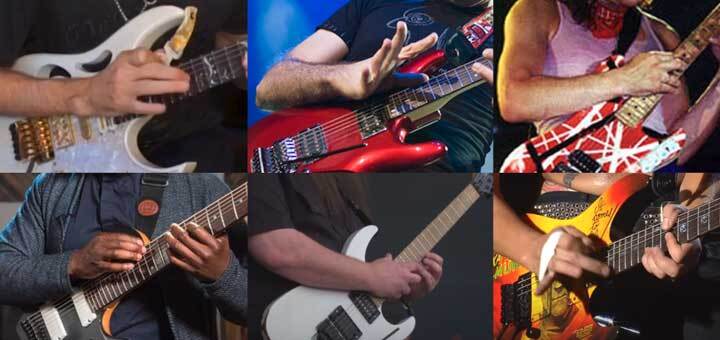
The tapping technique is a strikingly expressive method of playing the electric guitar that allows musicians to create complex melodies and harmonies with relative ease. Understanding the fundamental techniques of tapping is essential for any guitarist looking to expand their skill set. Mastery of finger positioning, hand movements, and coordination lays the groundwork for more advanced tapping exercises and solos.Proper finger positioning and movement are critical for executing tapping techniques effectively.
The primary fingers used for tapping are the index, middle, and ring fingers of the picking hand, which will tap the notes on the fretboard. It is essential that these fingers are used in a coordinated manner, allowing for smooth transitions between notes while maintaining a clean sound. The fretting hand should also be positioned comfortably to facilitate quick changes and support the tapping motion.
Fundamental Finger Positions for Tapping
Establishing the correct finger positions is crucial for effective tapping. Here are the basic hand positions to adopt while practicing tapping techniques:
- Fretting Hand Position: The fretting hand should be positioned in a way that allows easy access to the desired frets. Typically, the index finger is used to hold down the first note of a tapping sequence.
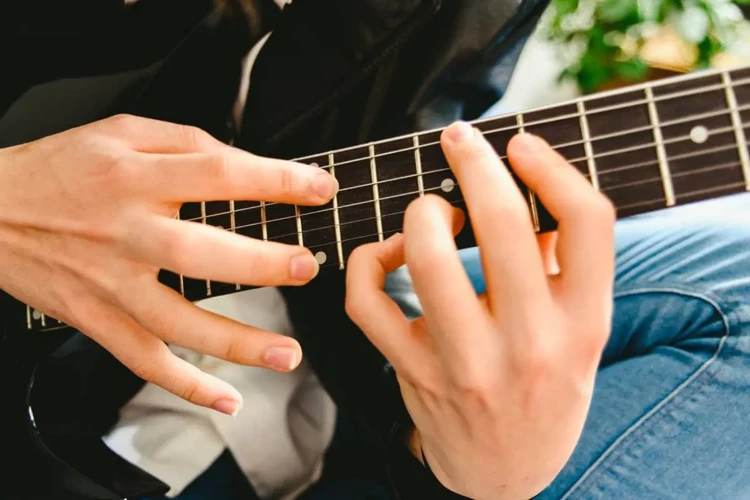
- Tapping Hand Position: The tapping hand is usually positioned over the fretboard, with the index finger, middle finger, and ring finger prepared to tap on the fretboard. The wrist should be relaxed to facilitate movement.
- Finger Placement: When tapping, the fingers of the tapping hand should be perpendicular to the fretboard, ensuring a solid strike. Each finger should be used to tap a different note, allowing for fluid melodic runs.
Proper Hand Movements and Finger Coordination
Coordinated hand movements are essential for achieving a clean and articulate tapping sound. Each finger’s motion should be deliberate and fluid. The following techniques can enhance finger coordination:
- Tapping Technique: Use a quick downward motion to tap the note on the fretboard, followed immediately by the release of the finger to allow the note to ring. This technique is vital for producing a clear sound.
- Pull-Offs: Combining taps with pull-offs from the fretting hand can create a more dynamic sound. After tapping a note, pull your finger off to let another note ring out from the fretting hand.
- Synchronization: Train your fingers to operate independently while maintaining synchronization. This skill is best developed through consistent practice and focusing on muscle memory.
Step-by-Step Guide for Practicing Basic Tapping Exercises
A structured approach to practice is vital for mastering tapping techniques. The following step-by-step guide Artikels a simple exercise to develop your tapping skills:
- Warm-Up: Begin with basic finger exercises to warm up both hands. Simple scales or finger stretches will prepare your muscles for tapping.
- Select a Simple Phrase: Choose a two or three-note melody that you can comfortably play with your fretting hand.
- Tap the First Note: With your tapping hand, use your index finger to tap the first note of the melody on the fretboard. Ensure you strike directly above the fret for clarity.
- Add Subsequent Notes: Following the first tap, incorporate other fingers from your tapping hand to play subsequent notes. Practice this slowly at first.
- Integrate Pull-Offs: Once you are comfortable, begin adding pull-offs from your fretting hand after each tap to create a fuller sound.
- Increase Speed Gradually: After mastering the exercise at a slow tempo, gradually increase your speed while maintaining precision and clarity.
“The key to effective tapping is practice, control, and patience. Consistent application of these techniques will yield significant improvements in your playing.”
Advanced Tapping Techniques
Mastering advanced tapping techniques can significantly elevate a guitarist’s ability to create complex and dynamic musical phrases. These techniques require not only technical proficiency but also an understanding of how to integrate them into various musical styles effectively. As guitarists progress, exploring advanced tapping opens up a world of creative possibilities and expressive potential.
Two-Handed Tapping Styles
Two-handed tapping is a technique that involves using both hands on the fretboard to produce notes. This method allows for a more extensive range and rapid note sequences, enabling guitarists to craft intricate melodies and harmonies. The following are important aspects of two-handed tapping:
- Technique Overview: Two-handed tapping involves the use of the picking hand to tap on the fretboard while the fretting hand also plays notes. This enables the guitarist to create complex patterns and sequences.
- Finger Placement: Proper finger placement is crucial. The fingers of the tapping hand should strike the strings firmly enough to produce clear notes without excessive force that could lead to a muted sound.
- Common Patterns: Among the common patterns in two-handed tapping are arpeggios and scales played across the fretboard, which can be combined to create musical phrases. For instance, a descending arpeggio can be tapped using both hands to produce a fluid sound.
Incorporating Hammer-Ons and Pull-Offs
Integrating hammer-ons and pull-offs into tapping sequences enhances the fluidity and expressiveness of the performance. These techniques create a seamless transition between notes, adding to the overall texture of the music. Important points regarding their implementation include:
- Hammer-Ons with Tapping: When tapping a note, follow it with a hammer-on from a higher fret using the fretting hand to create a cascading effect. This technique is used extensively in solos to add depth.
- Pull-Offs Following Taps: After tapping a note, executing a pull-off to a lower note enhances the melodic line. This combination can yield rapid-fire sequences that sound impressive and dynamic.
- Practicing Sequences: Create practice sequences that alternate between tapping and hammer-ons or pull-offs. For example, tapping a note on the 12th fret followed by a hammer-on to the 14th, then a pull-off back to the 12th creates a fluid motion that can be developed into more complex phrases.
Use of Tapping in Different Genres
Tapping techniques have found their place across various genres of music, each utilizing the technique to enhance musical expression. Understanding how to adapt tapping to different styles is essential for versatility.
- Rock Music: In rock, tapping is often used to create soaring solos and complex riffs. Guitarists such as Eddie Van Halen popularized this technique, integrating it into high-energy performances and compositions.
- Jazz Music: Jazz guitarists employ tapping to add improvisation and intricate harmonies. The fluidity of tapping allows for the exploration of extended chords and rapid melodic lines, enhancing the overall sophistication of jazz solos.
- Metal Genres: In metal, tapping is typically used for technical solos and aggressive riffs. Artists like Tosin Abasi and Steve Vai showcase advanced tapping in their compositions, frequently combining it with fast alternate picking and string skipping.
“Advanced tapping can transform your guitar playing, allowing you to express complex musical ideas with clarity and precision.”
Famous Tapping Songs and Artists
The tapping technique on the electric guitar has gained immense popularity, thanks to its distinctive sound and expressive potential. Numerous songs across various genres showcase this technique, highlighting the skills of some of the most renowned guitarists in history. By studying these iconic tracks and artists, one can gain insight into the versatility and creativity that tapping brings to the guitar.One notable aspect of tapping in guitar music is its presence in both rock and progressive genres.
Many songs not only feature tapping but also employ it as a central element in their composition. Below is a list of iconic songs that prominently feature tapping, along with an analysis of the tapping techniques utilized in each:
Iconic Tapping Songs
The following songs are celebrated for their innovative use of tapping techniques, showcasing the skill of the guitarists behind them.
- “Eruption” by Van Halen
-This instrumental piece is one of the most iconic examples of tapping in rock music, featuring rapid-fire notes and complex patterns that have influenced countless guitarists. - “Scarborough Fair” by Paul Simon
-This acoustic arrangement incorporates tapping to create a haunting melody, blending folk and rock elements seamlessly. - “For the Love of God” by Steve Vai
-In this song, Vai uses tapping to articulate emotional phrases, demonstrating the expressive capabilities of the technique in a more melodic context. - “Hotel California” by Eagles
-The guitar solo in this classic rock song includes tapping sections, enhancing the overall texture and complexity of the performance. - “Sweet Child o’ Mine” by Guns N’ Roses
-While primarily known for its iconic riff, the song also features tapping techniques that serve to embellish the guitar solos.
Famed guitarists have not only mastered tapping but have also contributed significantly to the evolution of this technique, inspiring future generations.
Renowned Guitarists and Their Contributions
Several guitarists have become synonymous with the tapping technique, each bringing their unique style and innovation to the art form. Their contributions have left a lasting impact on guitar playing worldwide.
- Edward Van Halen
-Often credited with popularizing tapping, Van Halen’s innovative techniques in “Eruption” set a new standard for electric guitar playing, inspiring countless musicians. - Steve Vai
-A virtuoso known for his technical prowess, Vai incorporates tapping into his compositions, using it as a means of expression and exploration of musical ideas. - Joe Satriani
-With his fluid tapping style, Satriani blends rock with intricate melodic ideas, showcasing tapping’s versatility in creating emotion-driven solos. - Paul Gilbert
-Known for his extreme precision and speed, Gilbert employs tapping in innovative ways, further pushing the boundaries of the technique in his performances. - Michael Angelo Batio
-Recognized for his two-guitar style, Batio utilizes tapping to create complex and harmonically rich guitar lines, revolutionizing the technique’s application in metal music.
Live performances often reveal the full potential of tapping, as guitarists demonstrate their technical abilities and engage with the audience.
Live Performances Showcasing Tapping
Certain live performances are marked by exceptional displays of tapping, highlighting the guitarists’ skills while captivating audiences. These performances serve as a testament to the power of tapping in live music settings.
- Van Halen’s performance at the 1984 US Festival
-During this concert, Van Halen delivered a breathtaking rendition of “Eruption,” where his tapping technique was showcased to a massive audience, solidifying his status as a guitar icon. - Steve Vai’s “Live at the Astoria” DVD
-This performance features Vai demonstrating his tapping abilities throughout various songs, including “For the Love of God,” mesmerizing the audience with his intricate fingerwork. - Joe Satriani’s “Live in San Francisco”
-In this concert, Satriani incorporates tapping into many of his songs, offering a masterclass in the technique while engaging the crowd with his dynamic stage presence. - Paul Gilbert’s “Fuzz Universe” live performance
-Gilbert showcases his tapping skills with precision and creativity, bringing an exciting energy to his live shows. - Michael Angelo Batio’s “Speed Kills” concert
-Batio highlights the technical aspects of tapping in his performances, displaying both speed and musicality to the delight of fans.
Practice Routines for Tapping
Establishing a structured practice routine is essential for mastering tapping techniques on the electric guitar. A well-designed schedule can significantly enhance both speed and accuracy, making the learning process more efficient and enjoyable. Consistent practice not only helps in developing muscle memory but also allows the guitarist to track their progress and set achievable goals.To effectively improve tapping skills, it’s important to incorporate a variety of exercises that challenge different aspects of technique.
Below is a structured weekly practice schedule, alongside exercises aimed at refining both speed and accuracy in tapping.
Weekly Practice Schedule
A balanced practice schedule can ensure comprehensive development of tapping skills. Below is a suggested routine for a week, focusing on different areas of tapping proficiency.
- Day 1: Basics of Tapping
Focus on fundamental tapping exercises such as the one-finger tap on the high E string. Aim for precision and clarity in each note. - Day 2: Speed Drills
Utilize a metronome set at a slow tempo (60 BPM) and gradually increase the speed as accuracy improves. Practice exercises that involve quick sequential taps across different strings. - Day 3: Coordination Exercises
Work on exercises that combine tapping with fingerpicking or strumming to enhance coordination. A common exercise is to tap a note and immediately follow it with a pick stroke on the same or adjacent string. - Day 4: Learning Songs
Dedicate this day to practicing tapping sections from well-known songs, such as “Eruption” by Van Halen or “Under the Bridge” by Red Hot Chili Peppers, focusing on integrating tapping seamlessly into your play. - Day 5: Advanced Techniques
Explore advanced tapping techniques, including two-handed tapping and tapping harmonics. Work on incorporating these techniques into more complex pieces. - Day 6: Improvisation
Spend time improvising with tapping in various scales to develop creativity. Record your sessions to review and analyze your progress. - Day 7: Review and Relax
On the final day of the week, review everything you learned. Play through your favorite exercises and songs, focusing on areas needing improvement.
Exercises for Speed and Accuracy
Incorporating specific exercises within your practice routine can lead to notable improvements. Here are effective exercises that target speed and accuracy in tapping:
- Scales with Tapping: Practice major and minor scales using tapping on every other note to enhance both speed and finger independence.
- Chromatic Tapping: Play chromatic scales using tapping exclusively, starting slowly and increasing the tempo as comfort increases.
- Arpeggio Tapping: Work on arpeggios where each note is tapped, focusing on fluid transitions between notes to maintain speed.
- Rhythmic Patterns: Create tapping patterns with varying rhythms to develop a sense of timing and groove. Use a metronome to stay consistent.
- Finger Strength Exercises: Incorporate finger exercises like finger lifts and stretches that can enhance tapping agility and strength.
Tracking Progress and Setting Goals
Monitoring progress is crucial for any guitarist aiming to improve their tapping skills. Here are methods to effectively track your advancements and set achievable goals:
- Daily Log: Keep a practice journal documenting what exercises you practiced, the duration, and reflections on your performance and feelings during practice. This can help identify improvement areas.
- Video Recordings: Record your tapping sessions regularly to visually assess your technique and progress over time. Watching yourself play can reveal aspects that need attention.
- Short-term Goals: Set specific, measurable goals for each practice session, such as increasing the metronome speed or mastering a particular song section by the end of the week.
- Long-term Goals: Establish broader goals, such as performing a tapping piece in front of an audience or enhancing your overall guitar proficiency in a set timeframe, such as three or six months.
- Feedback from Peers or Instructors: Seek constructive feedback from fellow guitarists or instructors to gain insights into your playing and areas that may require improvement.
Common Mistakes and Troubleshooting
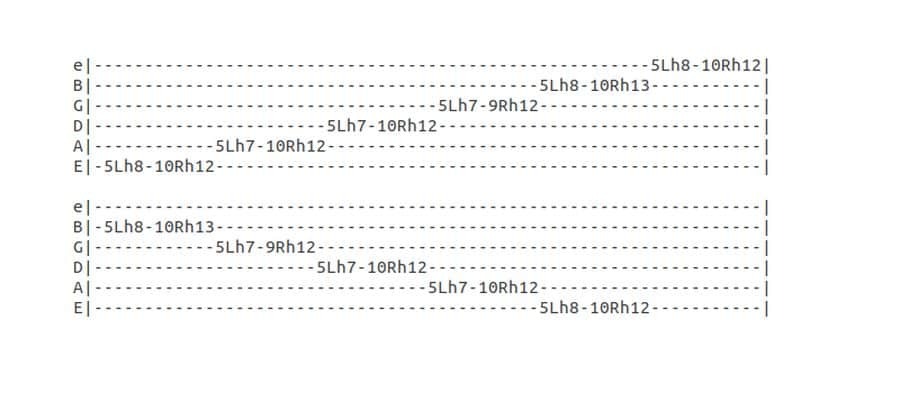
Learning to tap on the electric guitar can be a rewarding but challenging experience for beginners. As with any musical technique, there are common pitfalls that can impede progress and lead to frustration. This section aims to identify these frequent mistakes, provide actionable solutions, and offer guidance on maintaining proper technique to enhance your tapping skills while minimizing discomfort.
Frequent Mistakes in Tapping Technique
Beginners often encounter specific challenges when learning tapping techniques. Understanding these mistakes is essential for effective learning. Below are some of the most common errors and suggested remedies:
- Overly Tense Hands: Many learners grip the neck of the guitar too tightly while tapping, leading to cramping and fatigue. To alleviate this, practice relaxing your grip and focusing on fluid movements.
- Incorrect Finger Placement: Proper positioning of fingers is crucial for effective tapping. Ensure that your tapping fingers (typically the index and middle fingers) strike the fretboard directly over the fret to produce a clear sound.
- Inconsistent Timing: Tapping requires precise timing to create a musical flow. Beginners often rush passages or lose rhythm. Use a metronome to practice slow, focused exercises, gradually increasing speed while maintaining accuracy.
- Neglecting Picking Hand Coordination: Many players focus solely on their tapping hand. However, the picking hand must also be coordinated for clean transitions. Regular practice of scales or simple riffs that incorporate both hands can improve coordination.
- Failing to Use the Right Gear: Using improper equipment, such as an unbalanced guitar setup or unsuitable pickups, can hinder sound quality. Ensure your guitar is properly set up with suitable strings and pickups for tapping.
Overcoming Finger Fatigue
Finger fatigue can be a significant barrier for beginners, particularly during extended practice sessions. To combat this issue, consider the following strategies:
- Gradual Increase in Practice Duration: Start with shorter sessions of about 10-15 minutes focused on tapping, gradually increasing as your strength and endurance improve.
- Incorporate Rest Periods: Take short breaks during practice to allow your fingers to recover, particularly if you start to feel discomfort.
- Stretch Your Fingers: Before and after practicing, perform finger stretches to enhance flexibility and reduce tension.
Maintaining Proper Technique to Prevent Injury
Injuries can occur if tapping is practiced without attention to proper technique. To prevent such issues, adhere to the following guidelines:
- Maintain Good Posture: Sit or stand with an upright posture to facilitate relaxed hand and arm positioning. This prevents undue strain on your fingers and wrists.
- Use a Light Touch: Tap lightly on the strings, using just enough force to produce sound without excessive pressure that can lead to strain.
- Pay Attention to Hand Positions: Avoid awkward angles for your wrists and fingers. Keep your wrists straight and fingers relaxed to minimize the risk of repetitive strain injuries.
“Proper technique is fundamental to enjoying the craft of tapping without the hindrance of pain or injury.”
Creative Applications of Tapping
Tapping on the electric guitar is a versatile technique that can significantly enhance your musical expression. As you explore this method, consider how it can be creatively integrated into your songwriting and improvisation. Tapping is not only a tool for impressive solos; it also opens new avenues for texture and dynamism in your compositions.
Incorporating tapping into your playing can dramatically expand your sonic palette. It allows you to produce unique sounds that can evoke a range of emotions, thus enriching your musical storytelling. By blending tapping with other guitar techniques such as strumming and picking, you can create intricate layers of sound that captivate your audience.
Experimentation in Songwriting and Improvisation
Experimentation is key to developing a personal style with tapping. Integrating this technique into your songwriting can lead to unexpected and innovative results. The following points illustrate how tapping can enhance your creative process:
-
Tapping can provide an additional melodic line that harmonizes with the main theme, adding depth to your song.
- Using tapping as a rhythmic element can introduce syncopation and unique groove patterns that stand out.
- Combine tapping with slides or bends to create a fluid transition between notes, enhancing emotional expression.
- Incorporate tapping in key changes to emphasize shifts in dynamics and tonality.
Blending Tapping with Other Techniques
The beauty of tapping lies in its ability to complement various playing styles. By blending tapping with other techniques, you can craft a signature sound that reflects your artistic voice. Here are some effective combinations:
- Pairing tapping with traditional picking can create intricate arpeggios that give a song a rich harmonic structure.
- Integrating strumming with tapping can produce layered chords that resonate with a fuller sound.
- Combining tapping with palm muting allows for a percussive effect, adding an interesting texture to your playing.
- Using tapping in conjunction with harmonics creates ethereal sounds that can transport listeners to different musical realms.
Unique Sounds and Effects Achieved Through Tapping
Tapping can yield an array of unique sounds and effects that can elevate your guitar performance. Understanding these possibilities can ignite your creativity:
- Dynamic harmonics produce bell-like tones that can create a haunting atmosphere.
- Reverse tapping allows for a backward sound effect, which can add an intriguing twist to solos.
- Using varied finger techniques while tapping can create different tonal qualities, from soft and subtle to aggressive and sharp.
- Layering multiple tapping melodies can produce a rich, polyphonic effect that mesmerizes the audience.
Conclusion
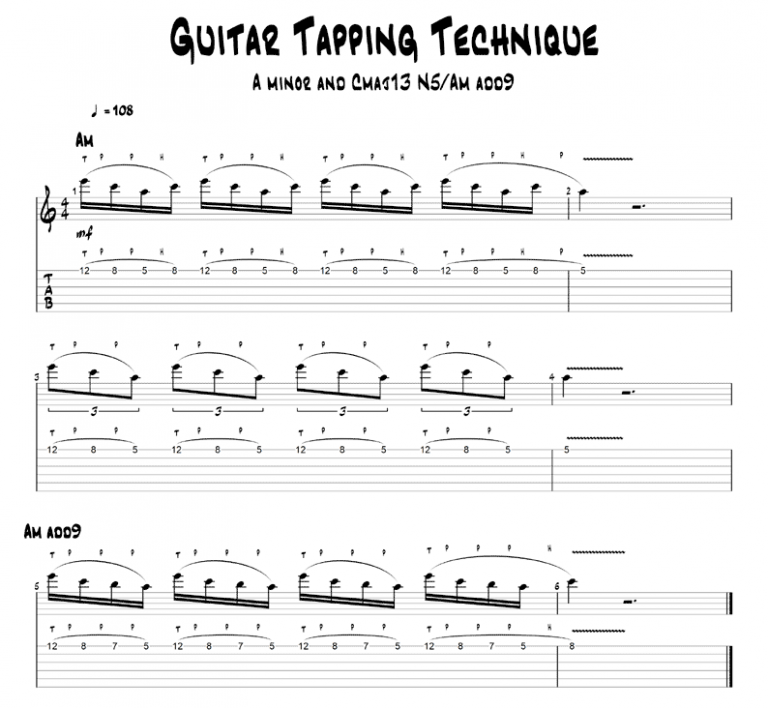
In conclusion, mastering the art of tapping on the electric guitar opens up a world of creative possibilities and musical expression. By understanding the foundational techniques, exploring advanced styles, and learning from the greats, you can elevate your playing to new heights. Remember, regular practice and experimentation are key to developing your unique sound, so embrace the journey and let your creativity shine through your tapping skills.