Exploring How to Use Natural Harmonics for a Bell-Like Sound invites musicians and enthusiasts alike to discover the enchanting world of harmonics in music. These natural harmonics play a crucial role in producing resonant, bell-like tones, which evoke a sense of beauty and clarity in musical performances.
Understanding the various types of harmonics and their applications not only enriches one’s musical knowledge but also enhances the overall sound quality of instruments. From stringed instruments to wind ensembles, the utilization of natural harmonics is a fundamental aspect that shapes the auditory experience.
Introduction to Natural Harmonics
Natural harmonics are overtones produced by a vibrating string or air column that occur at whole-number multiples of the fundamental frequency. The significance of natural harmonics lies in their ability to create rich, bell-like tones that are both resonant and pleasing to the ear. These harmonics are integral to the timbre of musical instruments, enriching the sound and providing a deeper auditory experience.
The concept of harmonics can be categorized into different types, primarily including fundamental frequency and its overtones. The fundamental frequency is the lowest frequency of a sound and defines its pitch, while the overtones are higher frequencies that contribute to the sound’s color and quality. In music, harmonics play a crucial role in determining the unique sound profile of various instruments, influencing how they are perceived by listeners.
Instruments such as the violin, guitar, and flute utilize natural harmonics to enhance their tonal quality, allowing musicians to produce a wide range of sounds and expressive techniques.
Types of Instruments Utilizing Natural Harmonics
Various musical instruments leverage the concept of natural harmonics to create distinctive sounds. Understanding these instruments reveals the diverse applications of harmonics in music.
- Strings: Instruments like the violin and cello use natural harmonics extensively. When a player lightly touches the string at specific points, it produces overtone-rich sounds, akin to that of bells. The placement of fingers on the fingerboard can facilitate the playing of harmonics, allowing for expressive musical passages.
- Woodwind: Flutes and clarinets utilize harmonics by altering the length of the air column through fingerings and embouchure adjustments. This results in bright, clear tones that can resonate beautifully, similar to the sound of bells.
- Percussion: Instruments like the vibraphone and marimba are crafted to produce resonant overtones when struck. The arrangement and tuning of their bars allow for the generation of bell-like sounds, making them popular in both classical and contemporary compositions.
- Brass: In brass instruments such as trumpets and trombones, harmonics are produced by varying the embouchure and using different valves or slides. This enables players to access a series of notes that resonate in a manner reminiscent of bells, contributing to the instrument’s versatility.
“Natural harmonics enrich the music’s texture, adding depth and resonance that captivates the listener.”
Physics of Sound and Harmonics
The exploration of sound and harmonics is deeply rooted in the principles of physics, revealing how vibrations create auditory experiences. Sound waves are produced by vibrating objects, propagating through a medium such as air, water, or solids. Understanding the scientific principles behind sound waves and harmonics is essential for musicians and sound engineers alike, especially when seeking to replicate bell-like sounds through natural harmonics.
The behavior of sound waves is governed by various physical principles including frequency, wavelength, amplitude, and the speed of sound. When an object vibrates, it generates sound waves that travel through the medium, allowing us to perceive sound. The frequency of these vibrations determines the pitch of the sound, while the amplitude relates to its loudness. Harmonicas are linked through a series of frequencies called the harmonic series, which play a crucial role in the characteristics of sound produced by musical instruments, including those that mimic bell tones.
Harmonic Series and Bell Sounds
The harmonic series is a sequence of pitches that are created when a fundamental frequency is played alongside its integer multiples. This series is pivotal in understanding how bell sounds are formed, as it contributes to the unique tonal qualities they possess. The frequencies that correspond to the harmonic series are derived from the fundamental frequency, leading to a rich blend of sounds that provide the characteristic timbre of bells.
In the context of bell sounds, the harmonic series can be illustrated as follows:
- Fundamental frequency (1st harmonic): This is the lowest frequency and defines the pitch of the bell.
- First overtone (2nd harmonic): This frequency is an octave above the fundamental, adding depth to the sound.
- Second overtone (3rd harmonic): This is a perfect fifth above the 2nd harmonic, enhancing the complexity of the tone.
- Third overtone (4th harmonic): This frequency adds a further layer, typically creating a subtle richness.
The interplay between these harmonics leads to the sonorous and resonant quality of bells. The ability to blend these frequencies effectively is key to achieving the desired bell-like sound.
“The resonance of a bell is not just about the material but also how the waves interact through the harmonic series.”
Frequency and Resonance in Sound Qualities
Frequency and resonance are integral to the production of sound qualities in musical instruments. Each material used in instrument construction has its unique resonant frequencies, which can be manipulated to achieve specific sound qualities. The relationship between the frequency of vibration and the material’s physical properties contributes significantly to the tone produced.
Resonance occurs when an object vibrates at its natural frequency, amplifying the sound produced. This principle can be observed in various musical contexts, including the ringing of bells, where specific frequencies resonate more prominently due to the shape and material of the bell. The following factors are essential in achieving the desired sound qualities through resonance:
- Material composition: Different materials (e.g., bronze, brass) have distinct sonic characteristics due to their density and elasticity.
- Shape and size of the instrument: The physical dimensions influence how sound waves are produced and projected.
- Environmental conditions: Factors such as temperature and humidity can affect sound propagation and resonance.
- Playing technique: The manner in which an instrument is struck or played influences the resultant sound, allowing for a dynamic range of tones.
The effective use of frequency and resonance is crucial for musicians who aim to create soundscapes that evoke the enchanting qualities of bells through natural harmonics.
Techniques for Creating Bell-Like Sounds

The enchanting bell-like sound produced by stringed instruments can be attributed to the effective use of natural harmonics. Mastering the art of creating these ethereal tones requires an understanding of various techniques and the precise application of finger placement and bowing methods. By focusing on these elements, musicians can unlock the full potential of their instruments to produce resonant, bell-like harmonics.Different techniques can be utilized to produce natural harmonics on stringed instruments.
These methods not only enhance the tonal quality but also help in developing a unique musical voice. The following techniques are essential for achieving the desired bell-like sound.
Harmonic Finger Placement
Proper finger placement is crucial when attempting to produce natural harmonics. It is essential to lightly touch the string at specific points while maintaining the correct pressure and angle. The following points Artikel the key aspects of finger placement:
- Use the fingertips rather than the flat parts of the fingers to avoid excessive pressure on the strings.
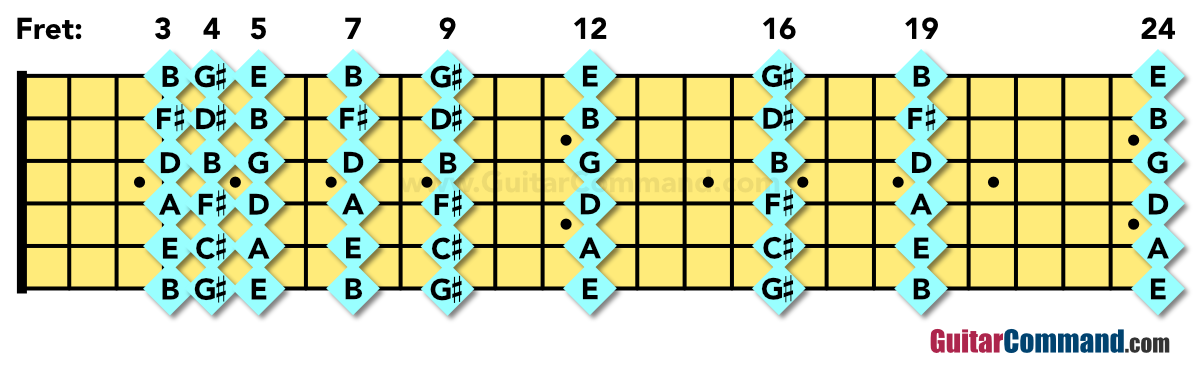
- Identify the harmonic nodes, which are typically located at the 4th, 5th, 7th, and 12th frets on a guitar or at corresponding locations on other stringed instruments.
- Lightly touch the string directly above the node while bowing or plucking the string to create a clear harmonic.
Bowing Techniques for Harmonic Resonance
Bowing technique plays a pivotal role in emphasizing the harmonic resonance of stringed instruments. The dexterity and precision of the bowing hand can enhance the bell-like quality of the sound. Key considerations for effective bowing include:
- Utilize a light bowing pressure to avoid producing a harsh sound; a delicate touch encourages clarity and resonance.
- Bow slowly and steadily over the harmonic node to allow the overtone to ring out, creating a pure tone.
- Experiment with the bowing speed and angle to determine the ideal sound projection for each harmonic.
Step-by-Step Guide to Achieving Bell-Like Sounds
Achieving bell-like sounds on different instruments involves a systematic approach to finger placement and bowing techniques. The following step-by-step guide provides clear instructions for stringed instruments, such as violin, cello, and guitar:
- Start by tuning your instrument to ensure optimal sound quality.
- Identify the harmonic nodes on the instrument and choose a suitable string to practice harmonics.
- Lightly place your fingertip on the node while ensuring the remaining fingers are relaxed to avoid unnecessary tension.
- With your other hand, bow or pluck the string gently at a consistent speed, aiming for the harmonic node.
- Listen attentively to the sound produced, adjusting finger pressure and bowing technique as needed to achieve the desired tone.
- Practice transitioning between harmonics on different strings and nodes to develop versatility in sound production.
These techniques enable musicians to harness the beauty of natural harmonics and create a captivating bell-like sound. With time and dedicated practice, stringed instrument players can significantly enhance their musical repertoire and evoke an enchanting auditory experience.
Effects of Material and Construction on Sound Quality

The choice of material and the construction techniques employed in musical instruments significantly influence their sound quality, particularly in terms of harmonic production. Different materials resonate differently, impacting the richness and clarity of sound. This is especially notable in the quest for bell-like qualities, where specific attributes of the material contribute to the overall tonal character.Wood, metal, and synthetic materials each produce distinctive harmonic profiles.
For instance, the density and elasticity of wood can enhance warmth and resonance, while metals often yield brighter tones with more pronounced overtones. The construction methods, such as thickness of the instrument walls and shape, also play a critical role in sound projection and clarity.
Influence of Material on Harmonic Production
The selection of materials directly correlates with the harmonic richness of an instrument’s sound. Each material possesses unique properties that enhance or diminish specific frequencies. For example:
- Wood: Different types of wood, such as spruce or mahogany, can drastically alter the tonal quality. Spruce is known for its bright, clear sound, while mahogany produces a warmer tone, enriching the mid-range harmonics.
- Metals: Brass and bronze are commonly used in brass instruments, providing a bright, penetrating sound that excels in higher frequencies. The alloy composition also determines the subtleties of the sound produced.
- Composite Materials: Modern advancements in technology have led to the use of composite materials, which can be engineered for specific resonant qualities, combining the best attributes of various substances.
Design features also enhance the bell-like quality of sound. The curvature of an instrument, for instance, can affect how sound waves travel and resonate within. Instruments designed with a bell shape, such as the French horn or certain types of flutes, naturally produce a more harmonious and resonant sound.
Design Features Enhancing Bell-Like Quality
Several design elements are crucial in achieving the desired bell-like sound quality:
- Shape and Size: A bell-shaped structure allows for optimal sound dispersion. The widening bell at the end of an instrument contributes to a more vibrant sound, enhancing harmonic overtones.
- Thickness of Material: Varying the thickness of the instrument’s walls can create different resonant frequencies. Thinner sections may produce a brighter sound, while thicker areas can yield warmth and depth.
- Interior Design: Treatments within the instrument, such as the use of sound posts or braces, can influence sound waves’ movement, impacting the tonal characteristics and harmonic balance.
Historical Examples of Renowned Instruments
Throughout history, specific instruments have garnered acclaim for their exceptional harmonic qualities, showcasing the profound effects of material and construction on sound:
- Stradivarius Violins: Crafted from carefully selected woods and designed with unique arching, Stradivarius violins are celebrated for their unparalleled richness and complexity of sound.
- Steinway Pianos: Known for their high-quality materials and meticulous craftsmanship, Steinway pianos are engineered to produce a wide dynamic range and resonate beautifully across the spectrum of harmonics.
- Gongs: Traditionally made from bronze, gongs are renowned for their bell-like qualities, producing deep, resonant sounds that carry harmonic overtones, often used in spiritual and ceremonial contexts.
Practical Exercises to Develop Harmonic Skills
The exploration of natural harmonics offers musicians an avenue to enhance their tonal palette, enabling them to create bell-like sounds that resonate with clarity and beauty. To cultivate an understanding and mastery of harmonics, engaging in targeted exercises is essential. These practical exercises will not only improve harmonic awareness but also encourage the incorporation of harmonics into everyday practice routines.Developing harmonic skills requires focused practice that challenges the musician’s control over pitch and resonance.
The following exercises are designed to enhance your ability to produce and manipulate harmonics effectively.
Exercises for Improving Harmonic Awareness
Engaging in a variety of exercises can significantly improve your understanding and execution of natural harmonics. Below are specific exercises that can be incorporated into your practice sessions, allowing for gradual development of harmonic skills.
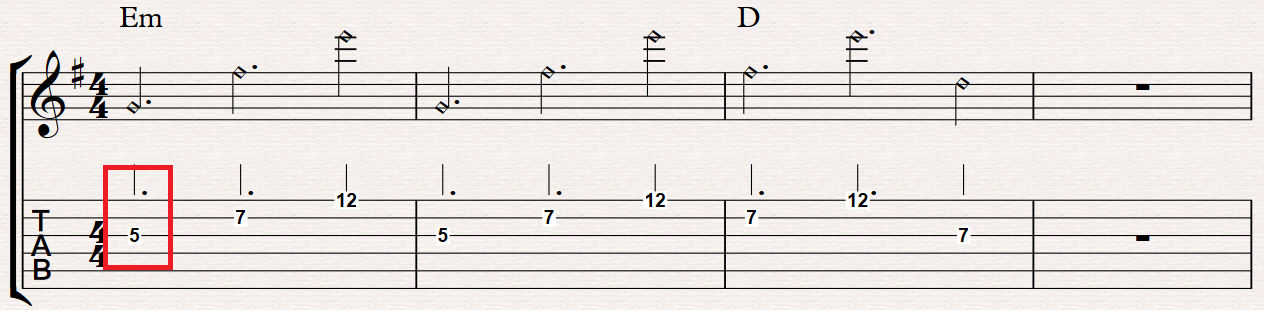
- Harmonic Tuning: Begin by playing a fundamental pitch on your instrument and then lightly touch the string at various harmonic nodes (e.g., 5th, 7th, and 12th frets for guitarists). Aim to produce clear harmonic tones, listening closely to their purity.
- Vocalization: Sing or hum the harmonics while playing to develop an ear for their pitch relationship to the fundamental tone. This exercise helps connect auditory perception to physical execution.
- Harmonic Scales: Create scales based on your instrument’s natural harmonics. For instance, on a guitar, play an open string followed by its harmonics to formulate a scale. Experiment with different starting pitches to explore various harmonic relationships.
- Interval Practice: Play intervals using harmonics. For example, play a harmonic at the 5th fret, then the 7th fret, and so forth. This exercise helps reinforce the understanding of distance and sound between harmonic tones.
Incorporating Harmonics into Regular Practice Routines
Integrating harmonics into daily practice routines is crucial for building proficiency. Here are methods to seamlessly include harmonic exercises into your regular practice schedule.
- Warm-Up Routine: Begin each practice session with a dedicated warm-up focusing on harmonics. Spend 10-15 minutes exploring different harmonic pitches and their qualities to establish a solid foundation.
- Technique Integration: As you work on scales, arpeggios, or pieces, experiment by introducing harmonics within these exercises. This will encourage a natural blend of techniques and broaden your sound palette.
- Daily Reflection: Maintain a practice journal where you document your experiences and discoveries with harmonics. This reflection will reinforce learning and highlight areas for improvement.
Using Harmonics in Improvisation and Composition
Harmonics can add depth and texture to improvisation and composition. Here are guided scenarios for effectively utilizing harmonics in creative contexts.
- Improvisational Framework: Choose a fundamental pitch and establish a simple chord progression. As you improvise, weave in harmonics created from that fundamental tone. This approach can create a rich sonic tapestry that enhances thematic material.
- Layering Techniques: In composition, layer harmonic tones over melodic lines. For example, write a melody and then introduce harmonics at specific intervals to create a contrasting texture. This method can evoke a bell-like quality in your compositions.
- Call and Response: Engage in a call-and-response exercise using harmonics. Play a phrase, then respond with harmonics that complement the original phrase. This technique cultivates an intuitive relationship between pitch and harmony.
“The beauty of harmonics lies in their ability to transcend conventional sound, offering a unique voice that resonates deeply with the listener.”
Application of Harmonics in Different Musical Genres
The application of natural harmonics is a fascinating aspect of musical practice that transcends various genres, enabling artists to create unique soundscapes. Understanding how these harmonics are integrated into different contexts reveals much about their significance and versatility. This section explores the prominent genres that utilize natural harmonics, comparing their use in classical and contemporary styles, and examining the influence of cultural variations on the interpretation of bell-like sounds.
Genres Featuring Natural Harmonics
Natural harmonics are prominent in various genres, each using them to convey specific emotions and atmospheres. The following genres exemplify the diverse applications of harmonics:
- Classical Music: In classical music, natural harmonics are fundamental in string instruments, where composers utilize them to evoke a sense of purity and resonance. Performers often exploit harmonics to achieve ethereal qualities, especially in pieces such as Debussy’s “Clair de Lune.”
- Jazz: Jazz musicians frequently incorporate harmonics into improvisation, allowing for unexpected tonal shifts and expressive depth. The technique can be observed in the works of guitarists like Pat Metheny, whose use of harmonics creates a bell-like timbre that enriches his melodic lines.
- World Music: Many traditions in world music, such as Indian classical music, employ natural harmonics to enhance the spiritual aspect of the performance. Instruments like the sitar exhibit these harmonics prominently, creating resonant overtones that are integral to the raga’s emotional essence.
- Folk Music: Folk genres often utilize harmonics to enrich vocal arrangements and instrumental interplays. For instance, in Scandinavian folk music, the use of harmonics on instruments like the Hardanger fiddle contributes to the unique sound characteristic of the region.
Comparison of Classical and Contemporary Styles
The use of natural harmonics in classical music often emphasizes structural and tonal clarity, serving the intricate compositions of the genre. In contrast, contemporary styles have redefined the role of harmonics, embracing their potential for innovation and experimentation. In classical music, harmonics are meticulously integrated within the notation, often appearing in passages that require technical proficiency and expressive depth. The use of harmonics provides a sense of timelessness and reverence, particularly in orchestral settings where the blending of timbres creates a lush soundscape.Conversely, contemporary music genres, such as ambient and experimental music, leverage harmonics for their textural qualities rather than strict melodic lines.
Artists like Brian Eno use harmonics to craft atmospheric compositions that evoke feelings of space and tranquility. This shift represents a broader trend where harmonics serve not only as melodic embellishments but as fundamental building blocks of sound.
Cultural Variations in Interpretation of Bell-Like Sounds
Cultural contexts significantly influence how harmonics and bell-like sounds are perceived and utilized in music. In cultures where traditional beliefs and rituals are paramount, the interpretation of these sounds often carries profound spiritual significance. For example, in many Asian cultures, the sound of a bell is associated with meditation and mindfulness. In Chinese traditional music, the guzheng can produce bell-like harmonics, symbolizing harmony and peace, while in Japan, the sound of temple bells serves as a reminder of the transience of life.In Western classical music, the bell-like qualities of harmonics often evoke nostalgia and solemnity.
Composers such as Gustav Mahler incorporate these elements to amplify emotional responses in their symphonic works. The diversity in these interpretations illustrates how cultural backgrounds shape the sonic identity of harmonics, making them a universal yet uniquely contextual element in music.
Recording and Producing Bell-Like Sounds
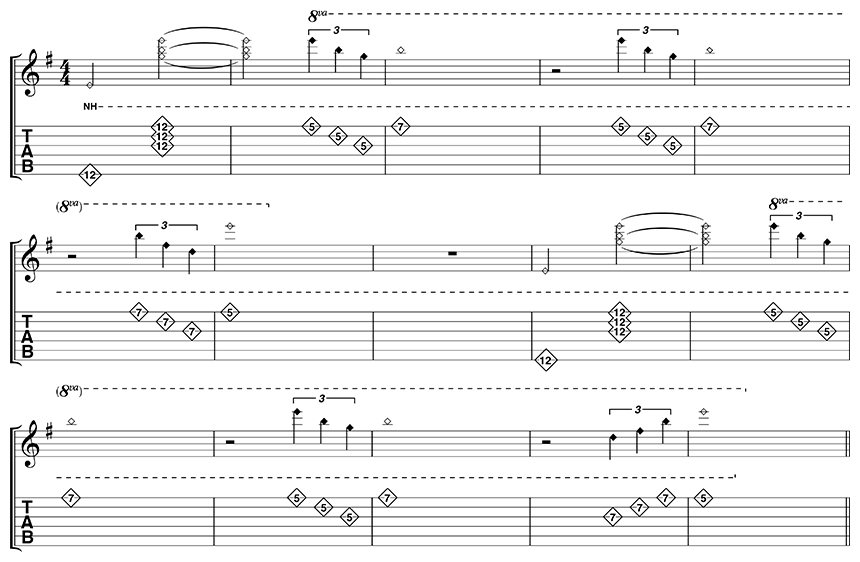
Capturing the essence of natural harmonics in recordings is essential for achieving a bell-like sound that resonates with clarity and depth. This segment will explore effective techniques for recording bell-like sounds, focusing on microphone placement and settings, as well as essential post-production techniques to maintain harmonic richness.
Microphone Placement and Settings
The positioning of microphones is critical in capturing the unique characteristics of harmonic sounds. To enhance the bell-like qualities of your recordings, several factors must be considered, including distance, angle, and type of microphone used.One effective approach is to use a condenser microphone, known for its sensitivity and wide frequency response. Placing the microphone approximately one to three feet away from the instrument allows for a balanced capture of both direct sound and ambient room reflections.
Additionally, angling the microphone slightly toward the area where the harmonics are most pronounced can further enhance the bell-like qualities.Important points to consider for microphone placement include:
- Distance: Experiment with the distance from the source; closer placements emphasize detail, while farther settings can capture room ambience.
- Angle: Adjusting the angle can influence how harmonics are captured; a slight tilt toward the instrument’s body can reveal more complex tones.
- Room Acoustics: Recording in a room with favorable acoustics can greatly enhance the natural resonance of bell-like sounds.
Post-Production Techniques
Post-production plays a vital role in maintaining harmonic richness during the mixing and mastering stages. The goal is to enhance the natural beauty of the recorded sound without compromising its integrity. Key techniques in post-production include equalization, reverb, and dynamic range compression.A well-balanced equalization can emphasize the fundamental frequencies while gently cutting unwanted resonances. Utilizing a high-pass filter can help clear out low-end rumble that may obscure the clarity of the bell-like sounds.Reverb is an essential tool for creating a sense of space and depth.
However, it is crucial to select the type of reverb that complements the harmonic content of the recording. A plate reverb or a hall reverb can add richness while maintaining clarity.To ensure that the final mix retains its harmonic character, consider the following checklist for post-production techniques:
- Equalization: Focus on enhancing the fundamental frequencies (usually around 1 kHz to 5 kHz) while removing any muddiness in lower frequencies.
- Reverb Selection: Choose a reverb type that adds depth without overwhelming the harmonic content; test different settings to find the perfect balance.
- Dynamic Range Compression: Apply compression carefully to maintain the dynamics of the sound while ensuring the harmonics remain prominent.
By carefully implementing these recording and production techniques, musicians and sound engineers can effectively capture and produce bell-like sounds that resonate with the essence of natural harmonics.
Epilogue
In conclusion, mastering the techniques of natural harmonics opens a gateway to creating captivating bell-like sounds that resonate with audiences. By exploring the physics of sound, experimenting with different instruments, and incorporating practical exercises, musicians can elevate their artistic expression while preserving the rich harmonic character that defines their music.