How to Use Dynamics to Make Your Music More Interesting invites musicians and enthusiasts alike to explore the captivating realm of musical dynamics, which breathes life and emotion into compositions. This essential element in music serves not only as a tool for expression but also as a means to engage audiences by varying intensity and creating depth within musical pieces.
Dynamics refer to the volume of sound, encompassing the subtle shifts from soft whispers to powerful crescendos. By understanding and applying various dynamic markings and techniques, musicians can elevate their work, crafting melodies that resonate on a profound emotional level. This exploration promises to unveil how dynamics can transform ordinary music into something truly extraordinary.
Understanding Dynamics in Music
Dynamics in music refer to the varying levels of intensity or volume with which music is played. This concept is crucial for composers and performers as it adds depth and expression to a piece, allowing it to convey a wide range of emotions and narratives. The effective use of dynamics can transform a simple melody into a powerful statement, engaging listeners and enhancing their overall experience.In musical notation, dynamics are indicated using a series of markings that inform musicians how loudly or softly to play.
Understanding these markings is essential for accurately interpreting and performing a composition. Composers utilize these dynamic indicators to build tension, create contrasts, and evoke feelings. The difference in volume can significantly affect how a piece is perceived, highlighting moments of poignancy or excitement.
Dynamic Markings in Musical Notation
Dynamic markings are integral to conveying the intended expression within a musical score. Each marking provides specific guidance on the volume level, allowing musicians to interpret the score accurately. Here are some commonly used dynamic markings:
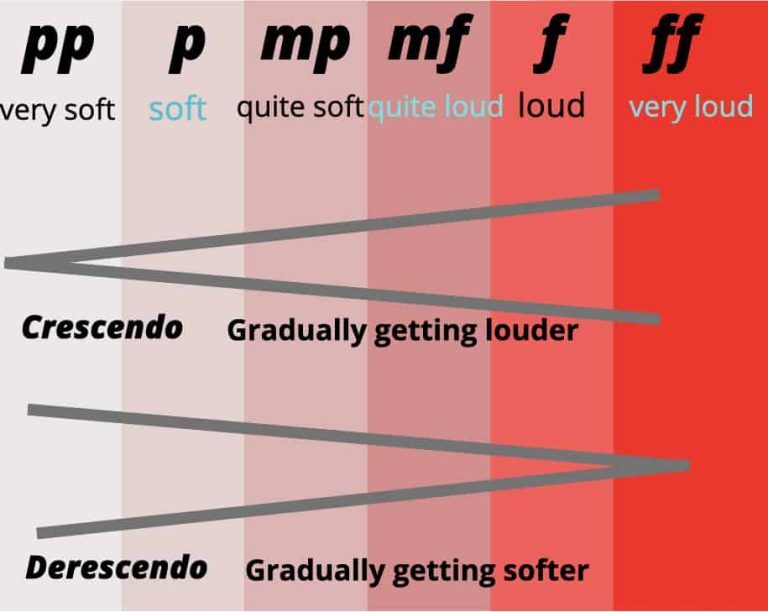
- pp (pianissimo)
-very soft; creates an intimate and delicate atmosphere. - p (piano)
-soft; evokes calmness or serenity. - mp (mezzo-piano)
-moderately soft; used for gentle passages. - mf (mezzo-forte)
-moderately loud; strikes a balance between softness and loudness. - f (forte)
-loud; expresses strength and boldness. - ff (fortissimo)
-very loud; delivers a climactic and powerful impact.
The dynamic range indicated by these markings allows the performer to explore the emotional landscape of the piece, enhancing its overall dramatic effect. Additionally, musicians often encounter terms such as crescendo (gradually getting louder) and decrescendo or diminuendo (gradually getting softer), which dictate how dynamics should change over a passage of music.
The Emotional Impact of Dynamics
Dynamics play a pivotal role in shaping the emotional content of a musical composition. Variations in volume can evoke a wide spectrum of feelings, from joy and exhilaration to sadness and introspection. The interaction between loud and soft passages creates contrast, allowing the audience to experience heightened emotional responses.A well-executed crescendo can build anticipation and excitement, leading to a powerful climax, while a sudden shift to a soft dynamic can create moments of surprise or intimacy.
Consider a symphony where a gentle piano section suddenly swells into a thunderous fortissimo; this contrast can leave a lasting impression on the listener, reinforcing the narrative arc of the piece.
“Dynamic contrasts not only enhance the music but also allow the audience to feel the pulse of the emotional journey.”
In summary, the strategic use of dynamics in music composition is vital for effective storytelling. By understanding and implementing dynamic markings, composers can manipulate emotional responses, ensuring their music resonates deeply with listeners.
Techniques for Incorporating Dynamics
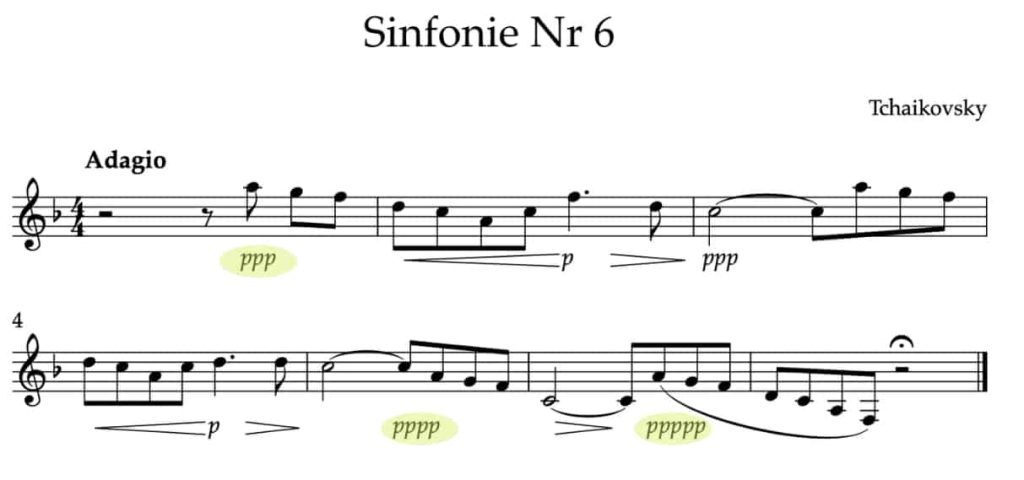
Incorporating dynamics into music composition is essential for creating emotional depth and maintaining listener interest. Techniques for varying dynamics can enhance performances and elevate the overall quality of musical works. Understanding how to effectively implement dynamics allows musicians to express themselves more fully and engage their audience in unique ways.One of the most effective methods for varying dynamics within a composition is through the use of contrasting sections.
These sections not only provide variation but also help to highlight specific musical ideas. For instance, a composer might choose to juxtapose a quiet, reflective section with a loud, exuberant one. This contrast not only captures attention but also emphasizes the emotional journey of the piece.
Examples of Contrasting Sections Utilizing Different Dynamic Levels
Creating sections that employ varying dynamics contributes to the narrative of the music. Here are some examples to illustrate this technique:
- Soft Versus Loud: A serene introduction featuring soft dynamics (piano) can transition into a powerful chorus that utilizes forte. This shift can evoke a sense of awakening or realization.
- Gradual Crescendo: Starting with a soft passage that gradually builds in intensity to a climactic peak creates tension and anticipation, drawing the listener’s focus.
- Sudden Dynamic Changes: Implementing abrupt shifts from loud to soft (or vice versa) can surprise the audience and create excitement. For example, a sudden silence followed by a loud chord can serve as a dramatic moment in a performance.
Understanding how to mark dynamics in sheet music is crucial for effective communication with performers. Clear notation ensures that the intended emotional expressions are conveyed accurately.
Effective Marking of Dynamics in Sheet Music
Properly notating dynamics in sheet music involves several key practices:
- Dynamic Symbols: Use standard dynamic markings such as p (piano), f (forte), mf (mezzo-forte), and crescendo ( <) or decrescendo (>) to indicate desired loudness levels clearly.
- Relative Dynamics: Indicate dynamics that are relative to other sections, such as p for a soft passage and explicitly stating that the following section should be f to ensure performers understand the contrast.
- Articulation Marks: Combine dynamic markings with articulation symbols (such as staccato or legato) to provide additional context on how the dynamics should be expressed, enhancing the overall interpretative quality of the music.
Incorporating these techniques into musical compositions not only enriches the listening experience but also fosters a deeper connection between the performer and their audience.
Using Dynamics to Enhance Melody
Dynamics in music serve as a powerful tool for composers and performers to imbue melodies with emotion and interest. By varying the volume and intensity of notes, musicians can transform a simple melody into a captivating musical experience that resonates deeply with listeners. The effective use of dynamics not only elevates the overall expression of a piece but also engages the audience in a more profound way.When considering how dynamics can enhance melodies, it is essential to recognize the relationship between dynamics and melodic contour.
Melodic contour refers to the shape of a melody as it rises and falls in pitch, and when combined with dynamic variations, it can create a more compelling narrative within the music. For instance, a melody that gradually crescendos may evoke a sense of anticipation or excitement, while a sudden decrescendo may introduce moments of surprise or reflection.
Examples of Famous Melodies Utilizing Dynamics
Several renowned compositions exemplify the effective use of dynamics to enhance melodic lines. The following examples illustrate how dynamics can bring depth and interest to even the most straightforward melodies:
- Beethoven’s “Ode to Joy”: This familiar melody employs dynamic contrasts, beginning softly and building to a grand fortissimo, which reflects the triumphant nature of the piece.
- Vivaldi’s “Winter” from The Four Seasons: The use of sudden dynamic shifts mirrors the violent gusts of winter winds, effectively portraying the season’s harshness through its melodic lines.
- Schubert’s “Ave Maria”: The gentle swells in dynamics create a serene and contemplative atmosphere, enhancing the emotional weight of the melody.
In these examples, the dynamics serve to not only embellish the melodic contour but also to augment the emotional narrative conveyed through the music. The interplay of loud and soft passages invites listeners to experience the music on a more intimate level.
“Dynamic changes breathe life into melodies, transforming them from mere sequences of notes into emotionally charged expressions.”
The relationship between dynamics and melodic contour is essential in understanding how music communicates feelings and ideas. By thoughtfully manipulating dynamics, composers can effectively guide the listener’s emotional journey, making each performance uniquely impactful.
The Role of Dynamics in Arrangement
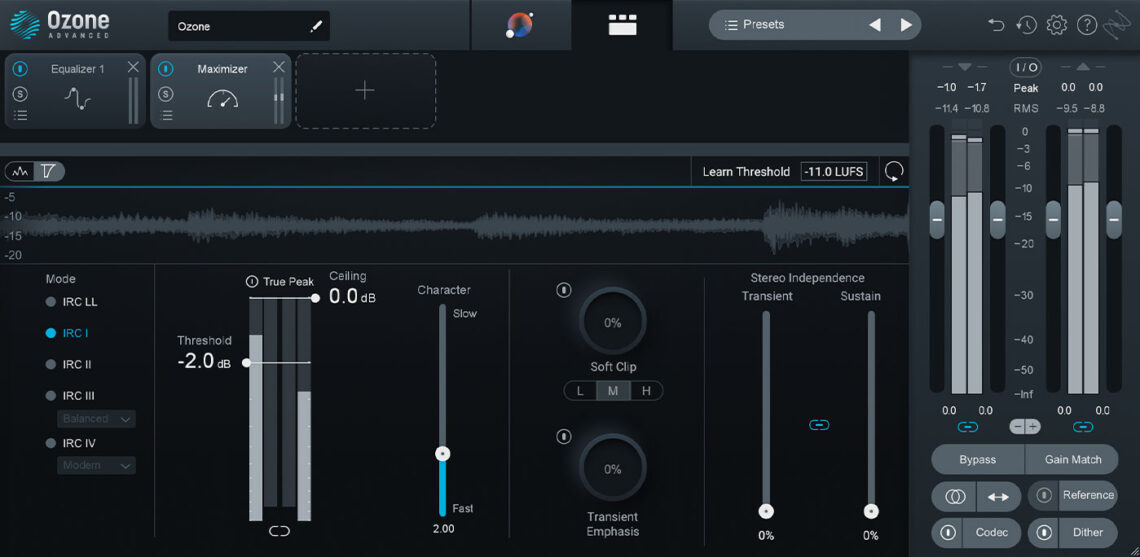
Dynamics play a crucial role in the arrangement of music, influencing how different instruments interact within a composition. The effective use of dynamics can enhance the overall texture and emotional impact of a piece. By understanding the dynamic ranges of various instruments and the strategies for balancing dynamics within an ensemble, composers and arrangers can create a more engaging listening experience.The arrangement of instruments in a musical piece is greatly affected by their dynamic capabilities.
Each instrument has a unique sound and volume range, which can be manipulated to create contrast, maintain interest, and evoke emotions. For instance, a loud brass section can dominate a soft string melody, thus directing the listener’s attention. Therefore, when arranging music, it is important to consider the dynamic range of each instrument to achieve a well-balanced and harmonically rich sound.
Dynamic Ranges of Common Instruments
Understanding the typical dynamic ranges of various instruments aids in making informed decisions about their placement and role in an arrangement. Below is a table outlining different instruments along with their general dynamic ranges:
| Instrument | Typical Dynamic Range (dB) |
|---|---|
| Flute | 60 – 90 |
| Clarinet | 60 – 95 |
| Trumpet | 70 – 105 |
| Cello | 50 – 90 |
| Piano | 30 – 110 |
| Violin | 50 – 100 |
| Drum Kit | 80 – 120 |
The table illustrates the varying dynamic ranges typical of common instruments found in both orchestral and ensemble settings. This information is vital during the arrangement process, as it allows the composer to assign parts effectively, ensuring that no instrument overpowers the others unless intentionally desired.
Strategies for Balancing Dynamics in Ensemble Settings
Balancing dynamics in an ensemble setting is essential for achieving a cohesive sound. Different strategies can be employed to ensure that all instruments are heard clearly, while also contributing to the overall dynamic landscape of the piece. One effective strategy is to utilize dynamic layering, where instruments are arranged in layers according to their dynamic capabilities. Louder instruments can be placed in the foreground while softer instruments provide harmonic support in the background.
This creates a balanced sound that allows each part to shine.Another approach is to implement dynamic contrast within sections of music. By varying the dynamics throughout a piece, composers can maintain interest and heighten emotional impact. For example, a section may start softly and gradually build to a powerful climax, utilizing the full dynamic range of the ensemble.Additionally, conducting techniques also play a significant role in balancing dynamics.
Conductors can cue specific instruments to bring them in at appropriate volumes, ensuring they are neither drowned out nor overly dominant.
“Dynamic balance is essential for a well-rounded musical experience; it allows each instrument to contribute its unique voice.”
By applying these strategies, arrangers can create a more compelling and harmonious composition that effectively utilizes the dynamic characteristics of each instrument.
Dynamic Contrast and Musical Tension
Dynamic contrast plays a crucial role in the emotional and structural fabric of music. By varying the intensity and volume of musical passages, composers and performers can evoke a wide range of feelings, from suspense to exhilaration. The interplay between quiet and loud moments not only maintains listener interest but also establishes a tension that can be resolved, creating a compelling musical experience.Dynamic contrast is essential in crafting musical tension, as it engages the listener’s emotions and expectations.
This tension arises when there is a significant difference in dynamics, drawing attention to specific phrases or sections within a piece. The build-up and release of this tension can keep an audience captivated, allowing composers to explore thematic development and dramatic storytelling. Noteworthy compositions that effectively utilize dynamic contrast include Beethoven’s Symphony No. 5, where the iconic “fate” motif is introduced quietly and then dramatically swells, encapsulating the struggle and triumph central to the symphony.
Similarly, Stravinsky’s “The Rite of Spring” employs stark dynamic shifts to depict the raw power and unpredictability of springtime rituals, creating a palpable tension that ultimately culminates in resolution.To resolve tension created by dynamic changes, several techniques can be employed. These strategies not only provide closure but also enhance the overall musical narrative:
Techniques for Resolving Tension through Dynamic Changes
To effectively resolve tension, composers can utilize various techniques that manipulate dynamics in a deliberate manner. The following methods highlight the importance of careful planning and execution in achieving a satisfying resolution:
- Crescendo and Decrescendo: Gradually increasing (crescendo) or decreasing (decrescendo) the volume can create a natural buildup to a peak, followed by a release that feels organic and satisfying. This technique is often used in compositions leading to a climactic moment, allowing both tension and resolution to flow seamlessly.
- Sudden Dynamic Changes: Implementing abrupt shifts from loud to soft or vice versa can create a moment of shock or surprise. This technique is particularly effective in genres such as rock, where a sudden change can energize the audience and emphasize the importance of a particular section.
- Layering Dynamics: Introducing additional instruments or voices at varying dynamic levels can enhance the texture of the music while creating a rich tapestry of sound. By carefully layering dynamics, composers can create a more intricate resolution that feels both fulfilling and complex.
- Call and Response: This technique can involve contrasting dynamics between two musical lines, where one may be loud and assertive while the other responds softly. This interplay can create a dialogue that naturally leads to resolution as the dynamics balance out.
- Returning to a Theme: Revisiting a previously established theme at a different dynamic level can provide closure. This approach allows listeners to reconnect with familiar material while experiencing it in a new light, reinforcing the journey of tension and release.
“Dynamic contrast not only captures attention but also serves as a powerful tool for emotional expression and narrative development in music.”
Dynamics in Different Genres
The way dynamics are employed in music varies significantly across different genres, shaping the overall sound and emotional impact of the piece. Understanding these nuances allows musicians to better express themselves and can lead to more compelling performances. Each genre has its own conventions and expectations regarding the use of dynamics, influencing both composition and interpretation.
Classical Music Dynamics
In classical music, dynamics are meticulously notated, with composers using a wide range of markings to indicate shifts in volume. The use of dynamics is integral to conveying the emotional depth of the music. For example, composers like Beethoven and Mahler were known for their dramatic contrasts between soft and loud passages, creating tension and release within their works.
- Classical dynamics often involve precise control, with indications such as “forte” (loud) and “piano” (soft) appearing throughout the score.
- In orchestral settings, dynamics can be used to highlight different sections of the ensemble, with strings often playing softly while brass might swell loudly for dramatic effect.
- In works such as Beethoven’s Symphony No. 9, the dynamics shift dramatically, enhancing the emotional impact of the finale.
Jazz Dynamics
Jazz music embraces dynamics in a more flexible and improvisational manner. Musicians utilize dynamics to create a conversational interplay among performers, allowing for spontaneous expression. The use of varying dynamics contributes to the unique character of live jazz performances.
- Jazz often employs “swells,” where musicians gradually increase or decrease their volume, creating a sense of movement within the music.
- In a jazz ensemble, dynamics can shift in response to soloists, allowing for a push-and-pull effect between the ensemble and the featured player.
- Albums like Miles Davis’s “Kind of Blue” exemplify dynamic variation, with softer passages creating a contrasting backdrop for more intense solos.
Rock Music Dynamics
Dynamics in rock music are often characterized by the use of volume to create excitement and energy. The genre frequently employs a strong backbeat and builds climactic moments through dynamic contrasts, which are essential for engaging audiences.
- Rock dynamics often involve loud choruses contrasted with quieter verses, creating impactful moments that resonate with listeners.
- Electric guitars are used to produce dynamic swells and drops, enhancing the emotional weight of the lyrics and melodies.
- In anthems like Queen’s “Bohemian Rhapsody,” the dynamic shifts from soft ballad sections to powerful operatic segments illustrate the dramatic potential of rock dynamics.
Understanding the dynamics of different genres enhances a musician’s ability to convey emotion and intention, allowing for a richer musical experience.
Practical Exercises for Dynamic Mastery
Mastering dynamics in music is essential for enhancing expressiveness and emotional depth. This section provides various practical exercises tailored for musicians looking to deepen their understanding of dynamics through active practice and creativity. By engaging with these exercises, musicians can explore the nuances of sound and develop a more sophisticated approach to dynamic variation.
Exercises for Practicing Dynamics on an Instrument
Focusing on specific exercises can significantly improve one’s control over dynamics. Below are some effective techniques designed for use on a chosen instrument:
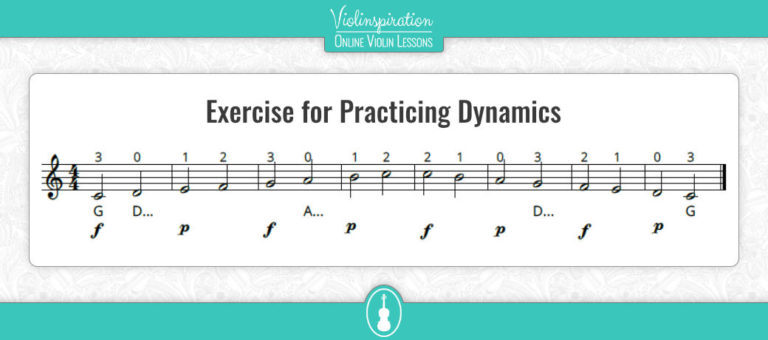
- Dynamic Scales: Play scales at varying dynamic levels, such as piano (soft) to forte (loud). Begin with a simple scale and gradually increase the volume while maintaining a consistent tempo.
- Articulated Notes: Select a passage and practice playing each note with differing articulations and dynamics. For instance, play the first note softly, the second loudly, and alternate thereafter.
- Dynamic Crescendo and Decrescendo: Choose a short musical phrase and practice gradually increasing the volume (crescendo) followed by a decrease (decrescendo) over the same phrase. This will help in gaining control of volume changes.
- Use of the Pedal (for pianists): Experiment with the sustain pedal while playing different dynamics. Observe how it can either enhance or mask dynamic variations.
Improvisation Methods Emphasizing Dynamic Variation
Improvisation can be a powerful tool for exploring dynamics. To effectively incorporate dynamic variation during improvisation, musicians can utilize the following methods:
- Call and Response: Create a dynamic dialogue by playing a phrase softly and inviting a louder response. This back-and-forth can help to establish a dynamic conversation within the improvisation.
- Dynamic Themes: Improvise a theme that fluctuates in dynamics. Start with a soft theme, then repeat it with increasing dynamics to build intensity and interest.
- Silence as a Tool: Intentionally incorporate pauses or silence in your improvisation. The contrast between sound and silence can amplify dynamics and create tension.
- Accent Placement: While improvising, practice placing accents on unexpected beats or notes. This unpredictability can enhance the dynamic interest of your performance.
Composing a Short Piece Focusing on Dynamics
Composing a piece with a clear emphasis on dynamics allows musicians to apply their understanding creatively. Below is a step-by-step guide to composing such a piece:
- Theme Development: Start by creating a simple melody that can be played at different dynamic levels. Ensure the melody has natural points where dynamics can shift.
- Dynamic Markings: Notate dynamic markings (piano, mezzo-piano, forte, etc.) throughout your composition. Consider where you want to build intensity and where softer moments are needed.
- Contrast in Sections: Divide the piece into sections that contrast in dynamics. For example, one section can be soft and lyrical, while another can be bold and powerful.
- Feedback and Refinement: Play through the piece and make adjustments based on how the dynamics feel in practice. Record your performance to identify areas for improvement.
“The power of dynamics lies in its ability to evoke emotion and draw listeners into the musical narrative.”
Final Wrap-Up
In conclusion, the significance of dynamics in music composition is undeniably profound, as it serves as a bridge between technicality and emotional expression. By mastering the art of dynamics, musicians can create pieces that not only capture attention but also evoke lasting memories in their listeners. As you continue to experiment and incorporate dynamic contrasts, your music will undoubtedly evolve into a more engaging and memorable experience for everyone.