How to Use a Slide for Blues Guitar opens a window into the soulful world of slide guitar, a technique that has shaped the sound of blues music for generations. This art form not only adds a distinctive voice to the guitar but also carries a rich history, influenced by legendary artists who have masterfully utilized slides to convey deep emotion and storytelling.
As we delve into this topic, we will explore the various types of slides, essential techniques for beginners, and advanced methods that can elevate your playing. Understanding the significance of slide guitar in blues and the numerous materials and techniques involved is crucial for any aspiring guitarist looking to expand their musical vocabulary.
Introduction to Slide Guitar in Blues
The slide guitar technique holds a revered place in the realm of blues music, encapsulating the genre’s emotional depth and expressive capabilities. The use of a slide allows guitarists to create smooth glissandos and haunting tones that resonate deeply with listeners, serving as a bridge between the instrument and the raw feelings conveyed through the music. This technique has become synonymous with the blues, adding a distinctive character that enhances the overall sound.Historically, slide guitar has evolved from its roots in African musical traditions, where similar techniques can be observed.
As blues music emerged in the early 20th century, particularly in the Mississippi Delta, musicians began to adopt bottleneck slides made from glass, metal, or ceramics. These materials enabled players to achieve a unique sound that became integral to the blues style. Over the decades, slide guitar has been shaped by cultural influences and technological advancements, allowing for the development of various techniques and styles.
Key Artists Known for Their Slide Guitar Playing
Numerous artists have mastered the art of slide guitar, each contributing to its legacy in unique ways. These musicians not only popularized the technique but also expanded its application within blues music.
- Robert Johnson is often cited as one of the most influential figures in blues history. His innovative slide techniques and haunting melodies have left a lasting impression on generations of guitarists.
- Elmore James, known as the “King of the Slide Guitar,” brought slide playing to the forefront of electric blues. His song “Dust My Broom” is a quintessential example of how slide guitar can drive a powerful narrative.
- Derek Trucks represents a modern incarnation of slide guitar mastery. His work spans genres, but his blues roots are evident in his expressive playing, characterized by fluidity and emotional depth.
- Bonnie Raitt has been a prominent force in popularizing slide guitar among a broader audience. Her distinctive sound blends blues with rock and folk, showcasing the versatility of the slide technique.
The contributions of these artists highlight the significance of slide guitar in shaping the sound and evolution of blues music. Their legacies continue to inspire new generations of musicians, solidifying the slide guitar’s place as an essential element of the genre.
Types of Slides
The choice of slide material and shape plays a significant role in shaping the tone and sound in blues guitar. Different materials and designs can create a wide variety of sonic textures, allowing guitarists to express their unique style and musicality. Understanding these aspects is essential for any aspiring slide guitarist looking to enhance their playing.The materials used for guitar slides include glass, metal, and ceramic, each with distinct characteristics that directly impact tone and sound.
The choice of slide material can influence not only the sound produced but also the technique employed while playing. In addition to material, slide shapes and sizes also affect the player’s technique and the resultant sound.
Materials Used for Guitar Slides
The choice of material for a guitar slide is crucial as it affects the tone, sustain, and overall sound quality. Here are the primary types of slide materials:
- Glass Slides: Known for their smooth and warm tone, glass slides provide a rich sustain and clarity. Their weight allows for precise control, making them a popular choice among blues guitarists.
- Metal Slides: Typically made from brass, steel, or chrome, metal slides produce a brighter and more aggressive tone. These slides can create a powerful sound that cuts through, especially useful in louder performances.
- Ceramic Slides: Ceramic slides offer a unique sound profile that sits between glass and metal. They tend to produce a warmer tone with a slightly muted attack, providing a different flavor for players seeking variety.
Impact of Slide Material on Tone and Sound
Different slide materials affect the tonal characteristics and playability. Understanding these impacts can help guitarists select the right slide for their needs:
- Warmth and Clarity: Glass slides are favored for their ability to produce a warm and clear sound, ideal for melodic playing. The smooth surface enables smooth transitions across the fretboard.
- Brightness: Metal slides create a bright, cutting tone. They are often used in more aggressive playing styles, where a sharper attack is desired. This can be particularly effective in rock and blues contexts.
- Unique Textures: Ceramic slides present a unique tonal quality, offering warmth with a subtle bite. This can be particularly effective in blues, where nuanced expression is key.
Shapes and Sizes of Slides
The shape and size of a slide can greatly influence a guitarist’s technique and the sound produced. Guitar slides come in various shapes and sizes, each offering unique benefits and impacts:
- Standard Slide: Typically cylindrical, standard slides offer versatility and are suitable for various playing styles. Their balanced design provides a comfortable grip.
- Short Slide: Shorter slides allow for greater finger dexterity and are beneficial for intricate finger work, particularly in blues fingerpicking styles.
- Thicker Slides: Thicker slides can enhance sustain but may require more strength to control, making them ideal for players who prefer a heavier touch.
- Curved Slides: Curved slides can provide unique tonal qualities and facilitate different slide techniques, such as playing harmonics or executing swells.
Basic Techniques for Using a Slide
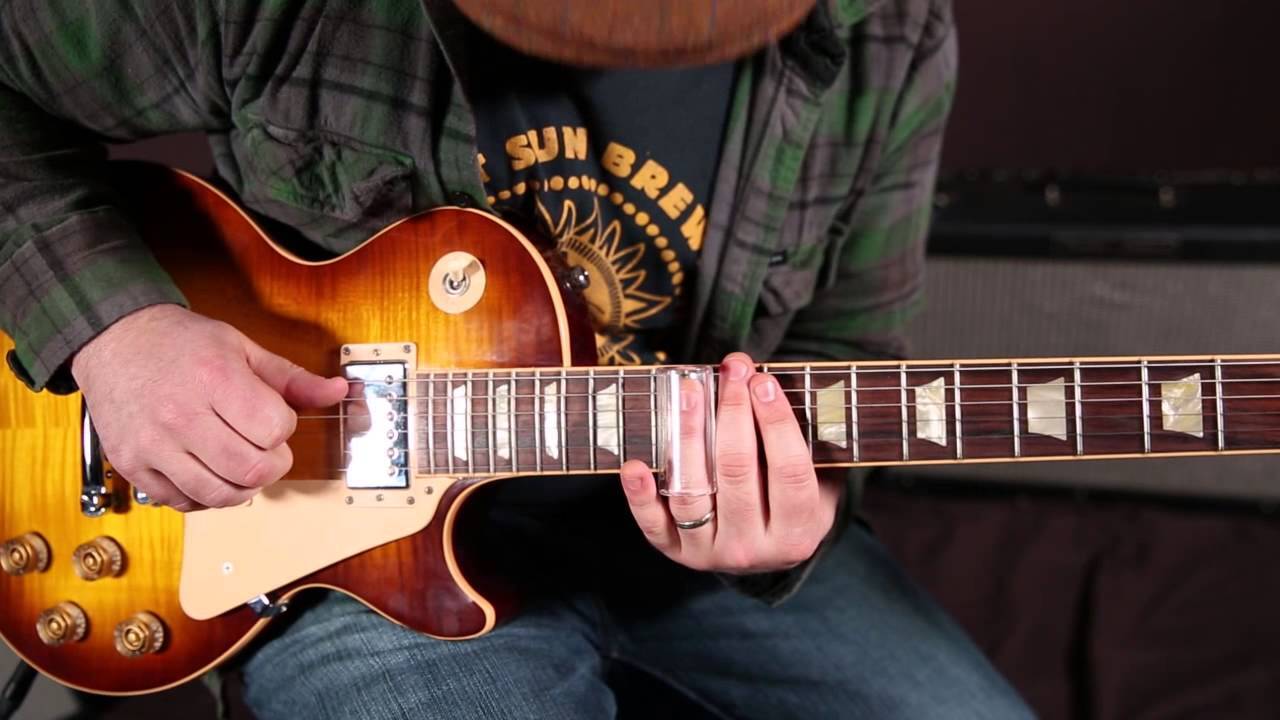
For any guitarist seeking to master slide guitar, understanding the fundamental techniques is essential. The slide, a simple yet powerful tool, can dramatically transform the sound of your playing when used correctly. This section will guide you through the critical aspects of holding a slide, finger positioning, and methods to achieve clean, resonant notes.
Proper Slide Holding Technique
Holding a slide correctly is the first step in ensuring effective slide playing. The slide can be made of various materials, including glass, metal, or ceramic, each offering a unique tonal quality. Here’s how to hold it:
1. Select the Right Finger
Choose the finger that feels most comfortable for your playing style. Most players opt for the ring or pinky finger, as they allow for more natural movement of the other fingers.
2. Position the Slide
Place the slide on your chosen finger, ensuring it fits snugly but is not too tight. The slide should cover your finger’s first knuckle.
3. Angle the Slide
Hold the slide parallel to the fretboard, aligning it with the strings you are playing. This positioning helps in producing clear notes.
4. Maintain Relaxation
Keep your hand relaxed, avoiding excessive tension in your fingers and wrist. This will allow for smoother transitions and greater control over the slide.
Finger Positioning for Effective Slide Playing
The positioning of your fingers is crucial for achieving a clean sound while playing with a slide. A proper technique involves both the slide finger and the fingers used to mute other strings. Consider the following points:
Muting Unwanted Strings
Use the fingers of your fretting hand to lightly touch the strings above the slide to prevent them from ringing out. This technique is essential for achieving clarity in your notes.
Fretting Without Pressure
When using the slide, avoid pressing down on the strings with your slide finger. Instead, glide over the strings smoothly, allowing the slide to do the work.
Experiment with Finger Angles
Slight adjustments in the angle of your slide can yield different tonal qualities. Try varying the angle to discover the nuances in your sound.
Methods for Achieving Clean Notes
To play cleanly with a slide, it is important to control both your slide technique and finger positioning effectively. Here are some methods to enhance your slide playing:
Practice Slow and Steady
Start at a slow tempo to ensure each note is clear and clean. Gradually increase your speed as you gain confidence.
Use Controlled Vibrato
Vibrato can add expression, but it requires control. Focus on achieving a slight oscillation of the slide; this will enhance your notes without creating unwanted noise.
Listen for Dissonance
Pay attention to the sound produced. If you hear unwanted notes or dissonance, adjust your finger positioning or slide technique accordingly.
Mastering these techniques will not only improve your slide playing but will also enhance your overall guitar skills.
Essential Scales and Phrases
The mastery of essential scales and phrases is critical for any blues guitarist, especially when incorporating slide techniques. Specific scales provide the foundation for improvisation and melody creation, while typical phrases and licks enrich the musical expression. Understanding how to effectively use bends and vibrato with a slide further enhances the emotional impact of the performance.The blues genre primarily utilizes a few key scales, which form the basis for most melodic lines played on slide guitar.
These scales not only create the characteristic sound of blues but also allow musicians to express their individuality through improvisation.
Common Scales Used in Blues Slide Guitar
Familiarity with essential scales is crucial for crafting authentic blues melodies. The following scales are widely used in blues slide guitar playing:
- Minor Pentatonic Scale: This is perhaps the most fundamental scale in blues music. It consists of five notes and is perfect for expressing sorrowful feelings, a hallmark of blues.
- Blues Scale: An extension of the minor pentatonic scale that adds a flat fifth (or “blue note”), giving it a distinctive flavor that is crucial for blues solos.
- Major Pentatonic Scale: This scale offers a brighter sound and can be effectively used for more uplifting sections of a blues piece.
- Mixolydian Mode: This mode adds a dominant seventh to the major scale, making it suitable for blues progressions.
Typical Phrases and Licks with Slide
Incorporating specific phrases and licks can significantly enhance slide guitar performances. Here are some examples of classic phrases that can be played using a slide:
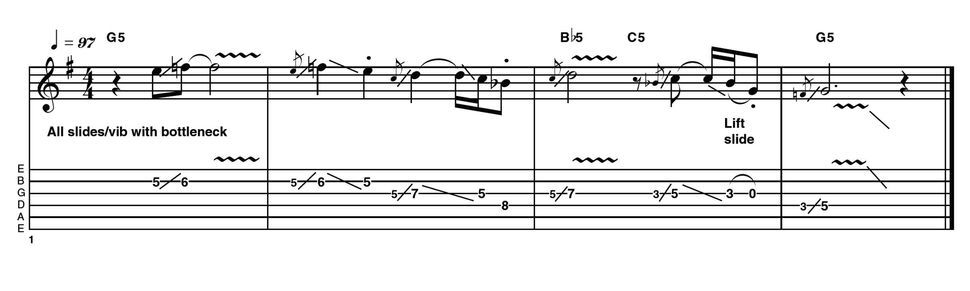
- Phrase 1: A slide from the 5th fret to the 7th fret on the 3rd string followed by a quick hammer-on from the open 2nd string to the 1st fret.
- Phrase 2: A descending lick starting from the 7th fret of the 1st string, sliding down to the 5th fret and then pulling off to an open string.
- Phrase 3: Combining the minor pentatonic scale with slides between the root notes, such as sliding from the 8th to the 10th fret on the 4th string while simultaneously bending the note on the 9th fret of the 3rd string.
Incorporating Bends and Vibrato with a Slide
Bending notes and adding vibrato are essential techniques that convey emotion in slide guitar playing. Bending notes allows for expressive playing, while vibrato adds depth and sustain. The following points illustrate how to effectively incorporate these techniques:
- Bending with a Slide: To bend a note with a slide, apply pressure on the slide while sliding to the target pitch. This technique is particularly effective when emphasizing key notes within a scale.
- Vibrato Technique: Achieve vibrato by subtly oscillating the slide back and forth over a note. This can be done by moving your wrist or fingers while keeping the slide firmly in place.
- Combining Both Techniques: For a profound musical effect, consider using a bend followed immediately by vibrato. For example, bend a note on the 7th fret of the 4th string, then apply vibrato to create a rich and expressive sound.
Tuning Techniques for Slide Guitar

In the realm of blues guitar, slide playing distinguishes itself not only through technique but also through tuning. The choice of tuning can dramatically influence the sound, tonal quality, and playability of the guitar, allowing musicians to convey a wide array of emotions. This section delves into the alternative tunings commonly utilized in blues slide guitar, the effects of these tunings on the overall sound, and a guide for setting up a guitar specifically for slide playing.
Alternative Tunings in Blues Slide Guitar
Alternative tunings are essential tools for slide guitarists, offering unique voicings and facilitating specific playing styles. The most prevalent tunings include Open D (D A D F# A D), Open G (D G D G B D), and Open E (E B E G# B E). Each of these tunings provides a distinct sonic character that complements the expressive nature of the blues.
- Open D Tuning: This tuning allows for rich, resonant chords and is favored for its ease of playing slide melodies. The open strings create a full, harmonic backdrop for vocal lines or improvisation.
- Open G Tuning: With a slightly higher pitch, Open G tuning produces a bright and vibrant sound. It is particularly useful for playing traditional blues rhythms and is favored by many legendary blues artists.
- Open E Tuning: Often utilized for its bright resonance, Open E tuning is effective for creating powerful slide solos. The tuning facilitates a strong melodic focus that is prominent in many blues pieces.
Impact of Tuning on Sound and Playability
The choice of tuning not only affects the tonal quality of the guitar but also influences how the player approaches the instrument. Alternative tunings can enhance the harmonic possibilities and allow for easier execution of certain techniques, especially those involving slides and bends.
- Resonance: Open tunings allow for increased resonance since the strings vibrate freely, producing a fuller sound that is crucial in blues music.
- Finger Placement: Certain tunings simplify finger placements for chords and scales, enabling smoother transitions and more fluid playing.
- Melodic Accessibility: Open tunings create opportunities for unique melodic lines as slide guitarists can easily access the notes on the fretboard, leading to more expressive performances.
Setting Up a Guitar for Slide Playing
Proper setup is vital for achieving optimal performance with slide guitar techniques. A well-prepared guitar enhances playability and sound quality, allowing slide players to maximize their expression.
1. String Gauge Selection
Using heavier gauge strings can contribute to a fuller sound and greater sustain. This is particularly beneficial in slide playing, as thicker strings withstand the pressure of the slide better.
2. Action Adjustment
The action of the guitar should be raised to avoid unwanted buzzing when playing slides. This adjustment allows the slide to glide smoothly over the strings without hindrance.
3. Nut and Saddle Considerations
The nut and saddle should be properly cut to accommodate the increased action. This ensures that the strings deliver optimal tone and intonation, especially when fretted and played with a slide.
4. Slide Material
The choice of slide material—whether glass, metal, or ceramic—affects the tone and sustain. Each type offers a different sonic quality, enabling players to choose based on their personal style.
5. Intonation Check
Proper intonation is crucial, as it ensures that the guitar is in tune along the entire fretboard. Regular checks help maintain the guitar’s performance and sound quality.
“Every tuning opens a new door to creativity and expression.”
Advanced Slide Techniques
Mastering slide guitar goes beyond the basics, allowing players to explore a range of advanced techniques that can elevate their musical expression. This section delves into harmonics, double stops, and the integration of fingerpicking with slide guitar, along with complex slide patterns and exercises to refine your skills.
Harmonics and Double Stops
Harmonics and double stops add richness and texture to slide guitar playing. Harmonics involve producing a clear, bell-like sound by lightly touching the string at specific points while plucking, creating ethereal notes that stand out in a mix. Double stops, on the other hand, involve playing two notes simultaneously, often leading to harmonically interesting sounds.To incorporate these techniques:
- For harmonics, lightly place your slide over the 5th, 7th, or 12th fret while picking the string. This creates a natural harmonic sound.
- For double stops, use the slide on one string while fretting another string with your finger. This can lead to powerful chord voicings or melodic interplay.
“Harmonics can add a surreal quality to your music, while double stops provide a fuller sound that enriches your melodies.”
Incorporation of Fingerpicking
Combining fingerpicking with slide guitar can enhance your playing by allowing for greater versatility and dynamic control. This technique enables the guitarist to create intricate patterns and rhythms that elevate the slide’s expressiveness.To effectively blend fingerpicking with slide techniques:
- Utilize your thumb for bass notes while the slide handles the melody on higher strings. This approach creates a rich, layered sound.
- Practice simple fingerpicking patterns, gradually introducing the slide to play melody lines over the picked notes. This will help develop coordination between your picking hand and slide hand.
Complex Slide Patterns and Exercises
Developing complex slide patterns is vital for advancing your skills. Such patterns can challenge both your technique and creativity, allowing for unique musical expressions. Consider the following exercises to refine your slide technique:
- Practice sliding between notes on the same string, focusing on a smooth transition. Start slowly and increase speed as you become comfortable.
- Experiment with varying your slide pressure to create different tonalities. This can be particularly effective in blues, where subtle nuances matter.
- Create a simple melody using a combination of slides, bends, and hammer-ons. This will help solidify your control and precision with the slide.
“Regular practice of these advanced techniques will broaden your slide guitar capabilities, allowing you to express a wider range of emotions through your music.”
Practice Tips for Improvement

To truly excel in slide guitar, a structured practice routine is essential. This ensures that you develop the necessary skills and refine your technique over time. By focusing on key areas such as technique, timing, and musicality, you can enhance your proficiency and expressiveness while playing.A well-rounded practice routine should incorporate various elements that target specific skills while allowing for personal exploration and creativity.
The following sections Artikel some valuable tips for structuring your practice sessions effectively.
Structured Practice Routine
Creating a structured practice routine can dramatically improve your slide guitar skills. It is crucial to allocate time for different aspects of your playing. Here is a proposed structure:
- Warm-Up (10 minutes): Begin with basic finger exercises and scales to get your fingers accustomed to the fretboard.
- Slide Technique (15 minutes): Focus on specific techniques such as vibrato, slides, and harmonics using the slide.
- Essential Scales (15 minutes): Practice the major and minor pentatonic scales, emphasizing smooth transitions and control.
- Phrase Development (15 minutes): Work on improvising phrases within these scales, incorporating the slide effectively.
- Song Application (20 minutes): Choose songs that utilize slide guitar and practice playing along, focusing on timing and expression.
- Cool Down (5 minutes): End your practice with a reflective session, playing freely to solidify your musical ideas.
Common Mistakes and Corrections
Identifying and correcting common mistakes is an integral part of the learning process in slide guitar. Here are some frequent pitfalls and suggestions for improvement:
- Incorrect Slide Positioning: Ensure the slide is placed directly over the intended fret. Practice playing notes and chords while maintaining proper slide placement.
- Excessive Pressure: Using too much pressure can produce a harsh sound. Aim for a light touch, allowing the slide to glide smoothly over the strings.
- Inconsistent Timing: Maintaining steady timing is essential for musicality. Use a metronome to practice playing in time, gradually increasing speed as you become more comfortable.
- Lack of Vibrato: Vibrato adds expressiveness to your slide playing. Practice incorporating vibrato into sustained notes to enhance their emotional impact.
Resources for Further Learning
To continue improving your slide guitar skills, utilize various resources for further learning and inspiration. These may include:
- Online Courses: Websites such as TrueFire and JamPlay offer structured courses specifically for slide guitar.
- YouTube Tutorials: Many guitarists share valuable insights and techniques through video tutorials that can enhance your understanding of slide guitar.
- Books: Consider reading instructional books on slide guitar, such as “The Art of Slide Guitar” by John Sebastian, which provides foundational techniques and exercises.
- Community Forums: Engage with other musicians on platforms like The Gear Page and Reddit’s guitar communities to exchange tips, techniques, and experiences.
“Practice does not make perfect. Only perfect practice makes perfect.”
Vince Lombardi
Incorporating Slide Guitar into Songwriting

Utilizing slide guitar in songwriting allows musicians to explore a unique sound that is both expressive and emotive. The incorporation of slide guitar can add depth and character to original compositions, enabling songwriters to convey distinct feelings and themes that resonate with listeners. This section discusses methods to effectively integrate slide guitar into your songwriting process, highlights classic blues songs where slide guitar takes center stage, and encourages experimentation across different musical genres.
Methods for Using Slide Guitar in Original Compositions
Integrating slide guitar into your original compositions can be achieved through various methods that enhance the overall musicality of the piece. One effective approach is to establish a strong melodic line that can be enhanced by the nuances of slide playing. Here are some methods to consider:
- Create a Call-and-Response Structure: Use the slide guitar to respond to vocal lines or other instruments, creating a dialogue within the song.
- Emphasize Emotion with Dynamics: Utilize varying degrees of pressure and speed with the slide to evoke specific emotions, allowing the guitar to complement lyrical content.
- Experiment with Different Tunings: Tunings such as open G or open D not only simplify chord voicings but also create rich harmonic textures that can inspire melodic ideas.
- Incorporate Rhythm with Slide Techniques: Use slides to accentuate rhythmic patterns within your song, blending melody with groove for a cohesive sound.
- Layering Slide Parts: Consider layering multiple slide guitar tracks, each with different effects or techniques, to create a fuller, more complex sound.
Classic Blues Songs Featuring Slide Guitar
The significance of slide guitar in blues cannot be overstated, with numerous classic songs showcasing its power and beauty. Here are notable examples where slide guitar plays a crucial role:
- “Sweet Home Chicago” by Robert Johnson: This iconic blues track highlights Johnson’s masterful slide techniques, contributing to its timeless appeal.
- “Statesboro Blues” by Blind Willie McTell: The slide guitar work in this song adds a distinct urgency and emotion that has influenced countless musicians.
- “In My Time of Dying” by Blind Willie Johnson: The haunting slide guitar riffs in this piece offer a profound sense of longing and spirituality, embodying the essence of the blues.
- “Dust My Broom” by Elmore James: Known for its signature riff, James’ use of slide guitar became a defining characteristic of the electric blues sound.
- “Crossroads” by Cream (Eric Clapton’s interpretation): While originally a Robert Johnson song, Clapton’s rendition showcases his innovative slide guitar work, blending traditional blues with rock elements.
Experimenting with Slide Guitar in Different Musical Genres
Slide guitar is not confined to the blues genre; its versatility allows it to thrive in various musical styles. Experimentation can lead to exciting new sounds and songwriting opportunities. Consider the following examples of genres where slide guitar can be effectively incorporated:
- Rock: The raw power of slide guitar can complement heavy guitar riffs and solos, adding a layer of expressiveness that enhances the overall sound. Artists like Derek Trucks have successfully integrated slide into rock music.
- Country: In country music, slide guitar can evoke feelings of nostalgia and heartache. The use of pedal steel guitars often mimics slide techniques, creating a familiar sound that resonates with listeners.
- Folk: Slide guitar in folk can add a rustic charm to acoustic compositions, providing a way to tell stories through music. The simplicity of folk melodies can be beautifully accentuated with slide embellishments.
- Jazz: Jazz musicians can employ slide guitar for improvisation, exploring complex harmonies and rhythms. The fluidity of slide allows for expressive phrasing that fits well within jazz contexts.
- World Music: Various world music genres, like Indian classical music, utilize slide techniques through instruments such as the sitar. Integrating slide guitar can create a cross-cultural fusion that expands musical boundaries.
Performance Tips for Slide Guitar
Incorporating slide guitar into live performances adds a distinctive and expressive element that can captivate audiences. Mastering stage presence and audience engagement is essential for maximizing the impact of your slide guitar performance. This section will explore effective strategies to enhance your live performances, including techniques to adapt your playing style in front of an audience and key equipment considerations.
Stage Presence and Audience Engagement
Engaging with the audience is crucial during a live performance. A strong stage presence not only showcases your talent but also helps build a connection with the listeners. Here are a few strategies to enhance your stage presence:
- Eye Contact: Make eye contact with your audience to create a personal connection. This can make listeners feel more involved in your performance.
- Body Language: Use open and confident body language. Avoid crossing your arms or turning away from the audience, as this can create a barrier between you and the listeners.
- Movement: Incorporate movement on stage. This could involve stepping forward during solos or moving around to engage different sections of the audience.
- Facial Expressions: Use facial expressions to convey the emotions of the music. Showing joy, intensity, or passion can draw the audience into the performance.
Adapting Slide Guitar Playing in Live Settings
Performing live often requires adjustments to your slide guitar technique. Here are vital considerations to ensure your performance resonates:
- Volume Control: Be aware of your volume levels. Live settings can amplify sound differently than in a practice space; adjust your slide technique to maintain clarity without overpowering the mix.
- Dynamic Playing: Vary your playing dynamics. Emphasize soft passages to create contrast with louder sections, enhancing the emotional journey of the performance.
- Simplified Arrangements: When performing live, consider simplifying complex arrangements. This allows for more focus on your slide technique and audience engagement rather than getting lost in intricate parts.
- Use of Call and Response: Engage the audience with call-and-response techniques. This can involve leaving space for audience participation, enhancing the communal aspect of your performance.
Equipment Considerations for Performance
The right equipment can significantly influence your slide guitar sound during live performances. Below are essential considerations for optimizing your gear:
- Amplifiers: Choose an amplifier that complements your slide tone. Tube amps are often preferred for their warm, dynamic sound, which can enhance the expressive qualities of slide guitar.
- Effects Pedals: Utilize effects pedals to shape your sound. Reverb and delay can add depth, while overdrive can create a gritty edge ideal for blues. Experiment with different combinations to find what works best for your style.
- Slide Selection: The type of slide you use can affect your tone and playability. Glass slides provide a smoother tone, while metal slides can produce a brighter, more cutting sound. Consider having a variety of slides on hand to switch between during performances.
- Cables and Connections: Invest in high-quality cables to minimize signal loss and interference. Proper connections ensure clarity and reliability, which are crucial in a live setting.
“A well-prepared performance combines technical skill with emotional expression, creating a memorable experience for the audience.”
Final Wrap-Up
In conclusion, mastering the slide guitar opens up a plethora of creative avenues for expression within the blues genre and beyond. By integrating the techniques discussed, from tuning to advanced playing methods, guitarists can enrich their performances and songwriting. Embrace the journey of slide guitar, and let the soulful sounds resonate through your music, capturing the essence of blues.