How to Use a Capo to Change a Song’s Key is an essential guide for musicians seeking to explore the versatility of their instrument. A capo is not merely a tool; it is a gateway to altering the sound and key of the music you play, allowing for greater creativity and expression. With various types of capos available and a deeper understanding of how they influence song keys, players can elevate their performances and find their unique musical voice.
This discussion will delve into the mechanics of a capo, how its placement affects pitch, and practical techniques for its effective use. From experimenting with different positions to enhancing songwriting, this guide aims to provide comprehensive insights that cater to both novice and seasoned guitarists alike.
Understanding the Capo
A capo is an essential tool for guitar players, designed to enhance an instrument’s versatility. Its primary function is to change the pitch of the guitar without altering the finger positioning of chords. This allows musicians to quickly adjust the key of a song, making it easier to match their vocal range or to create different tonal qualities.The purpose of a capo is to facilitate key changes while allowing guitarists to maintain familiar chord shapes.
By placing a capo on different frets, players can raise the pitch of their instrument. This is particularly beneficial for those who prefer the sound of open chords, which can be more difficult to achieve in certain keys without a capo.
Types of Capos
There are several types of capos, each designed to meet various needs and preferences of guitarists. Understanding these types can help players choose the most suitable option for their playing style.
- Trigger Capo: This type is the most common and is known for its ease of use. It features a spring mechanism that allows for quick placement and removal with one hand.
- Elastic Capo: Often made from stretchy materials, this capo is lightweight and portable but may require more precision when positioning on the fretboard.
- Screw Capo: This type allows for precise pressure adjustments using a screw mechanism, making it ideal for players who require consistent tuning and intonation.
- Capo for Banjo and Ukulele: Specifically designed for these instruments, these capos accommodate the unique neck shapes and string arrangements.
The various types of capos offer different levels of convenience and adaptability, which can significantly enhance a guitarist’s playing experience. Each type serves distinct purposes, and the right choice depends on the musician’s specific needs.
Benefits of Using a Capo
Incorporating a capo into a guitar player’s toolkit presents numerous advantages that can enrich their musical journey.
- Key Flexibility: A capo enables quick and effortless key changes, allowing players to adapt songs to their vocal range without needing to learn new chord shapes.
- Enhanced Sound: By utilizing a capo, guitarists can create bright, ringing tones that are characteristic of open strings, adding depth to their playing.
- Creative Freedom: Experimenting with different capo positions encourages creativity, inspiring musicians to explore new chord voicings and progressions.
- Accessibility: Beginners can benefit from a capo by simplifying chord shapes while they develop their skills, making it easier to play along with more complex songs.
Overall, using a capo not only expands a guitarist’s musical capabilities but also encourages exploration and experimentation within their playing style.
“A capo is not just a tool; it’s an invitation to discover new musical possibilities.”
How a Capo Affects Song Key
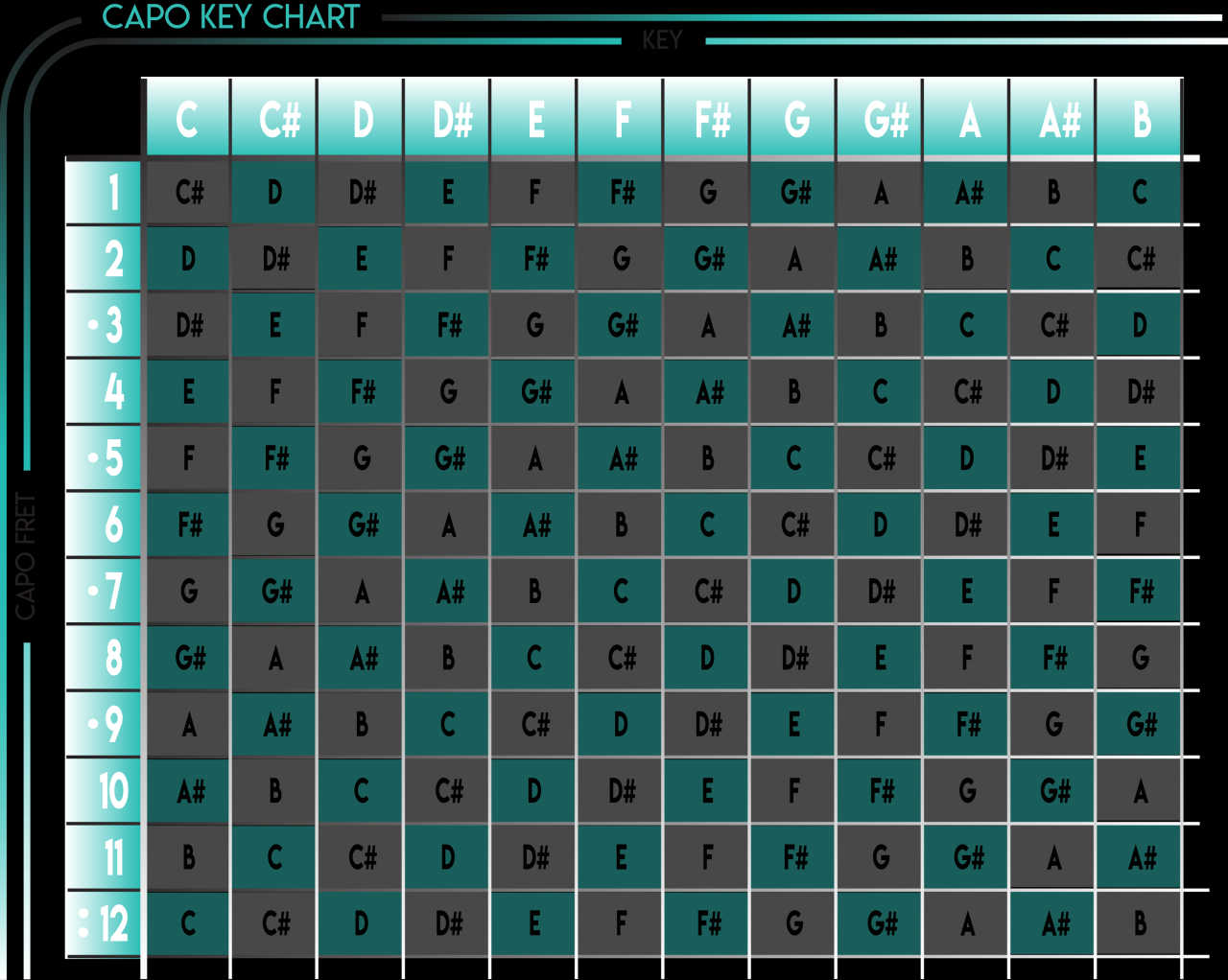
A capo is an essential tool for guitarists, allowing them to easily change the key of a song without needing to learn new chord shapes. Understanding how a capo affects song key is crucial for musicians seeking to adapt their playing to suit different vocal ranges or styles. This section delves into the impact of a capo on the pitch of chords and the relationship between the capo’s position and song keys.
Definition of Changing a Song’s Key
Changing a song’s key involves altering the pitch of the music, making it higher or lower while maintaining the structure and chord progression of the original composition. This process is vital for accommodating different vocal ranges or achieving a specific sound. A capo facilitates this adjustment by effectively shortening the length of the guitar strings at a particular fret, resulting in a change of pitch for the chords played.
Examples of How a Capo Changes Chord Pitch
To illustrate the effect of a capo on chord pitch, consider the following examples of common chord shapes:
- When a capo is placed on the second fret and the guitarist plays an open G chord, the resulting pitch is an A chord. This is because the capo raises the pitch of all strings by a whole step.
- If the capo is moved to the fourth fret and the guitarist plays an open C chord, the resultant pitch will be an E♭ chord, demonstrating a three half-step increase in pitch.
- By placing the capo on the fifth fret and playing a D chord, the chord translates to a G chord, indicating a perfect fourth interval rise.
Relationship Between Capo Position and Song Keys
The position of the capo directly influences the key of the song being performed. Each fret corresponds to a half-step increase in pitch, meaning that the further up the neck the capo is placed, the higher the key of the song becomes. Key relationships can be summarized as follows:
| Capo Position (Fret) | Chord Shape | Resulting Key |
|---|---|---|
| 0 (No Capo) | G | G |
| 2 | G | A |
| 4 | G | B |
| 5 | G | C |
| 7 | G | D |
The placement of the capo allows for easy transposition while maintaining the original finger positions, making it a valuable tool for guitarists of all levels.
Practical Steps to Use a Capo
Using a capo is a straightforward yet powerful technique that allows guitarists to change the key of a song without altering the finger positioning for chords. This not only simplifies playing in different keys but also enables musicians to adapt songs to their vocal range more easily. In this section, we will explore practical steps for effectively using a capo, as well as how to adjust your chord shapes accordingly.
Proper Placement of a Capo
Correctly placing the capo on the guitar is essential for achieving the desired sound and maintaining the instrument’s intonation. Follow these steps to ensure proper placement:
1. Select the Desired Fret
Determine which fret you want to place the capo on, based on the new key you wish to achieve.
2. Position the Capo
Open the capo and position it just behind the desired fret wire, rather than in the middle of the fret space. This ensures that the strings are pressed down firmly and evenly.
3. Secure the Capo
Close the capo firmly but avoid excessive force that could damage the guitar. It should hold the strings down without any buzzing when played.
4. Test the Sound
Strum the open strings and play a few chords to check for any buzzing. Adjust the capo slightly if necessary to achieve a clean sound.
Identifying New Chord Shapes with a Capo
When using a capo, it is essential to recognize how it alters the chord shapes. The capo effectively raises the pitch of the strings, which means you need to transpose your chord shapes to match the new key. Here are the steps to help identify these new chord shapes:
1. Learn the Original Chord
Start with the chord shape you are familiar with.
2. Count the Fret Distance
Count how many frets up the neck you have placed the capo, which indicates how many half steps the key has been raised.
3. Transpose the Chord
Use the capo’s position as the new “nut” of the guitar, and apply the same chord shape to find the new chord name.For example, if you place a capo on the second fret and play a G chord shape, the actual chord being played is A.
Common Chord Shapes and Their Capo Adjustments
Understanding common chord shapes and their adjustments when using a capo can greatly enhance your playing. The table below Artikels popular open chords and the corresponding chords when a capo is placed on various frets:
| Original Chord | Capo on 1st Fret | Capo on 2nd Fret | Capo on 3rd Fret |
|---|---|---|---|
| G | G# | A | A# |
| C | C# | D | D# |
| D | D# | E | F |
| A | A# | B | B# (C) |
| E | F | F# | G |
This table serves as a quick reference for guitarists to identify the new chord names as they use a capo on different frets. By familiarizing yourself with these adjustments, you will enhance your ability to play in various keys seamlessly.
“Using a capo not only changes the pitch but allows you to explore different voicings and textures in your music.”
Experimenting with Capo Positions
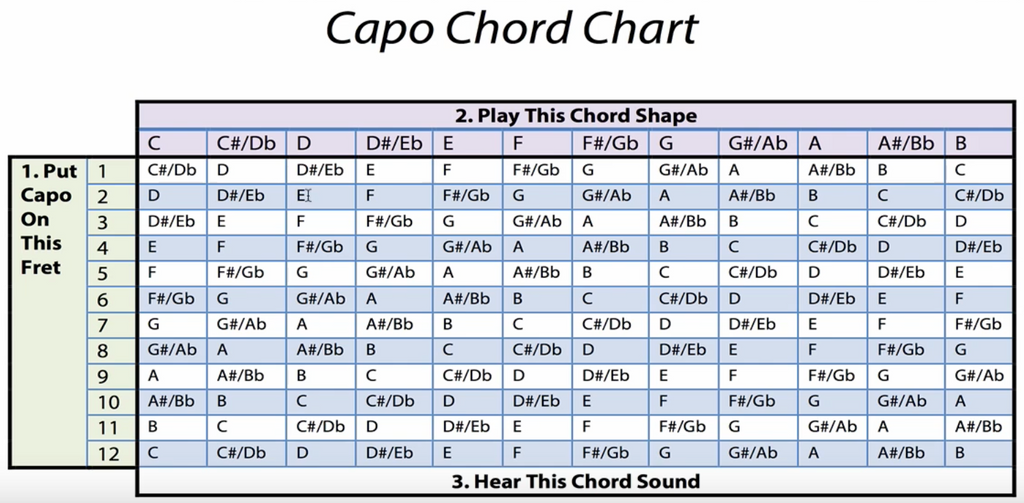
Exploring different capo placements can significantly enhance your playing experience and adapt your sound to various musical contexts. The versatility of a capo allows musicians to find the perfect fit for their vocal range while also enabling a fresh interpretation of familiar songs. This section delves into the methods for experimenting with capo positions and provides practical tips for making effective adjustments.
Process for Experimenting with Capo Placements
Experimenting with capo placements involves a systematic approach that can lead to discovering new musical possibilities. Follow these steps to effectively try out different capo positions:
1. Choose a Song
Select a song you want to experiment with. Familiarity with the melody and chords will aid in assessing the changes made by the capo.
2. Identify Original Key
Determine the original key of the song. This provides a baseline for your experimentation.
3. Select Capo Placement
Start by placing the capo on the 2nd fret and play the song. Take note of how the chords sound and whether they align with your vocal range.
4. Move the Capo
Gradually move the capo to different frets (3rd, 4th, and so on), playing through the song each time. Assess the tonal differences and how they affect the overall sound.
5. Record Observations
Keep a record of your impressions for each capo position. Note any specific chords that may sound richer or any vocal ranges that feel more comfortable.
6. Test with Other Instruments
If possible, play along with another instrument or recording to see how the capo adjustments blend with other sounds.
Playing Popular Songs in Various Keys
Utilizing a capo allows for easy transposition of popular songs into different keys without needing to re-learn the chord shapes. Below are a few well-known songs along with their original keys and suggested capo placements for alternate keys:
“Wonderwall” by Oasis
Originally in the key of Em, place the capo on the 2nd fret to play in F#m.
“Fast Car” by Tracy Chapman
Originally in the key of A, placing the capo on the 1st fret allows you to play it in A#.
“I’m Yours” by Jason Mraz
In the key of B, use the capo on the 4th fret to effectively play in C#.
“Hey There Delilah” by Plain White T’s
Originally in D, using the capo on the 2nd fret allows for an easier transition to E.
These examples illustrate how a capo can help achieve a more suitable key for both guitarists and vocalists alike.
Tips for Selecting the Right Capo Position for Vocal Range Adjustments
Finding the ideal capo position to suit your vocal range is crucial for optimal performance. Consider the following tips when making your selection:
Know Your Vocal Range
Have a clear understanding of your vocal range. This knowledge will guide you in selecting a key that complements your voice.
Test the Comfort Level
Attempt singing the melody in various keys by moving the capo. Ensure that the range feels comfortable and does not strain your voice.
Listen for Clarity
Pay attention to how the chords resonate with your vocal delivery. Clearer sound and easier transitions often indicate a better-fit capo position.
Experiment with Half Steps
If the original key is too low or too high, adjust the capo in half-step increments to find a key that feels just right.
Utilize Capo Charts
Reference capo charts that illustrate chord transpositions when moving the capo. These guides can help visualize how each position affects the key.
By actively experimenting with capo placements and considering vocal adjustments, musicians can enhance their repertoire and find new interpretations of their favorite songs.
Capo and Songwriting
Using a capo can significantly enhance the songwriting process by offering new perspectives on chord progressions and melodies. The versatility of the capo allows songwriters to explore different keys while maintaining familiar chord shapes. This can lead to fresh ideas and creative breakthroughs, making the songwriting experience more enjoyable and productive.Incorporating a capo into your songwriting routine can inspire creativity.
By changing the key of a song, you may discover unexpected vocal ranges, unique chord voicings, and different emotional resonances. This can help to break through creative blocks and encourage experimentation with chord progressions that might not have been considered otherwise.
Techniques for Using a Capo to Inspire Creativity
To utilize a capo effectively in songwriting, consider the following techniques:
Change the Key
Use a capo to change the key of your existing songs or pieces you are working on. This can unveil new melodic possibilities and provide a fresh take on your music.
Explore New Chord Voicings
By placing a capo at different frets, you can access various chord voicings that can lead to new harmonic ideas. For instance, using a capo on the second fret can transform standard open chords into more complex and intriguing shapes.
Combine with Alternate Tunings
A capo can be used in conjunction with alternate tunings to create a more unique sound. For example, tuning the guitar to DADGAD and then using a capo can yield beautiful, ethereal textures.
Experiment with Dynamics
When using a capo, you can play around with strumming patterns and fingerpicking techniques. This can add depth and variation to the songwriting process, allowing for dynamic contrasts within the piece.
Capture Different Moods
Each key has its distinct emotional quality. By shifting keys with a capo, you can easily transition from a bright and uplifting sound to a more somber and reflective tone, which can influence the song’s lyrical content.
Combining Capo Use with Different Chord Progressions
Chord progressions play a critical role in defining a song’s feel and emotion. Utilizing a capo can enhance various chord progressions, making them easier to play or leading to new creative paths. Below are common chord progressions that can benefit from capo use:
I-IV-V Progression
Moving the capo allows this classic progression to be played in different keys while maintaining its simplicity. For example, placing the capo on the second fret enables you to play the chords of A, D, and E, but in the key of B.
vi-IV-I-V Progression
By placing the capo on the fourth fret, you can play this popular progression in the key of B, using the chords of Em, C, G, and D. This is a common structure in many contemporary songs, as it creates a captivating emotional arc.
ii-V-I Progression
With a capo on the fifth fret, the ii-V-I progression can be played in the key of A. This is frequently used in jazz and pop music, providing a sophisticated harmonic movement.
Variations on Simple Progressions
By shifting the capo, you can experiment with minor variations on simple progressions. For instance, a I-vi-ii-V progression can be easily transformed into a I-IV-vi-iii by simply moving the capo.
List of Songs that Benefit from Capo Use
Many songs have been written with the use of a capo, showcasing its advantages for easier playing and unique sound. Below is a curated list of songs that exemplify the effective use of a capo:
“Wonderwall” by Oasis
The capo on the second fret allows for simple chord shapes while achieving a rich, full sound.
“Tears in Heaven” by Eric Clapton
Using a capo on the second fret makes this song accessible to guitarists, while maintaining its emotive quality.
“Fast Car” by Tracy Chapman
The capo on the second fret helps to create a distinct sound while simplifying the chord structure.
“Home” by Edward Sharpe & The Magnetic Zeros
A capo on the fourth fret allows for easy transitions between chords, enhancing the song’s uplifting vibe.
“Blackbird” by The Beatles
This classic employs a capo to produce unique chord voicings that are integral to the song’s character.Utilizing a capo effectively can not only simplify playing but also inspire new musical ideas, making it a valuable tool in the songwriting process.
Troubleshooting Common Issues
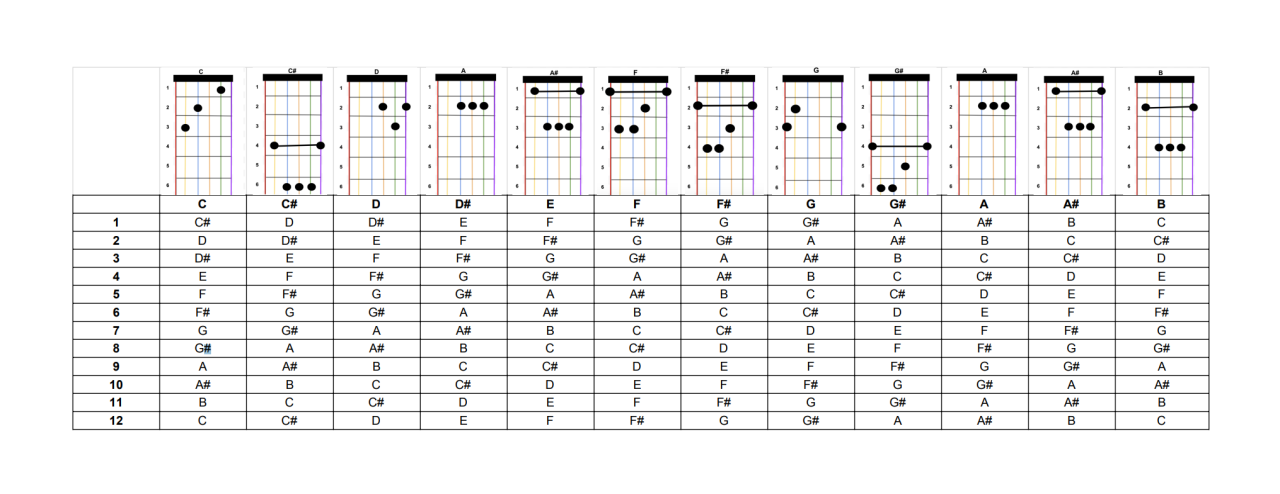
When utilizing a capo, musicians may encounter several common issues that can impede their playing experience. Understanding these challenges and their solutions can significantly enhance the effectiveness of the capo and improve overall sound quality. This section aims to elucidate frequent mistakes associated with capo usage, the effects of capo placement on tone, and methods for ensuring optimal tuning.
Common Mistakes and Solutions
Several mistakes are often made when using a capo, leading to undesirable outcomes. Being aware of these pitfalls can enhance performance quality.
- Improper Placement: Placing the capo too far from the fret can lead to buzzing strings. It is essential to position the capo just behind the fret for a clear tone.
- Using the Wrong Capo: Not all capos fit all guitars uniformly. Ensure that the capo you use is suitable for your guitar model to avoid tuning issues.
- Neglecting Tuning: Failing to retune after adjusting the capo can result in a disharmonic sound. Always check the tuning after placing the capo.
- Over-tightening the Capo: Applying excessive pressure can cause strings to go out of tune. Aim for just enough tension to hold the strings down without compromising their vibration.
Impact of Capo Placement on Tone and Sound Quality
The placement of the capo not only affects the pitch but also significantly impacts the tone and overall sound quality of the instrument. The following factors should be considered regarding capo placement:
- Fret Number: Different frets will produce varying tonal qualities. For example, a capo on the second fret may yield a brighter tone compared to one placed on the fifth fret.
- String Resonance: The position can influence how the strings resonate. A capo applied too high may dampen the natural resonance, leading to a less vibrant sound.
- Sound Projection: Capo placement may also affect how the sound projects, which can change the overall performance dynamic, especially in acoustic settings.
Ensuring Optimal Tuning
Maintaining optimal tuning when a capo is used is fundamental to achieving a pleasing sound. Adopting a few simple practices can safeguard tuning integrity.Consider the following methods to ensure your guitar remains in tune:
- Regularly Check Tuning: After placing the capo, promptly check your tuning. Minor adjustments may be needed to maintain harmonious sound.
- Invest in a Quality Capo: Quality capos offer better tension control and fit, reducing the likelihood of tuning issues.
- Use a Tuner: Employing a digital tuner during practice can help detect any discrepancies in tuning resulting from capo use.
- Stretch the Strings: After using a capo, gently stretching the strings can help stabilize them in their new positions.
“A well-placed capo can open up a world of creative possibilities while maintaining the integrity of your sound.”
Advanced Techniques with a Capo
Using a capo can extend beyond basic key changes and into more intricate techniques that enhance your guitar playing. In this section, we will explore advanced methods for employing a capo, including its application in alternate tunings and complex chord structures. Additionally, we will delve into unique fingerstyle techniques that leverage the capo’s capabilities, along with insights into renowned artists who have effectively utilized this tool in their music.
Using a Capo for Alternate Tunings and Advanced Chord Structures
A capo can facilitate the exploration of alternate tunings without the need to retune your guitar. This enables musicians to play in different styles while maintaining familiar chord shapes. Here are some ways to integrate a capo when experimenting with tunings and advanced chords:
- Open Tunings: By placing a capo on the second fret and tuning your guitar to an open D (D-A-D-F#-A-D), you can achieve a rich sound that resembles traditional folk styles. This allows for the use of simple chord shapes while still producing complex harmonics.
- Combining Capo with Barre Chords: If you place the capo on the fourth fret and perform a barre chord shape, the sound will be richer and more resonant. For example, playing an E major shape will result in an A major sound.
- Create Unique Voicings: Utilizing a capo can help create unique chord voicings. For instance, placing the capo on the fifth fret and playing a C shape will yield an F chord, providing new sonic possibilities for progression.
Incorporating a Capo into Fingerstyle Playing
The capo can add depth to fingerstyle playing by allowing access to higher voicings and more intricate melodic lines. Here are techniques to consider when incorporating a capo into your fingerstyle repertoire:
- Melodic Lines in Higher Registers: Placing a capo on the seventh fret opens up the higher registers of the guitar, allowing for intricate melodies to be played alongside chords. This technique is prevalent in pieces that require a bright, ringing sound.
- Chord Melodies: Use the capo to create chord melodies by placing it on the third fret. This enables you to play melodies on the higher strings while simultaneously using open chords on lower strings, producing a fuller sound.
- Combining Techniques: Explore combining fingerpicking with strumming while using the capo. For example, a capo at the fifth fret can allow for a fingerstyle pattern that transitions smoothly into strummed chords, enriching the overall texture of the piece.
Famous Artists Who Use Capos Extensively
Many renowned musicians have effectively used capos to enhance their songwriting and performance. Below are notable artists and how they have incorporated capos into their music:
- Bob Dylan: Frequently uses a capo to achieve unique tunings that complement his songwriting style, often placing it on various frets to shift the key while maintaining an open sound.
- Taylor Swift: Known for utilizing capos to create different vocal ranges and textures in her songs, allowing her to maintain ease while singing in various keys.
- Paul Simon: Employs a capo to access unusual chord voicings, enriching his fingerstyle technique and expanding his harmonic palette.
Summary
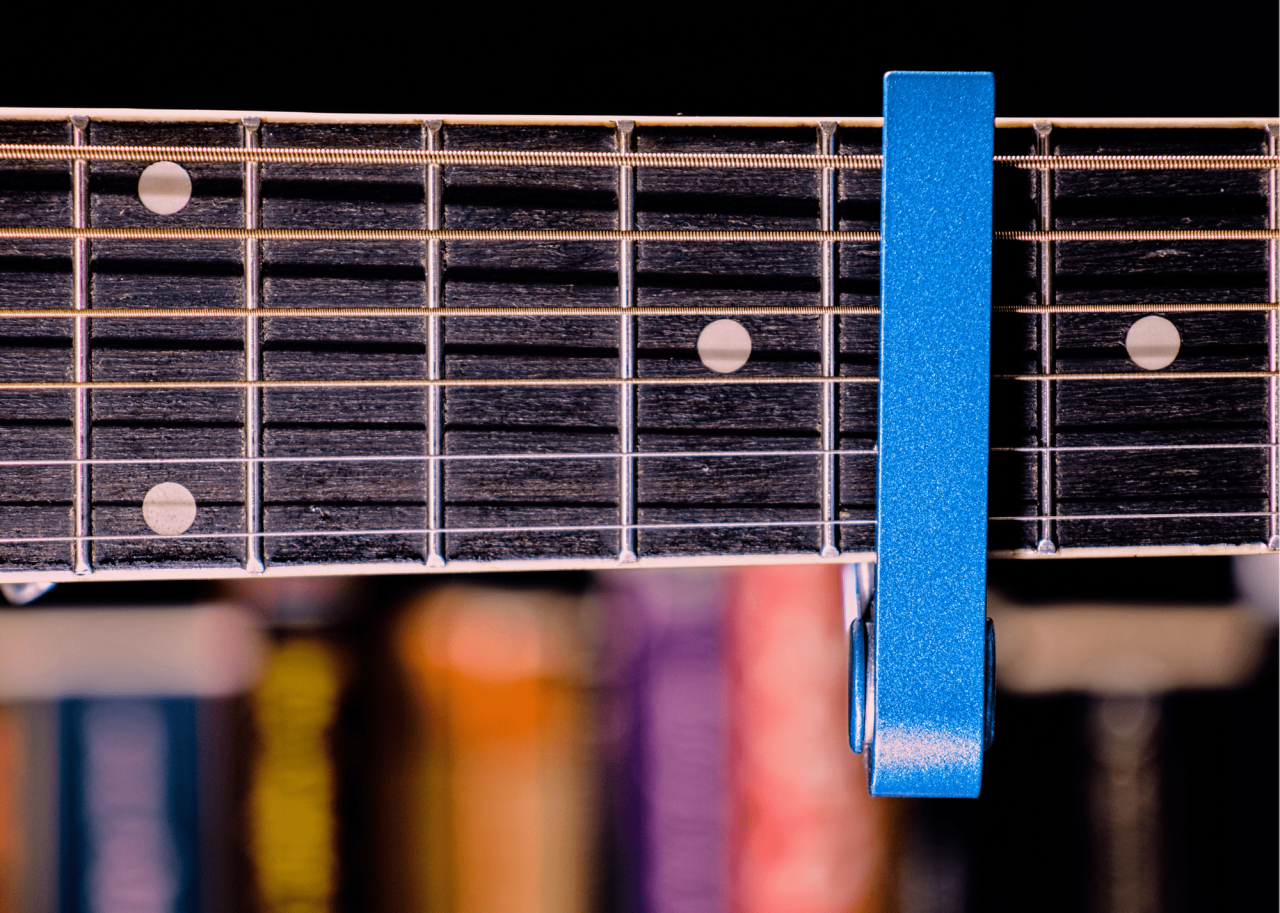
In summary, mastering the use of a capo can transform your musical experience, making it easier to adapt songs to your vocal range and inspire new creative ideas. By understanding the various techniques, troubleshooting common issues, and exploring advanced applications, you can enhance your playing and songwriting. Embrace the capo as a valuable resource, and unlock new dimensions in your music journey.