How to Strum a Guitar with a Consistent Rhythm serves as a gateway into the rhythmic world of guitar playing, where the heartbeat of music comes alive through skilled strumming. This guide invites both beginners and seasoned players to explore the vital role rhythm plays in enhancing musical expression, offering techniques and insights that can transform the way one approaches strumming.
In this comprehensive overview, we delve into the significance of rhythm in guitar strumming, examining various techniques, common pitfalls, and practical exercises designed to cultivate a steady hand and a keen sense of timing. Whether you wish to master basic patterns or explore advanced dynamics, this guide is structured to provide valuable knowledge for every aspiring guitarist.
Understanding Rhythm in Guitar Strumming

Rhythm is a fundamental aspect of music that shapes the way a song is perceived and performed. In guitar playing, achieving a consistent rhythm is crucial for creating a cohesive and engaging sound. It not only drives the music forward but also enhances the emotional impact of the performance. A well-executed strumming rhythm can make a simple chord progression come alive, while a poorly timed rhythm can detract from even the most complex compositions.The importance of rhythm in guitar strumming can be observed in various musical genres, from folk and rock to jazz and blues.
Each genre employs distinct rhythmic patterns that contribute to its unique feel. Understanding these patterns and how they influence the overall sound of a song is essential for any guitarist aiming to improve their playing.
Types of Rhythms in Guitar Strumming
There are several types of rhythms commonly used in guitar strumming that every guitarist should be familiar with. Each rhythm carries its own distinct feel and can significantly alter the character of a song. To grasp the diversity of strumming rhythms, consider the following categories:
- Four Beat Rhythm: This is one of the most fundamental rhythms, consisting of four evenly spaced beats per measure. It provides a steady foundation for many styles.
- Shuffle Rhythm: Characterized by a swing feel, this rhythm involves playing the first note of a pair longer than the second. It is widely used in blues and rock music.
- Sixteenth Note Rhythm: This rhythm divides each beat into four equal parts, allowing for faster strumming patterns. It is often found in upbeat pop and rock songs.
- Syncopated Rhythm: This rhythm features unexpected accents or off-beats, creating a dynamic and engaging feel. It is prevalent in jazz and funk genres.
Understanding these rhythmic patterns is essential for developing a well-rounded strumming technique. Each rhythm not only defines the tempo of the piece but also sets the emotional tone, making it a vital element of musical expression.
Impact of Rhythm on Song Feel
The rhythm employed in a song greatly influences its overall feel and emotional impact. A steady, driving rhythm can evoke feelings of excitement and energy, while a slower, more relaxed rhythm can create a sense of calm or introspection. The choice of rhythm affects not only the guitarist’s performance but also how listeners respond to the music.For example, consider a ballad played with a slow strumming pattern versus an upbeat rock anthem.
The former might generate a sense of nostalgia and tenderness, while the latter would likely inspire movement and enthusiasm. This illustrates how rhythm serves as a powerful tool for conveying emotions within music.
“The right rhythm can transform a simple chord progression into an unforgettable musical experience, making it essential for any guitarist to master.”
In summary, rhythm is a critical component of guitar strumming that shapes the way music is experienced. A deep understanding of various rhythmic patterns and their effects on a song’s feel allows guitarists to enhance their playing and communicate more effectively through their music.
Basic Strumming Techniques
Strumming is an essential skill for any guitarist, as it lays the foundation for playing songs and creating rhythm. Mastering basic strumming techniques not only enhances musicality but also builds confidence in playing the instrument. The following sections will detail fundamental strumming patterns, provide guidance on holding a guitar pick correctly, and offer examples for practicing basic downstrokes and upstrokes.
Fundamental Strumming Patterns
Understanding and practicing basic strumming patterns is crucial for beginners. These patterns create the rhythm that accompanies chords and melodies. Below are some fundamental strumming patterns commonly used in various musical genres:
- Downstroke Pattern: This pattern consists solely of downstrokes and provides a steady rhythm. It is often used in genres like rock and pop. Beginners should focus on striking the strings evenly and consistently.
- Upstroke Pattern: This involves strumming upwards, typically after a downstroke. It creates a more dynamic sound and is prevalent in folk and country music. Practicing upstrokes helps in developing a fluid motion in strumming.
- Down-Up Pattern: Combining downstrokes and upstrokes, this pattern creates a balanced rhythm. It is essential for playing many popular songs and adds variety to the strumming technique.
Correctly Holding a Guitar Pick
Proper grip of a guitar pick is vital for achieving the desired sound and control while strumming. Here is a step-by-step guide to holding a guitar pick correctly:
- Choose the right pick: Start with a medium gauge pick, as it offers a balance between stiffness and flexibility.
- Hold the pick between your thumb and index finger: Position the pick so that it is firmly but gently grasped by the pad of your index finger and the side of your thumb.
- Angle the pick slightly: The pick should be angled at about 45 degrees toward the strings to enable smooth strumming.
- Keep a relaxed grip: Avoid holding the pick too tightly, as this can hinder motion and create unwanted tension.
Practicing Basic Downstrokes and Upstrokes
To develop proficiency in strumming, it is important to practice downstrokes and upstrokes regularly. Here are some effective methods to practice these techniques:
“Consistent practice leads to muscle memory, allowing for smoother transitions in strumming patterns.”
- Downstrokes Practice: Start by strumming down on each beat of a metronome set at a slow tempo. Gradually increase the speed as you become more comfortable. Focus on maintaining a consistent volume and even rhythm.
- Upstrokes Practice: Similarly, practice strumming up on the off-beats. Use a metronome to maintain timing, and ensure that each upstroke is as clear as the downstrokes.
- Combining Both: Once comfortable with individual strokes, practice alternating downstrokes and upstrokes in a simple pattern (e.g., down, up, down, up) while keeping time with a metronome.
Developing Consistency in Strumming
Establishing a consistent strumming technique is crucial for any guitarist seeking to enhance their musical performance. A steady hand while strumming not only improves the quality of sound produced but also fosters a sense of rhythm that can elevate a player’s overall musicality. This section delves into effective methods and exercises that aid in developing a reliable strumming technique, as well as the importance of utilizing a metronome.
Methods to Develop a Steady Hand While Strumming
Achieving a consistent strumming motion requires both physical and mental practice. One effective method to ensure steadiness in strumming is to focus on the wrist and arm’s movement. Keeping a relaxed posture and allowing the wrist to move fluidly, without tensing up, will contribute to a smooth strumming action. Here are some methods to cultivate this steadiness:
- Slow Practice: Begin by strumming at a slower tempo. This allows for better control over the motion and helps to build muscle memory.
- Use of a Visual Metronome: Positioning a visual metronome in your line of sight reinforces timing as you strum along to a steady beat.
- Strumming Patterns Isolation: Isolate specific strumming patterns and practice them repeatedly, focusing on the consistency of your motion.
- Relaxation Techniques: Incorporate relaxation exercises before practice sessions to reduce tension in your hands and arms.
Exercises to Improve Timing and Consistency in Rhythm
To enhance timing and consistency in rhythm, engaging in dedicated exercises is essential. These exercises should be performed regularly to build and maintain a solid rhythmic foundation. Consider the following exercises:
- Down-Up Strumming: Practice alternating between downstrokes and upstrokes while counting aloud to maintain rhythm.
- Quarter Notes and Eighth Notes: Strum a simple chord while counting quarter notes and then transition to eighth notes, focusing on keeping a steady rhythm.
- Simple Chord Progressions: Strum through common chord progressions, such as G-C-D, using consistent strumming patterns to reinforce timing.
- Rhythm Clapping: Clap out various rhythmic patterns before translating them to strumming, helping to internalize the timing.
The Role of a Metronome in Achieving Consistent Strumming
A metronome serves as an invaluable tool for developing consistent strumming. Its primary function is to provide a steady pulse that aids musicians in maintaining a precise tempo. Utilizing a metronome allows guitarists to practice at various speeds and gradually increase their tempo as they gain confidence. To effectively incorporate a metronome into your strumming practice, follow these tips:
- Start Slow: Begin with a slower tempo to ensure accuracy in your strumming motion, gradually increasing the speed as you feel more comfortable.
- Use Different Time Signatures: Experiment with various time signatures to challenge your rhythmic abilities and enhance versatility.
- Set Goals: Aim to play along with the metronome for a specific duration each practice session to build endurance and consistency.
- Play Along with Songs: Once comfortable, use the metronome while playing along with your favorite songs to ensure the rhythm aligns with the musical context.
“Consistency in strumming is cultivated through disciplined practice, allowing the natural rhythm to flow seamlessly.”
Advanced Strumming Patterns
The exploration of advanced strumming patterns is essential for guitarists aiming to enhance their musical expression and creativity. These patterns allow for more intricate soundscapes and can significantly elevate a performance, making it more engaging and dynamic. By mastering these techniques, guitarists can tackle a wider array of musical genres and styles.Advanced strumming patterns often incorporate syncopation and complex rhythms, which can dramatically alter the feel and texture of a piece.
Implementing these techniques requires both practice and a keen understanding of timing. The following sections will introduce various advanced strumming patterns along with exercises designed to improve your timing and rhythmic precision.
Varied Advanced Strumming Patterns
This section covers several advanced strumming patterns that can be utilized in various musical contexts. Each pattern serves a unique purpose and can be adapted to fit different styles such as folk, rock, jazz, and more.
- Syncopated Strumming Pattern: This pattern emphasizes off-beats, creating a more dynamic feel. It can be notated as: Down, Up, Down (pause), Up, Down. This technique is commonly found in funk music.
- Calypso Strumming Pattern: Characterized by a steady rhythm that combines downstrokes and upstrokes, it is often represented as: Down, Down-Up, Up-Down-Up. This pattern brings a lively, tropical feel to songs.
- Clave Rhythm: Inspired by Afro-Cuban music, this pattern incorporates a combination of down and up strums with a specific focus on timing and accents. For instance: Down (1), Up (2), Down (3), Up (4&). This creates a distinctive rhythmic backbone.
- Triplet Strumming Pattern: This pattern introduces a division of beats into three equal parts, enhancing the groove. Notated as: Down, Down-Up, Up-Down, it allows for a swing-like feel that is often used in blues and jazz.
Exercises for Practicing Syncopation and Complex Rhythms
To develop proficiency in advanced strumming patterns, it is crucial to engage in targeted exercises that focus on syncopation and complex rhythms. The following exercises are designed to improve timing and precision:
1. Metronome Practice
Set a metronome to a slow tempo, and practice strumming each advanced pattern. Gradually increase the tempo as your confidence and accuracy improve.
2. Rhythmic Clapping
Clap out the rhythms of the advanced patterns before strumming on the guitar. This helps internalize the rhythm and enhance coordination.
3. Pattern Integration
Choose a simple song you know well and integrate one of the advanced strumming patterns into your performance. This creates a practical application for your practice.
4. Syncopated Strumming Challenge
Select a song that uses syncopation. Strum along, focusing on hitting the off-beats accurately.
Smooth Transitions Between Strumming Patterns
Being able to transition smoothly between different strumming patterns is a critical skill for any guitarist. The following tips can aid in achieving fluidity:
Practice Slowly
Begin by playing each strumming pattern at a slow tempo to ensure accuracy before increasing the speed. This helps build muscle memory and confidence.
Identify Commonalities
Look for patterns or movements that are similar between different strumming techniques. Familiarity with these can aid in quicker transitions.
Use Transitional Strums
Incorporate transitional strums, such as a single down or up strum, to bridge the gap between different patterns. This creates a smoother flow.
Record and Review
Record yourself practicing the transitions. Review the recordings to identify areas for improvement and adjust your technique accordingly.By embracing these advanced strumming patterns and incorporating the accompanying exercises and tips, guitarists can significantly expand their rhythmic vocabulary and enhance their overall playing ability.
Incorporating Dynamics in Strumming

The concept of dynamics plays a pivotal role in guitar strumming, enhancing musical expression and emotional impact. Dynamics refer to the variations in loudness and intensity of the sound produced by the instrument. By mastering dynamics, guitarists can create a more engaging and nuanced performance, captivating the listener’s attention and adding depth to their music.Understanding how to achieve dynamic strumming is essential for any guitarist seeking to elevate their playing.
This can be accomplished through various techniques, including adjusting the force applied to the strings during a strum and utilizing different parts of the pick or fingers. The ability to transition smoothly between soft and loud strumming not only enriches the musical piece but also showcases the performer’s skill and sensitivity.
Practicing Soft and Loud Strumming Techniques
To effectively incorporate dynamics into strumming, guitarists should practice specific exercises that focus on varying their volume levels. Below are methods to develop soft and loud strumming techniques.Begin with basic exercises that emphasize control over volume. For example, practice strumming a simple chord progression while gradually increasing and decreasing the intensity of your strumming. This exercise will help in recognizing how subtle changes in strumming force can impact the overall sound.
- Controlled Strumming: Choose a chord, such as G major, and strum it using a metronome set to a slow tempo. Start with very light strums, focusing on clarity and precision. Gradually increase the strumming force while maintaining rhythmic accuracy, then decrease it again. Repeat this process several times.
- Accent Patterns: Strum a basic down-up pattern while accentuating certain beats. For instance, emphasize the down strum on the first beat and keep the other strums lighter. This will create a dynamic contrast within the rhythm, enhancing the overall feel of the piece.
- Volume Swells: Using a single chord, practice doing volume swells by starting with a soft strum and gradually building to a loud strum. This can be done by slowly increasing the strumming force over a few beats, creating a wave-like effect.
Songs often serve as excellent examples of dynamic strumming variations, showcasing how dynamics can transform a musical piece. For instance, “Blackbird” by The Beatles features soft, delicate strumming patterns that convey a sense of intimacy, while “Smells Like Teen Spirit” by Nirvana utilizes aggressive strumming to express raw energy and intensity. These contrasts highlight how dynamics can be effectively incorporated into various musical styles, allowing each song to resonate differently with the audience.By practicing these techniques and analyzing dynamic variations in popular songs, guitarists can develop a more expressive and captivating strumming style that truly reflects their musical artistry.
Common Mistakes in Strumming
Strumming is a fundamental skill for any guitarist, yet many encounter challenges that hinder their progress. Recognizing and addressing common mistakes is essential for achieving a consistent and pleasing rhythm. Focusing on these aspects not only enhances performance but also fosters a more enjoyable playing experience.One frequent error among guitarists is the tendency to strum too hard or too lightly, causing an imbalance in the sound produced.
Another common mistake is an inconsistent strumming motion, which can lead to uneven rhythm and timing. Additionally, failing to maintain a steady tempo can create a disjointed feel in the music. These mistakes often stem from a lack of practice or insufficient understanding of rhythm.
Identifying Strumming Mistakes
To effectively address common strumming mistakes, it is vital to understand the following points:
- Over-exerting force: Strumming too aggressively can result in an uncontrolled sound. It is crucial to find a balance that allows for expressive dynamics without sacrificing clarity.
- Inconsistent motion: A fluctuating strumming pattern can disrupt the flow of music. Regular practice with a metronome can help internalize a consistent strumming rhythm.
- Ignoring rhythm: Many guitarists overlook the importance of tempo when strumming. Using a drum machine or backing track can provide rhythmic support and help maintain a steady pace.
- Neglecting feedback: Practicing without listening to one’s sound can lead to unnoticed mistakes. Recording practice sessions and listening back can provide insights into areas needing improvement.
Overcoming Strumming Challenges
Addressing strumming challenges requires focused practice and awareness. The following strategies can help guitarists improve their strumming technique:
- Utilizing visual aids: Observing videos of proficient guitarists can provide valuable insight into proper strumming techniques and patterns. Pay attention to their hand positioning and rhythm.
- Implementing slow practice: Slowing down the strumming speed allows for careful analysis of each motion, ensuring accuracy in form and timing. Gradually increasing speed can then develop fluidity.
- Feedback from peers or instructors: Engaging with other musicians or a guitar teacher can provide constructive criticism, pinpointing specific areas for improvement and offering tailored solutions.
- Incorporating metronome practice: Regularly practicing with a metronome enhances timing and reinforces the importance of rhythm, helping to develop a consistent strumming pattern.
Significance of Feedback in Practice
Feedback is an integral part of developing effective strumming techniques. Constructive criticism can illuminate overlooked mistakes and reinforce positive habits. Engaging in regular assessments of one’s playing provides a clearer picture of progress and areas for refinement.
“Consistent and informed feedback is the cornerstone of improvement in any musical endeavor.”
When practicing strumming patterns, it is beneficial to involve peers or instructors who can provide insights that may not be apparent during self-assessment. Recording oneself offers an objective view of the performance, allowing for self-evaluation and adjustment. This iterative process of feedback and refinement is crucial for mastering strumming consistency and rhythm.
Practicing Strumming with Songs
Practicing strumming techniques with songs is an effective way to apply what you have learned in a musical context. This method not only enhances your skills but also keeps your practice sessions engaging and enjoyable. By working with familiar melodies, you can focus on rhythm and consistency while gradually improving your overall guitar playing.When approaching songs for strumming practice, it’s beneficial to break them down into manageable sections.
This allows you to focus on specific parts of the song, ensuring that you grasp the rhythm and transition smoothly between chords. Analyzing songs in segments makes complex pieces more approachable and helps build your confidence as you progress.
Beginner-Friendly Songs for Strumming Practice
Selecting beginner-friendly songs is crucial for building a solid foundation in strumming. Here is a curated list of songs that are ideal for practicing various strumming techniques:
- “Wonderwall” by Oasis
- “Horse with No Name” by America
- “Three Little Birds” by Bob Marley
- “Knockin’ on Heaven’s Door” by Bob Dylan
- “I’m Yours” by Jason Mraz
- “Smoke on the Water” by Deep Purple
- “Sweet Home Alabama” by Lynyrd Skynyrd
These songs typically utilize simple chord progressions and straightforward strumming patterns, allowing you to focus on rhythm and timing.
Breaking Down Songs into Manageable Sections
To effectively practice strumming with songs, breaking them down into smaller sections is essential. Focus on the following steps:
1. Identify the Structure
Analyze the song’s structure, noting verses, choruses, and bridges. Understanding the layout helps you concentrate on one section at a time.
2. Isolate Chord Changes
Practice the chord transitions in isolation before attempting to strum along. This will aid in developing muscle memory and fluidity.
3. Start Slow
Begin by strumming at a slower tempo, gradually increasing the speed as you become more comfortable with the chords and rhythm.
4. Use a Metronome
Incorporating a metronome can help maintain a steady beat, crucial for developing consistent strumming.By segmenting the song and practicing these parts individually, you can master each component before combining them into the full song.
Using Backing Tracks for Enhanced Strumming Practice
Incorporating backing tracks into your practice routine can significantly enhance your strumming experience. Backing tracks simulate a live band environment, allowing you to play along with a rhythmic accompaniment. Here are some tips for effectively using backing tracks:
Select Appropriate Tracks
Choose backing tracks that match the tempo and key of the songs you are practicing. Many online platforms offer genre-specific tracks.
Focus on Timing
Playing along with a backing track helps you develop a stronger sense of timing and rhythm. Pay attention to how your strumming aligns with the track.
Experiment with Dynamics
Backing tracks provide an opportunity to practice varying your dynamics. Experiment with strumming softer or louder to see how it fits with the overall sound.
Record Yourself
Consider recording your session with backing tracks. Listening to your playback can reveal areas for improvement and track your progress over time.Incorporating these practices will not only improve your strumming skills but also make your practice sessions more enjoyable and musically rewarding.
Using Technology to Improve Strumming

The integration of technology into music practice has revolutionized the way guitarists can develop their skills, especially in strumming techniques. Various applications and software tools designed for musicians can enhance practice sessions, provide valuable feedback, and help learners explore new styles of strumming. By leveraging these technological resources, guitarists can achieve a more consistent rhythm and develop more advanced strumming patterns efficiently.
Apps and Software for Practicing Guitar Strumming
Numerous applications are available that cater specifically to guitarists seeking to improve their strumming skills. These tools often include features such as metronomes, instructional videos, and interactive play-along tracks. Some recommended applications include:
- Yousician: This app provides a gamified approach to learning guitar, featuring real-time feedback on strumming accuracy and timing.
- GuitarTuna: Although primarily a tuning app, it includes a metronome function that helps users practice strumming at various tempos.
- Strum Machine: This tool allows users to create backing tracks in different styles and tempos, enabling practice with customizable strumming patterns.
These applications not only assist in improving rhythm but also make practice sessions more engaging and enjoyable.
Using Recording Devices to Analyze Strumming Rhythm
Recording devices, whether digital voice recorders or smartphone applications, can be instrumental in refining strumming techniques. By recording practice sessions, guitarists can listen back to their strumming patterns and evaluate their consistency, timing, and dynamics. This self-analysis enables musicians to identify areas for improvement and track their progress over time.Important points to consider when using recording devices include:
- Choose a quiet environment: Ensure that background noise is minimized to accurately assess your strumming.
- Record multiple takes: This allows for comparison and helps identify improvements or recurring mistakes.
- Use headphones: Listening through headphones can provide a clearer sound, helping to discern subtle nuances in your playing.
By utilizing these techniques, guitarists can gain valuable insights into their play and make necessary adjustments to enhance their strumming.
Utilizing Online Resources for Learning New Strumming Patterns
The internet is a vast reservoir of learning materials for guitarists. Various websites, forums, and video platforms offer tutorials and resources focused on strumming patterns. Engaging with these online tools can broaden a guitarist’s repertoire and introduce them to diverse styles.Key online resources for learning strumming include:
- YouTube: A plethora of instructional videos exists, providing step-by-step guidance on various strumming techniques and patterns.
- Ultimate Guitar: This website features tabs and lessons that often include specific strumming patterns for popular songs.
- Guitar Zero to Hero: This platform offers comprehensive courses that cover both basic and advanced strumming techniques.
Online resources not only supply structured learning paths but also foster community engagement, allowing guitarists to share experiences and tips.
Final Wrap-Up
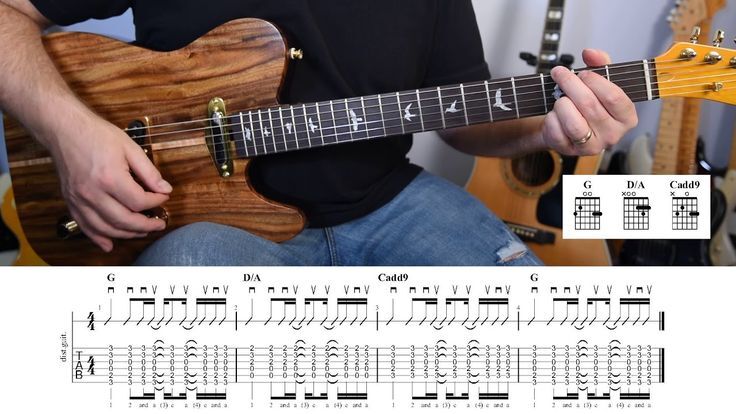
In conclusion, mastering the art of strumming a guitar with a consistent rhythm is an essential skill that enhances not only your playing but also your enjoyment of music. By applying the techniques and insights discussed, you can develop a stronger rhythmic foundation and explore the vast landscape of strumming patterns. Remember, practice and patience are key, and with dedication, you will find yourself strumming with confidence and flair.