How to Soundcheck Your Guitar Properly is a crucial skill for any guitarist aiming to deliver a flawless performance. A soundcheck is not just a formality; it is an essential process that sets the foundation for a successful live show. By understanding the nuances of soundchecking, musicians can ensure that their instruments resonate at their best while preventing potential audio pitfalls.
This comprehensive guide will cover the importance of soundchecking, the preparation required, and provide a step-by-step process to ensure that your guitar sounds flawless. With effective communication with sound engineers and practical techniques to troubleshoot common issues, you will be well-equipped to achieve the desired sound quality on stage.
Understanding the Importance of Soundchecking

Soundchecking is a crucial step in preparing for any live performance, as it establishes the foundation for the overall audio quality that the audience will experience. This process involves setting the levels, adjusting tone, and ensuring that all instruments and vocals blend harmoniously. Proper soundchecking not only enhances the listening experience but also prevents potential issues that can arise during a live event.The role of soundchecking extends beyond merely adjusting volume levels; it is about creating a balanced sound that showcases the best qualities of each instrument and vocal.
A thorough soundcheck allows the sound engineer and performers to identify and rectify issues such as feedback, imbalances, and unwanted noise. By dedicating time to this process, artists can ensure that their performance resonates with clarity and impact, ultimately leading to a more engaging experience for the audience.
Impact on Overall Sound Quality
The overall sound quality during a live performance is significantly influenced by the soundcheck. A well-executed soundcheck ensures that all frequencies are balanced and that each instrument occupies its own sonic space. This is vital for delivering a polished performance. Key aspects that affect sound quality during soundchecks include:
- Instrument Levels: Each instrument must be set to an appropriate level to avoid overpowering others, which can lead to muddiness in the mix.
- EQ Adjustments: Using equalization to cut or boost certain frequencies allows for clarity and definition, helping each element of the music stand out.
- Monitoring: Proper monitoring through stage monitors or in-ear systems ensures that performers can hear themselves and each other, leading to more cohesive performances.
- Environmental Acoustics: Evaluating the venue’s acoustics during soundcheck can help in making necessary adjustments to compensate for any challenging audio characteristics.
Inadequate soundchecks can lead to various problems that compromise the listening experience. A common issue is feedback, which occurs when the sound from speakers re-enters microphones, resulting in an unpleasant high-pitched whine. Furthermore, poorly balanced sound can cause certain instruments to be lost or overly pronounced, detracting from the overall harmony of the performance.
“A proper soundcheck can be the difference between a mediocre performance and an unforgettable one.”
In summary, understanding the importance of soundchecking is essential for achieving the best possible sound quality during live performances. By investing time and attention into this process, performers and sound engineers can prevent common pitfalls and create an engaging audio experience that captivates the audience.
Preparing for a Soundcheck

Before stepping onto the stage, thorough preparation is crucial for a successful soundcheck. The process not only involves setting up equipment but also ensuring that all necessary tools and resources are at hand. Proper preparation can significantly enhance the efficiency of the soundcheck, allowing musicians to focus on their performance rather than scrambling for equipment or information.An effective soundcheck requires specific equipment and tools, as well as a systematic approach to organizing tasks.
To facilitate this process, the following sections will Artikel necessary equipment, provide a checklist for musicians, and offer tips for effective communication with sound engineers.
Necessary Equipment and Tools for Soundcheck
Having the right equipment ready for a soundcheck is fundamental. This includes both sound-related gear and general performance essentials. Below is a list of items that should be prepared prior to soundcheck:
- Guitar(s) in playable condition
- Amplifier(s) suitable for the venue
- Guitar cables with no damage
- Tuner for accurate pitch
- Effects pedals, if applicable
- Microphone(s) for vocals or instruments
- Headphones or in-ear monitors for quality sound feedback
- Power strips and extension cords
- Stage plot diagram to indicate positioning
- Personal items like picks and straps
Checklist for Musicians Prior to Soundcheck
A well-organized checklist can streamline the soundcheck process. Here’s an essential checklist that musicians can utilize to ensure everything is in place:
- Confirm all instruments and gear are packed and ready.
- Check the condition of each piece of equipment.
- Prepare all necessary cables and connectors.
- Ensure that any additional items like spare strings are available.
- Review the stage plot and ensure everyone on the team knows their positions.
- Communicate with the sound engineer about specific sound requirements.
Effective Communication with Sound Engineers
Clear communication with sound engineers is vital for achieving the desired sound during a performance. Here are several tips to enhance this collaboration:
- Be concise and specific about sound preferences or requirements.
- Use technical terminology where applicable to avoid misunderstandings.
- Provide feedback during the soundcheck without hesitation to adjust the sound in real-time.
- Establish a rapport with the sound engineer to foster a collaborative atmosphere.
- Listen to the engineer’s suggestions, as they are experienced in balancing sound dynamics.
“Effective communication with sound engineers ensures that musicians can achieve the best possible sound on stage.”
Step-by-Step Soundcheck Process

The soundcheck process is a crucial element in achieving an optimal performance, particularly for guitarists. This section will delve into the systematic approach necessary for effectively soundchecking a guitar, ensuring that the instrument is fully prepared for the stage. A well-executed soundcheck can enhance the overall quality of the performance, benefitting both the artist and the audience.
Initial Setup for Soundchecking a Guitar
Establishing a solid foundation for your soundcheck is essential. This includes not only setting up your guitar but also ensuring that the entire equipment chain is functioning correctly. Follow these steps for an effective initial setup:
- Connect your guitar to the amplifier using a high-quality instrument cable to minimize signal loss.
- Ensure all equipment, including pedals and effects processors, is powered on and functioning.
- Check the placement of microphones if applicable, ensuring they are positioned correctly to capture the sound accurately.
- Adjust the amplifier settings to the desired starting point, typically beginning with a neutral EQ setting.
Adjusting Levels for Different Instruments
It is important to balance the levels of various instruments in the mix during soundchecking. Depending on the venue, the acoustic environment may require adjustments to ensure clarity and blend. Here is a structured approach to adjusting levels:
- Begin by playing your guitar and adjusting its volume on the amplifier to a moderate level.
- Gradually introduce other instruments one by one, allowing each musician to play their part while you adjust their levels in relation to the guitar.
- Listen carefully for any frequency clashes or tonal imbalances, and make necessary adjustments to the EQ settings on the mixer.
- Once all instruments are balanced, check for feedback issues, moving microphones as needed and reducing gain if required.
Testing Different Effects and Tones
To fully explore the capabilities of your guitar sound, it’s vital to test various effects and tonal settings during the soundcheck. This systematic approach allows you to confirm that each effect works harmoniously, producing the sound you desire for your performance:
- Start by activating each effect pedal one at a time while playing a consistent riff or chord progression.
- Assess the effect’s contribution to your overall sound, making adjustments to the effect’s level and tone parameters as needed.
- Switch between different effects to ensure they do not interfere with each other, maintaining clarity in the mix.
- Document settings that work particularly well for reference during the performance.
Techniques for Properly Soundchecking Your Guitar
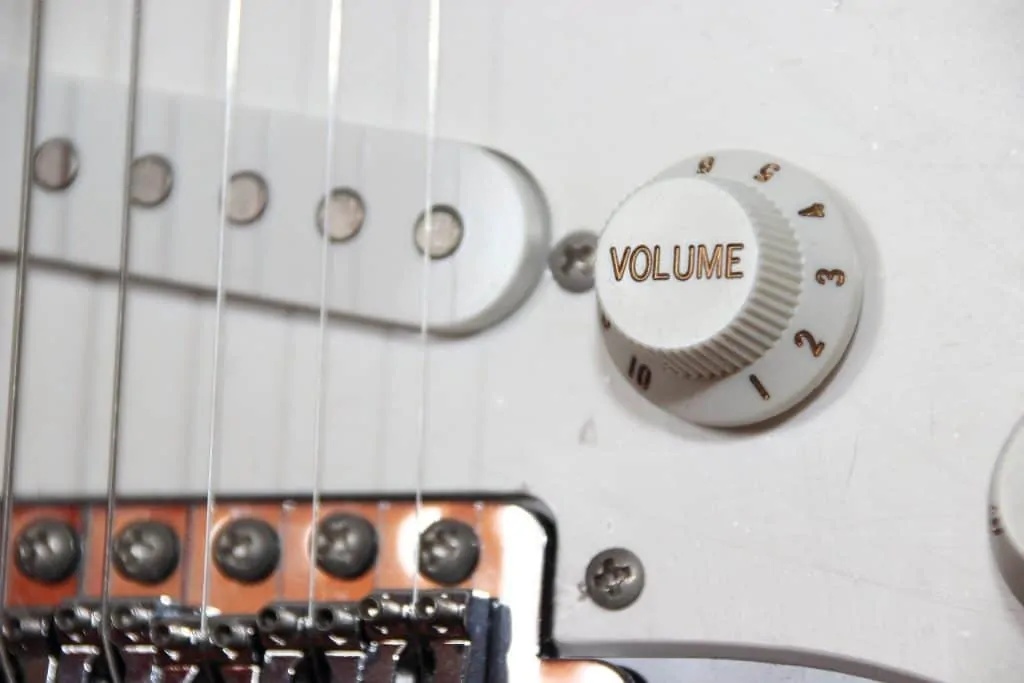
Soundchecking your guitar is an essential step to ensure a flawless performance. This process not only allows musicians to adjust their sound but also ensures that their equipment is functioning optimally. The following techniques will guide you through the vital aspects of soundchecking your guitar, focusing on tuning, balancing volume levels, and achieving the desired tone.
Importance of Tuning and Intonation Before Soundchecking
Before engaging in any soundcheck, it is crucial to ensure that your guitar is precisely tuned and properly intonated. Tuning your guitar to the correct pitch ensures that your notes are in harmony with other instruments, while proper intonation allows the notes to sound in tune across the entire fretboard.
“An out-of-tune guitar can undermine an entire performance, regardless of skill or technique.”
To achieve optimal tuning and intonation, consider the following techniques:
- Utilize a reliable tuner or tuning app to ensure precision.
- Check intonation by playing a harmonic and then fretting the same note; they should match in pitch.
- Make adjustments to the bridge saddles if discrepancies in pitch are noted across the fretboard.
Balancing Volume Levels Between Guitar and Other Instruments
Achieving a balanced mix of volume levels is vital for a cohesive sound during performances. Guitarists must ensure that their instrument complements rather than overpowers other musicians.To balance volume levels effectively, follow these steps:
- Start with a soundcheck at a moderate volume to evaluate how your guitar interacts with the mix of other instruments.
- Gradually adjust your amplifier settings while asking other musicians for their feedback.
- Use a sound engineer or monitor mixer to assist in achieving the right balance for the entire band.
Achieving Desired Tone Using Amplifiers and Pedals
Your guitar tone is significantly influenced by the amplification and effects you utilize. Understanding how to manipulate these components can enhance your sound and allow for more expressive performances.Consider the following methods for achieving your desired tone:
- Experiment with EQ settings on your amplifier to shape your sound; boosting mids may help your guitar to cut through the mix.
- Utilize different pedals—overdrive, distortion, and delay can dramatically change your tone. Test different combinations to find what best complements your style.
- Pay attention to your playing dynamics as this can greatly affect how your tone is perceived in relation to other instruments.
Troubleshooting Common Issues

Soundchecks are crucial for achieving optimal sound quality during a performance. However, even the most seasoned guitarists encounter various sound issues that can disrupt the flow of their setup. Understanding these common problems and how to address them is essential for maintaining a professional sound. This section will explore typical sound issues faced by guitarists during soundchecks, effective resolutions for feedback problems, and strategies for handling equipment malfunctions during performances.
Common Sound Issues Encountered by Guitarists
Guitarists often face a range of sound issues during soundchecks that can stem from equipment, environment, or technique. The following are some of the most frequent challenges:
- Buzzing or Humming Sounds: This can arise from electrical interference or grounding issues within the guitar or amplifier.
- Unbalanced Sound: One side of the sound may overpower the other, often caused by improper placement of speakers or monitors.
- Distorted Sound: This issue may occur due to excessive gain on the amplifier or a mismatch in impedance between the guitar and amp.
- Lack of Clarity: Issues such as muddiness in the sound may be a result of poor EQ settings or an improper microphone placement.
Effectively Resolving Feedback Problems
Feedback is a common issue for guitarists, especially when using amplifiers and microphones. It occurs when sound from the amplifier is re-amplified by the microphone, creating a loop. To effectively resolve feedback problems, consider the following techniques:
- Adjust Monitor Position: Ensuring that stage monitors are positioned away from microphones can significantly reduce feedback.
- Utilize Anti-Feedback Tools: Many sound systems come equipped with feedback suppressors or equalizers that can help diminish feedback levels.
- Lower Gain Levels: Reducing the gain on the amplifier or mixing console can help prevent feedback from occurring.
- Change Frequency Settings: Adjusting the EQ settings to eliminate frequencies that contribute to feedback is a crucial step in sound management.
Handling Equipment Malfunctions During Performances
Equipment malfunctions can occur unexpectedly during a performance, and being prepared to address these issues is essential for maintaining professionalism. Here are strategies for dealing with such situations:
- Have Backup Equipment: Keeping spare cables, strings, and even a backup guitar can save a performance in case of sudden equipment failure.
- Know Your Gear: Understanding the functionality of your equipment allows for quicker troubleshooting and adjustments in case of malfunctions.
- Stay Calm Under Pressure: Maintaining composure during equipment failures allows you to think clearly and address the problem efficiently.
- Communicate with Your Team: If you are part of a band, having clear communication can help resolve issues swiftly, ensuring everyone is aware of the situation.
Best Practices for Post-Soundcheck
After executing a soundcheck, it is essential to implement best practices to maintain the quality of sound throughout the performance. This phase not only helps in preserving the integrity of the sound settings but also enhances communication between the performing artist and the sound engineering team. Proper follow-up actions can significantly improve the overall experience for both the musicians and the audience.
Documenting Soundcheck Settings
One of the most effective practices following a soundcheck is to meticulously document the sound settings applied during the session. This documentation serves as a reference point for the performance and ensures consistency. It allows for quick adjustments if any unforeseen issues arise, thereby minimizing downtime. Key elements to document include:
- Channel settings: Record the levels, EQ adjustments, and effects used on each channel.
- Monitor mix: Note the specific settings for each stage monitor to ensure performers can hear themselves adequately.
- Room acoustics: Make observations about any peculiarities in sound that may affect performance, such as reflective surfaces or dead spots in the venue.
- Feedback and notes: Include any comments from band members or sound engineers that could inform future soundchecks or performances.
“Documentation is the key to sound consistency; it allows for seamless transitions between rehearsals and performances.”
Routine Check-Ins with the Sound Engineer
Establishing a routine for checking in with the sound engineer after the soundcheck is vital for ensuring that both parties are aligned on the sound expectations for the performance. This communication can help clarify any last-minute adjustments that may be necessary based on the performance environment. Effective strategies for this interaction include:
- Regular updates: Schedule brief discussions to review any changes or concerns that arise during the setup or before the show starts.
- Post-soundcheck debrief: Conduct a quick meeting to discuss the outcomes of the soundcheck, focusing on what worked well and what could be improved.
- Feedback loop: Encourage an open dialogue where both musicians and sound engineers can share insights and suggestions, fostering a collaborative atmosphere.
Maintaining Sound Consistency During Performance
To maintain sound consistency throughout the performance, musicians should implement specific techniques that contribute to a stable sound environment. Consistency is key to delivering an engaging and professional performance. Important practices include:
- Pre-performance checks: Conduct a final check of the equipment, including guitars, amps, and pedals, to ensure everything is functioning as intended.
- Monitor adjustments: Encourage performers to communicate any necessary adjustments in their monitor mixes to the sound engineer during the performance.
- Stay aware of the audience: Pay attention to audience reactions and adjust performance dynamics accordingly, which may involve subtle changes in playing style or volume.
- Use of technology: Consider utilizing in-ear monitors for more precise sound control, helping performers hear themselves and each other clearly regardless of venue acoustics.
“Continuous adaptation during a performance is essential to preserving sound integrity and enhancing the audience’s experience.”
Summary
In conclusion, mastering the art of soundchecking your guitar is vital for achieving the best sound quality during performances. By following the Artikeld steps and techniques, along with maintaining a proactive approach to troubleshooting, you can enhance your overall performance experience. Remember, a well-executed soundcheck is the key to ensuring that your music reaches its audience in its best form.