How to Properly Store Your Guitar to Prevent Damage is crucial for any guitarist looking to preserve the integrity and sound of their instrument. Guitars, often seen as a lifelong companion, require careful attention to their storage conditions to avoid the perils of environmental fluctuations and neglect. This guide will delve into the key factors that contribute to effective guitar storage, providing insights on maintaining an optimal environment, choosing the right protective gear, and avoiding common pitfalls that can lead to costly damage.
As we explore the importance of proper storage, we will uncover the various types of cases suitable for different guitar models, the ideal environmental conditions necessary for sustaining their quality, and the best practices for both short-term and long-term storage. By understanding these aspects, guitarists can ensure their instruments remain in pristine condition, ready to create beautiful music whenever inspiration strikes.
Importance of Proper Guitar Storage

Proper storage of your guitar is essential to preserve its quality, playability, and longevity. A guitar is not merely an instrument; it is a finely crafted piece of art that requires care and attention to maintain its optimal condition. Understanding the significance of proper storage practices can prevent costly repairs and ensure that your instrument continues to perform at its best.Improper storage can lead to various forms of damage, including warping, cracking, and deterioration of materials.
Guitars are made from wood, which is sensitive to environmental changes. When stored in unsuitable conditions, the wood can expand or contract, leading to structural issues that may affect sound quality and playability. Additionally, exposure to extreme temperatures or humidity can compromise glue joints and finish integrity.
Impact of Temperature and Humidity on Guitar Materials
The stability of temperature and humidity levels is critical for maintaining the integrity of a guitar. Fluctuations in these conditions can have detrimental effects on the wood and other materials used in the instrument. To illustrate the importance of maintaining optimal conditions, consider the following points:
- Wood Expansion and Contraction: High humidity can cause wood to swell, while low humidity can lead to shrinkage. This cyclical process can result in cracks and other structural damage.
- Glue Joint Integrity: Many guitars are assembled using various types of adhesive. Extreme temperatures can weaken these glue joints, resulting in parts of the guitar becoming loose or separating entirely.
- Finish Deterioration: The finish on a guitar not only enhances its appearance but also protects the wood. Excessive heat can cause the finish to bubble or peel, while high humidity can lead to mold growth on the surface.
- Neck Relief Changes: The neck of the guitar can warp due to temperature and humidity changes, leading to playability issues such as fret buzz or high action.
Maintaining a stable environment is beneficial to your guitar in numerous ways. Keeping your guitar stored in a controlled environment can extend its lifespan and retain its value. It ensures that the instrument sounds its best, providing an enjoyable playing experience. By being proactive in managing the conditions your guitar is exposed to, you contribute positively to its overall performance and aesthetic appeal.
The ideal storage conditions for a guitar typically range between 40-60% humidity and a temperature between 70-75°F (21-24°C).
Best Practices for Storing Your Guitar
Proper storage of your guitar is paramount to maintaining its condition and ensuring longevity. Whether you play a classic acoustic, a sleek electric, or a sturdy bass, understanding the best practices for storing your instrument can prevent unnecessary wear and damage. This section will explore essential methods and equipment for safeguarding your guitar when not in use.
Recommended Types of Cases for Different Guitar Types
Choosing the right type of case for your guitar is crucial in providing the necessary protection from environmental factors and physical impacts. Various cases cater to different guitar types and usage scenarios. Below are some recommended case types tailored to specific instruments:
- Hard Cases: Ideal for all types of guitars, hard cases provide maximum protection against drops, knocks, and environmental elements. They are especially recommended for electric guitars and high-end acoustics.
- Soft Cases (Gig Bags): Lightweight and portable, soft cases are suitable for quick transport and casual use. They offer basic protection against dust and scratches but are best for home storage rather than travel.
- Flight Cases: Specifically designed for touring musicians, flight cases ensure that guitars withstand rigorous handling during travel. They feature reinforced corners and heavy-duty latches, making them suitable for any guitar type.
- Wall Hangers or Stands: For players who prefer to display their guitars, wall hangers or sturdy stands can be used. These options allow for easy access while keeping the instrument visible, but they should be placed away from direct sunlight and heat sources.
Methods for Securing Your Guitar in Its Case or Stand
Ensuring that your guitar is correctly secured within its case or stand is essential to prevent movement that could lead to damage. Adopting suitable methods can safeguard your instrument effectively. Consider the following practices:
- Using the Lock Mechanism: If your hard case features a locking mechanism, always engage it before storing. This prevents accidental opening during transport or storage.
- Utilizing Padding: Ensure that the interior of the case has adequate padding to cushion the guitar. Soft material lining is preferable to prevent scratches and movement.
- Positioning Properly: Always place your guitar upright in a stand or secure it horizontally in a case. Avoid leaning it against surfaces where it may fall.
- Strap Security: If using a stand, utilize a guitar strap to secure the instrument further. This not only adds stability but also prevents it from slipping off accidentally.
Importance of Cleaning Your Guitar Before Storage
Cleaning your guitar prior to storage is a vital step in preserving its finish and playability. Residue from oils, dust, and sweat can contribute to deterioration over time. The following practices will ensure your guitar remains in optimal condition:
- Wipe Down the Strings: Use a soft cloth to clean the strings after each use, removing any sweat or oils that may cause corrosion.
- Polish the Body: A gentle polish can help maintain the guitar’s finish. It is advisable to use products specifically designed for the type of wood and finish your guitar has.
- Inspect for Damage: Regular cleaning is an opportunity to inspect the guitar for any signs of damage or wear, allowing for timely repairs.
- Humidity Control: Prior to storage, ensure that the guitar is within an appropriate humidity range. Using a hygrometer can help monitor conditions and prevent wood warping.
Environmental Considerations for Guitar Storage
Maintaining the ideal environmental conditions for your guitar is fundamental to preserving its quality and longevity. Guitars are sensitive instruments that can be adversely affected by temperature and humidity fluctuations. Therefore, understanding the optimal conditions for storage is essential for any guitar owner.The ideal temperature for storing guitars typically ranges between 70°F (21°C) and 75°F (24°C). Humidity levels should be kept between 40% and 60%.
These conditions help prevent wood from warping and the glue joints from weakening, which can lead to irreversible damage. Extreme temperatures can cause the wood to dry out or swell, while excessive humidity may lead to mold growth and rust on metal parts. To maintain these conditions, it is crucial to monitor your storage area effectively.
Monitoring Environmental Conditions
Regularly checking the temperature and humidity in your guitar storage area is vital for ensuring the safety of your instrument. Here are some effective methods for monitoring these environmental factors:*Utilizing digital hygrometers and thermometers is an effective way to keep tabs on the conditions in your storage space. These devices provide accurate readings and can alert you to any fluctuations that may occur.Consider investing in a climate-controlled storage unit if you live in an area with extreme weather conditions or high humidity.
This option provides a stable environment for your guitar, reducing the risk of damage significantly.Placing your guitar in a hard case with a humidifier can help regulate moisture levels, particularly during dry seasons. A small sponge or a commercial humidifying device can effectively maintain the desired humidity inside the case.Using desiccant packets in your storage area can help absorb excess moisture, protecting your guitar from potential water damage.*
Effects of Storing Guitars in Different Locations
The location where you store your guitar can dramatically influence its condition over time. Understanding the implications of indoor versus outdoor storage is essential for making informed decisions regarding your instrument’s safety.*Indoor storage generally offers a more stable environment for guitars. It provides protection from direct sunlight, temperature fluctuations, and excessive moisture, which are common in outdoor settings. If possible, choose a storage area away from windows, heating vents, or air conditioning units to minimize exposure to extreme conditions.Outdoor storage is not recommended for guitars, as it exposes them to the elements, including rain, humidity, and temperature changes.
Exposure to direct sunlight can also lead to fading and damage to the finish. If you must store your guitar outdoors, it is crucial to use weatherproof cases and ensure they are kept in shaded areas, although this is still not ideal.*In summary, understanding and monitoring the environmental conditions for storing your guitar is integral to its preservation. By adhering to the recommended temperature and humidity levels and selecting an appropriate storage location, you can ensure your instrument remains in optimal playing condition for years to come.
Long-term vs Short-term Storage Techniques
When it comes to storing your guitar, understanding the distinction between long-term and short-term storage techniques is essential for maintaining its condition and playability. Each method has its unique considerations, tailored to the duration of storage, the environment, and the specific needs of the instrument. This section will discuss strategies for short-term storage during travel, special considerations for long-term storage of vintage guitars, and methods for periodic maintenance during long-term storage.
Short-term Storage Techniques During Travel
When traveling with your guitar, it is crucial to implement short-term storage strategies to mitigate potential damage. Guitars are sensitive instruments that require careful handling, especially in transit. Here are several strategies to consider:
- Use a High-Quality Gig Bag or Hard Case: Invest in a well-padded gig bag or a sturdy hard case to provide adequate protection against bumps and falls during transportation.
- Detune the Strings: Loosening the strings slightly can relieve tension on the neck, which is particularly important in fluctuating temperatures and humidity levels.
- Avoid Extreme Temperatures: Keep your guitar out of direct sunlight and away from heat sources, as these conditions can warp the body and neck.
- Pack Securely: Ensure that the guitar is securely packed in the vehicle or on an airplane, avoiding areas where it might be subjected to heavy objects or jostling.
Considerations for Long-term Storage of Vintage Guitars
Vintage guitars require additional care when stored long-term to preserve their unique characteristics and value. Special considerations for these instruments include:
- Climate Control: Store vintage guitars in an environment with controlled temperature and humidity to prevent wood from cracking or warping. Ideally, aim for a temperature of around 70°F and humidity levels between 45% and 55%.
- Use Proper Supports: Utilize guitar stands that provide support at the neck and body, avoiding pressure on the strings and fretboard to reduce wear.
- Regular Inspections: Periodically check the instrument for signs of damage or deterioration, addressing any issues promptly to prevent further harm.
Periodic Maintenance During Long-term Storage
Even when a guitar is not being played regularly, periodic maintenance is vital to keep it in optimal condition. Implementing these maintenance methods can significantly extend the lifespan of your instrument:
- Clean and Polish: Before storing the guitar, clean the body and strings, using appropriate guitar cleaners and polishes to maintain its finish.
- Check Hardware: Inspect the tuning machines, bridges, and pickups for any signs of rust or wear. Tighten hardware as necessary to ensure stability.
- Change Strings Regularly: Even if the guitar is not played often, changing the strings every few months can prevent oxidation and maintain a fresh sound when the instrument is played again.
- Humidity Control Packs: Use humidity control packs within the case or storage area to maintain consistent humidity levels, protecting against fluctuations that can affect the instrument.
Common Mistakes to Avoid When Storing Guitars
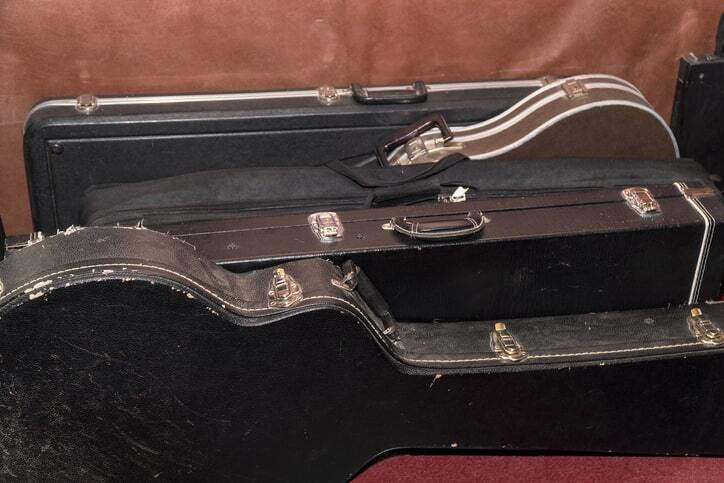
Proper storage is vital for maintaining the condition and longevity of your guitar. However, many guitar owners make common mistakes that can lead to irreversible damage. Understanding these errors and the misconceptions surrounding guitar storage practices will help protect your instrument and preserve its quality.When it comes to storing guitars, several pitfalls can easily occur. These mistakes often stem from a lack of knowledge or oversight regarding the specific needs of different guitar types.
Below is a list of common errors that guitar owners should be mindful of to ensure their instruments remain in optimal condition.
Common Errors in Guitar Storage
Many guitar owners unknowingly engage in practices that can compromise their instrument’s integrity. Recognizing these mistakes can prevent damage and prolong the life of your guitar.
- Storing in Extreme Temperatures: Guitars should not be exposed to extreme heat or cold. High temperatures can cause the glue joints to weaken, while cold conditions may lead to cracking in the wood. Ideally, guitars should be stored in a climate-controlled environment.
- Neglecting Humidity Levels: Wood is a hygroscopic material, meaning it absorbs and releases moisture. Guitars require a specific humidity level, typically between 45% and 55%. Storing a guitar in a dry place may cause wood to shrink, resulting in cracks and warping.
- Improperly Placing in the Case: When storing a guitar in its case, it is crucial not to place heavy items on top of it. This can create pressure points and damage the body of the guitar over time.
- Leaving Guitar in Direct Sunlight: Exposure to direct sunlight can fade the finish and damage the wood. Always store your guitar in a shaded area to prevent sun damage.
- Using Non-Protective Stands: Utilizing inadequate stands that do not support the guitar correctly can lead to unrested tension on the neck, causing warping. A well-padded, stable stand is essential for proper support.
Misconceptions about guitar storage can also lead to detrimental practices. It is essential to address common myths that may misguide guitar owners.
Misconceptions About Guitar Storage
Many guitarists hold misconceptions that could lead to improper care of their instruments. Addressing these myths helps clarify the best practices for guitar storage.
- Believing that a guitar is fine in a garage or basement: Many people think storing a guitar in a garage or basement is acceptable. However, these areas often experience extreme temperature fluctuations and high humidity, which can be harmful to the instrument.
- Assuming that a hard case is always sufficient: While hard cases provide good protection, they are not infallible. If a hard case is left in a hot car, it can still lead to damage. Regular checks on the case and its environment are necessary.
- Thinking that a guitar can be stored forever without maintenance: Guitars require regular maintenance, even during storage. Neglecting to check the condition of the strings, neck, and body can lead to deterioration when the instrument is finally played again.
- Underestimating the impact of dust: Dust accumulation can lead to damage over time, especially if it settles into crevices and joints. Regular cleaning and proper storage solutions can mitigate this issue.
Tools and Materials for Guitar Protection

Maintaining the condition of your guitar is essential for both its playability and longevity. Utilizing the right tools and materials can significantly protect your instrument from potential damage during storage. This section highlights the essential tools and materials you will need to ensure your guitar remains in optimal condition.
Essential Tools for Maintaining Guitar Condition
Proper maintenance of your guitar requires specific tools that facilitate cleaning, tuning, and repairs. These tools will help ensure that your guitar stays in excellent playing condition, whether for short-term or long-term storage.
- Tuner: A reliable electronic tuner helps maintain accurate pitch and intonation.
- String Winder: This tool makes changing strings quicker and more efficient.
- Capo: Useful for various playing styles, a capo allows for quick key changes.
- Cleaning Cloth: Soft microfiber cloths are essential for removing dirt and oils from the guitar’s surface.
- Guitar Stand or Wall Mount: A stable stand or wall mount keeps the guitar secure and easily accessible.
- Allen Wrench Set: These are necessary for adjusting the truss rod and other hardware on the guitar.
Materials for Proper Cushioning in Storage
When storing a guitar, proper cushioning is vital to prevent physical damage. The right materials provide support and protection against environmental factors such as temperature fluctuations and humidity.
- Foam Padding: High-density foam is ideal for cushioning the body and neck of the guitar, minimizing the risk of dings and scratches.
- Bubble Wrap: This material is effective for wrapping around the guitar during transport or long-term storage, offering an additional layer of protection.
- Soft Cases: Padded gig bags or soft cases provide a lightweight option for protection against dust and minor impacts.
- Humidity Control Packs: To prevent wood from cracking or warping, use humidity control packs that help maintain stable moisture levels.
DIY Storage Solutions for Guitars Using Household Items
Creating a DIY storage solution for your guitar can be both economical and effective. With common household items, you can devise protective storage that keeps your guitar safe from damage.
- Cardboard Box: A sturdy cardboard box can serve as a temporary storage solution. Line the interior with soft materials like towels to cushion the guitar.
- Old Pillows: Utilizing old pillows as padding inside a case or box can create a soft environment for the guitar.
- Plastic Storage Containers: Ensure the container is large enough, and use foam or bubble wrap to secure the guitar inside to prevent movement.
- Clothes Hangers: For wall storage, modify clothes hangers to hang the guitar safely, ensuring that the neck is supported and secure.
Seasonal Considerations for Guitar Storage
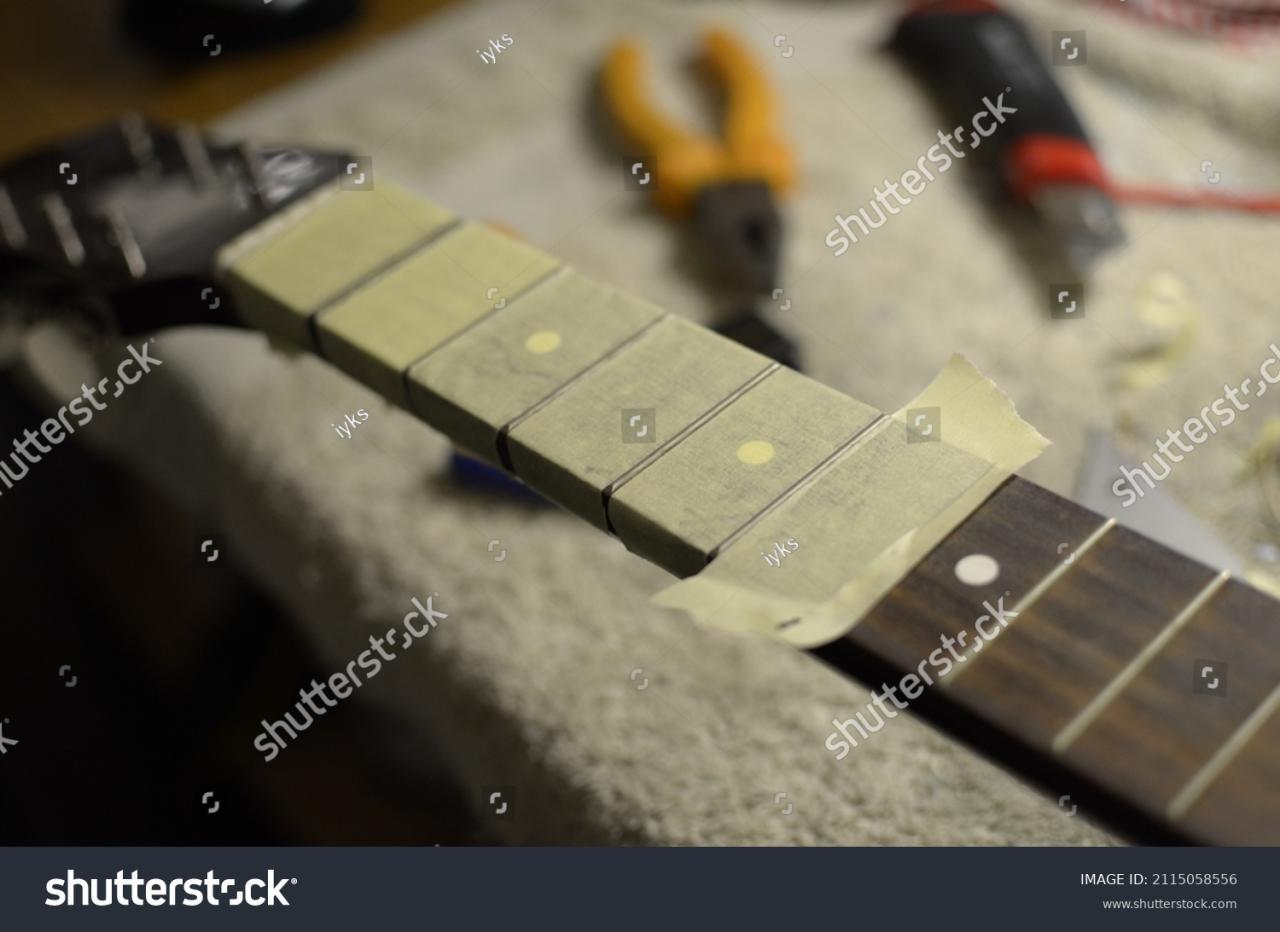
Understanding the seasonal effects on guitar storage is essential for maintaining the instrument’s integrity and performance. Different seasons bring varying environmental conditions that can impact wood, electronics, and overall playability. By recognizing these changes and preparing your guitar accordingly, you can ensure its longevity and preserve its sound quality.Seasonal changes can influence humidity and temperature levels, which are critical factors in guitar storage.
For instance, winter often brings dry air, while summer may introduce increased humidity. Both extremes can cause wood to expand or contract, leading to issues such as warping, cracking, or glue joint failures. Therefore, it is vital to implement specific storage strategies for each season, allowing for proper care and maintenance of your instrument.
Preparing Your Guitar for Seasonal Changes
To effectively prepare your guitar for the transitions between seasons, consider the following important tips that address environmental fluctuations:
1. Humidity Control
Utilize a hygrometer to monitor humidity levels in the storage area. Ideal levels are generally between 45% and 55%. Employ a guitar humidifier during dry months to maintain moisture balance in the wood.
2. Temperature Regulation
Store guitars in a climate-controlled room, avoiding areas with extreme temperature fluctuations such as basements or attics.
Keep your guitar away from direct sunlight, which can lead to overheating and damage.
3. Regular Inspections
Conduct seasonal inspections to check for any signs of damage or wear, such as cracks or changes in action.
Ensure that the strings are in good condition and replace them as necessary, particularly before major seasonal changes.
4. Proper Case Storage
Use a high-quality hard case for long-term storage, especially during extreme weather conditions.
If storing in a gig bag, ensure it is well-padded and away from potential hazards or moisture sources.
5. Cleaning and Maintenance
Perform a thorough cleaning before transitioning to a new season, including polishing the body and conditioning the fretboard.
Check and tighten hardware as needed, ensuring that all components are secure.
“A well-maintained guitar is a joy to play, regardless of the season.”
These practices not only aid in protecting your instrument but also enhance your overall playing experience. By being proactive and attentive to seasonal changes, you can safeguard your guitar’s quality and ensure it remains in optimal condition throughout the year.
Concluding Remarks
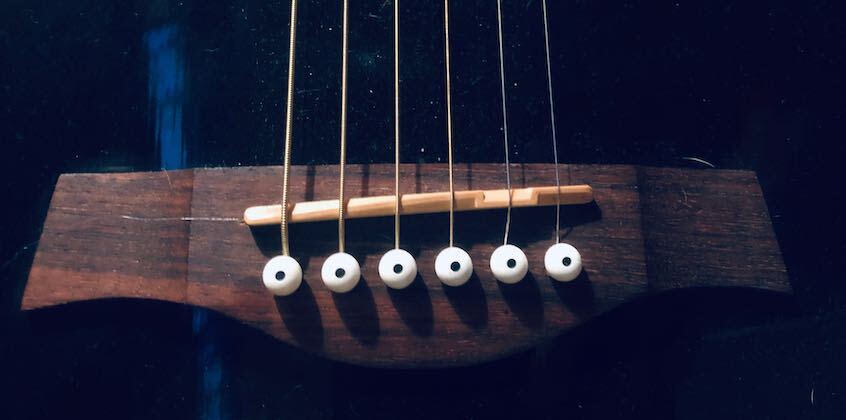
In conclusion, taking the time to learn about how to properly store your guitar can significantly impact its longevity and performance. By implementing the best practices discussed, from environmental considerations to avoiding common mistakes, you can protect your beloved instrument against damage and deterioration. Remember, a well-stored guitar not only extends its life but also enhances your playing experience, allowing you to enjoy the music it produces for years to come.