How to Overcome Finger Pain When Learning Guitar is a common concern for many aspiring musicians. As one embarks on the journey of mastering the guitar, finger pain can often hinder progress and create frustration. Understanding the causes of this discomfort is crucial for developing effective strategies to manage and alleviate it. Through insights into finger anatomy, playing techniques, and the importance of proper equipment, we can navigate the path to enjoyable and pain-free playing.
This discussion will explore various aspects of finger pain, including its common causes and the role of playing styles in exacerbating discomfort. Moreover, we will delve into practical techniques for reducing pain, selecting the right gear, and implementing mindful practice habits. These insights aim to empower guitar players to continue their musical journey with confidence and ease.
Understanding Finger Pain in Guitar Playing
Finger pain is a common issue faced by both novice and experienced guitar players. This discomfort can stem from various factors, including improper technique, overuse, and physiological differences among individuals. Understanding the underlying causes of finger pain is crucial for guitarists who wish to improve their playing and maintain finger health over time.The anatomy of the fingers plays a significant role in how guitarists experience pain.
Each finger contains several bones, known as phalanges, and is surrounded by tendons, muscles, and nerves. When playing the guitar, these anatomical structures are engaged in ways that can lead to strain or injury if not approached correctly. The pressure exerted on the fingertips while fretting notes can lead to soreness, particularly for beginners who are still developing calluses. Additionally, the position of the fingers and the force applied during strumming can lead to discomfort, especially with different playing styles.
Common Causes of Finger Pain in Guitar Playing
Understanding the typical causes of finger pain can help guitarists take preventive measures. The following points highlight the most prevalent factors contributing to finger discomfort:
- Improper Technique: Incorrect hand positioning or finger placement can lead to unnecessary tension and pain.
- Overuse: Extended practice sessions without adequate breaks can result in fatigue and soreness.
- Lack of Calluses: Beginners often lack the protective calluses that develop over time, making their fingers more sensitive.
- Inadequate Instrument Setup: Poorly adjusted guitars can increase the effort needed to press down strings, causing strain.
- Playing Style: Strumming patterns and fingerpicking techniques can place different demands on the fingers, leading to varied discomfort levels.
“Understanding proper technique and listening to your body are essential for preventing and managing finger pain in guitar playing.”
It’s essential for guitarists to recognize that different playing styles can impact finger health significantly. For example, classical guitar players, who often use a fingerpicking technique, may experience pain in different areas compared to those who predominantly use a pick. The deliberate and sometimes rapid movements required in fingerstyle can lead to strain, particularly in the tendons and muscles of the fingers.
In contrast, aggressive strumming patterns found in rock or pop music may create pressure on the fingertips and palms, resulting in soreness from the repetitive motion.By being aware of these factors and adjusting their technique and playing habits accordingly, guitarists can minimize the risk of finger pain and enjoy a more fulfilling playing experience.
Techniques for Reducing Finger Pain

Finger pain is a common challenge for guitarists, particularly those who are just starting their musical journey. By adopting specific techniques, not only can discomfort be alleviated, but overall playing ability can also be enhanced. The following methods focus on warming up fingers, optimizing hand positioning, and incorporating finger stretching exercises, all aimed at promoting a more enjoyable and pain-free guitar playing experience.
Warming Up Fingers Before Practicing
Warming up is essential to prepare the fingers for playing and to minimize the risk of pain. Engaging in a brief warm-up routine can enhance blood circulation, increase flexibility, and reduce muscle tension. Here are several effective warm-up exercises:
- Finger Tapping: Tap each finger against the thumb in a rhythmic manner. This engages the motor skills and increases blood flow.
- Finger Rolls: Roll each finger from the base to the tip and back, which can help in loosening any stiffness.
- Scale Patterns: Play simple scale patterns slowly to gradually increase finger dexterity and coordination.
Hand Positioning to Minimize Pain
Proper hand positioning is crucial for reducing finger pain while playing the guitar. Incorrect hand placement can lead to unnecessary strain on the fingers, leading to discomfort over time. Here are key considerations for optimizing hand positioning:
- Wrist Angle: Keep the wrist straight, avoiding excessive bending which can lead to strain. The ideal position allows for comfortable access to the fretboard without tension.
- Fingertip Placement: Press down on the strings using the tips of the fingers rather than the pads. This method minimizes the distance the fingers have to stretch and allows for cleaner notes.
- Body Alignment: Position the guitar in a way that allows for natural arm movement. Ensure your back is straight and the guitar is at a comfortable height.
Finger Stretching Exercises
Incorporating finger stretching exercises into your routine can significantly alleviate discomfort and improve flexibility. Stretching helps to release tension built up during practice sessions. Consider the following stretches:
- Finger Spreads: Open your hand wide and hold the stretch for 10 seconds before relaxing. This targets the muscles in the hands and fingers.
- Claw Stretch: Curl your fingers into a claw shape and hold for a few seconds, then extend them outwards. This helps promote flexibility in the joints.
- Wrist Stretch: Extend one arm in front, palm up, and use the opposite hand to gently pull back on the fingers. Hold for 15 seconds and repeat with the other hand.
Choosing the Right Guitar and Accessories
Selecting the appropriate guitar and its accessories is crucial in minimizing finger pain during learning and playing. Various factors can influence the level of comfort and strain experienced while playing, making informed choices essential for a more enjoyable musical journey.
Factors to Consider When Selecting a Guitar
When choosing a guitar, several key factors can significantly reduce finger strain and enhance playing comfort. The following considerations should be taken into account:
- Body Size and Shape: Opting for a guitar with a comfortable body size and shape can facilitate easier access to the frets and reduce the need for excessive stretching of the fingers.
- Neck Width: A wider neck often allows for a more relaxed hand position, particularly beneficial for players with larger hands.
- Scale Length: Shorter scale lengths generally result in less tension on the strings, making it easier to press down and bend notes without straining the fingers.
String Gauge Variations and Their Effect on Finger Pain
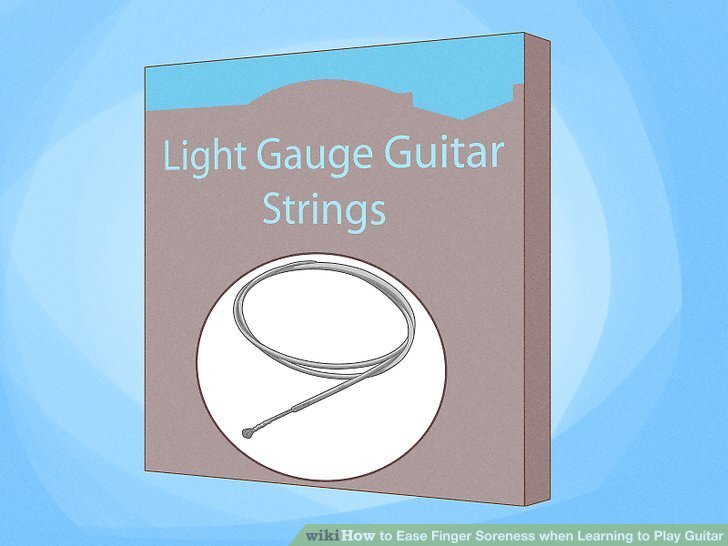
The gauge of guitar strings refers to their thickness, and this choice can have a significant impact on finger pain. Lighter gauge strings require less pressure to fret, which can greatly alleviate strain on the fingers. Conversely, heavier gauge strings, while providing a richer tone, can lead to increased finger fatigue, especially for beginners. Here are some considerations regarding string gauge:
- Light Gauge Strings: Typically ranging from .009 to .042, light gauge strings are easier to play and can reduce finger pain, making them an ideal choice for those still developing finger strength.
- Medium Gauge Strings: These strings, varying from .010 to .046, offer a balance between playability and tone, suitable for players looking for a compromise between ease of play and sound quality.
- Heavy Gauge Strings: Generally from .011 to .052, heavy strings can produce a fuller sound but may increase the physical demands on the fingers, which can lead to discomfort, particularly for less experienced players.
Ergonomic Picks and Finger Supports
Using ergonomic picks and finger supports can significantly enhance comfort during play. These accessories are designed to minimize strain and improve grip and control, contributing to a more enjoyable playing experience. Consider the following options:
- Ergonomic Picks: Designed with contours that fit the shape of the fingers, these picks can reduce tension and fatigue while providing a secure grip, allowing for longer practice sessions without discomfort.
- Finger Supports: Various devices, such as finger caps or supports, can help distribute pressure more evenly across the fingers, reducing the likelihood of pain and enhancing overall technique.
- Grip Enhancements: Some players benefit from textured or padded picks, which provide additional grip and control, thereby reducing the effort required to strum and pluck strings.
Learning Strategies to Prevent Pain
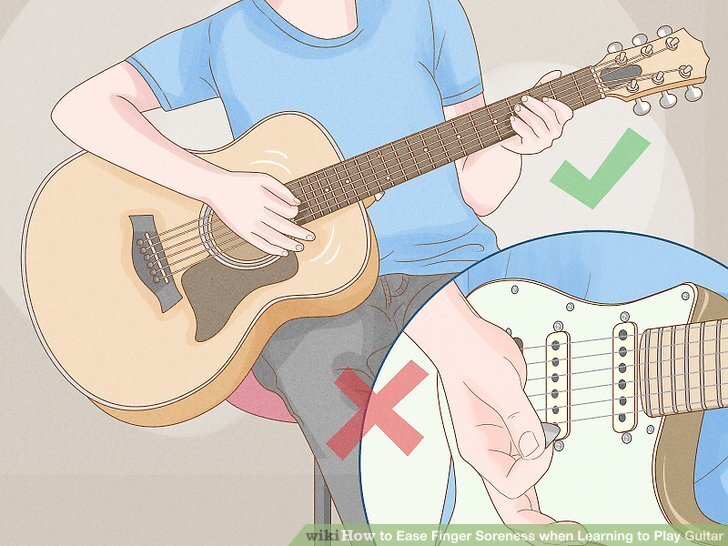
When learning to play the guitar, many beginners experience finger pain that can hinder their progress. Developing effective learning strategies is crucial not only for mastering the instrument but also for ensuring a pain-free experience. By implementing structured practice schedules, focusing on proper technique, and incorporating mindful practices, guitarists can significantly reduce the risk of finger pain.
Creating a Structured Practice Schedule
Establishing a well-balanced practice schedule is fundamental in preventing overuse injuries. Consistent practice without adequate breaks can lead to strain on the fingers and hands. It is essential to integrate periods of rest into your practice routine.
- Allocate specific times for practice, ensuring that each session lasts no longer than 30 to 45 minutes.
- Include 5 to 10-minute breaks between practice sessions to allow your fingers to recover.
- Monitor your physical sensations and take additional breaks if you feel discomfort or tightness.
By adhering to a structured schedule that incorporates breaks, players can avoid fatigue and maintain a more enjoyable learning experience.
Gradual Learning Process Emphasizing Technique
Focusing on technique rather than speed is essential for long-term success and comfort while playing. Many players feel pressured to play quickly, which can lead to improper finger positioning and increased tension.
- Start with simple chords and scales, gradually increasing complexity as comfort and skill improve.
- Prioritize proper finger placement and movements over achieving fast tempos.
- Regularly revisit fundamental techniques to reinforce good habits.
This gradual approach helps prevent injury and fosters a solid foundation for more advanced playing.
The Role of Mindful Practice in Reducing Finger Tension
Mindful practice involves being fully present and aware of your physical sensations during guitar playing. By paying attention to your body, you can identify signs of tension or discomfort early on.
- Before starting a practice session, take a moment to perform gentle hand and finger stretches to enhance flexibility.
- Focus on maintaining relaxed hands and fingers while playing, consciously releasing any tension.
- Regularly pause to assess your posture and grip, making adjustments as needed to prevent strain.
Mindful practice cultivates a more enjoyable playing experience and significantly reduces the likelihood of finger pain.
Seeking Professional Help
When guitar players experience persistent finger pain, it is crucial to recognize the appropriate time to seek professional assistance. Consulting with a music instructor can provide valuable insights into technique improvement that may alleviate discomfort. Furthermore, persistent finger pain may require the expertise of a healthcare provider or physical therapist to ensure that no underlying conditions are contributing to the issue.In instances where finger pain becomes chronic or impacts daily activities, exploring physical therapy can offer significant benefits.
Physical therapists use specialized techniques to strengthen muscles, enhance flexibility, and improve overall hand function. They can tailor programs specific to guitarists, focusing on the unique demands of playing while ensuring proper ergonomics and technique are maintained.
Indicators for Professional Consultation
It is essential to recognize specific symptoms that warrant a visit to a healthcare provider. Understanding these indicators can help prevent long-term damage and ensure a swift recovery. The following symptoms should prompt immediate consultation:
- Persistent finger pain that lasts for several days, even after rest and proper warm-up exercises.
- Swelling, redness, or warmth in the finger joints, which may indicate inflammation or injury.
- Diminished range of motion or stiffness, making it difficult to play or perform everyday tasks.
- Numbness or tingling sensations in the fingers, suggesting potential nerve involvement.
- Recurring pain that worsens with guitar practice or other activities, signaling a need for evaluation.
“Taking timely action can prevent minor issues from escalating into serious injuries that hinder your musical journey.”
Personal Experiences and Testimonials

Many musicians, both novice and professional, face the challenge of finger pain while learning or playing the guitar. However, numerous inspiring stories demonstrate that overcoming this obstacle is possible. These experiences not only highlight effective strategies but also reflect the determination and resilience of dedicated guitarists. Understanding the personal journey of others can motivate and guide individuals experiencing similar hardships, thus fostering a community of support and encouragement.
The mental aspect of dealing with finger pain is crucial to maintaining motivation. Pain can often lead to frustration and diminished enthusiasm for practice. However, several musicians have shared their transformative journeys, illustrating that a positive mindset can significantly influence both progress and enjoyment in playing the instrument. By reflecting on these stories, readers can find comfort and inspiration to continue pursuing their musical aspirations despite challenges.
Musician Testimonials of Overcoming Finger Pain
Musicians from various backgrounds have faced and conquered finger pain through perseverance and innovative techniques. Here are some testimonials that exemplify different approaches to overcoming this common hurdle:
“As a beginner, I faced severe finger pain that almost made me give up. However, I learned to adjust my playing technique and practice regularly in shorter sessions. Gradually, I built strength and calluses, and now I can play for hours without discomfort.”
Emily R.
“During my early days in a band, I struggled with pain that hindered my performance. I sought advice from a professional guitar teacher who introduced me to proper finger placement and relaxation techniques. This not only alleviated my pain but also improved my overall playing.”
Marcus T.
“After years of playing, I developed tendonitis that threatened my career. With physical therapy and targeted exercises, I regained mobility and learned how to manage my pain effectively. It’s been a game-changer for my approach to guitar.”
Sarah L.
Learning from these experiences can offer valuable insights into personal strategies that may benefit others facing similar struggles. It is essential to recognize that each musician’s journey is unique, and finding the appropriate methods to cope with pain may involve trial and error.
Reflecting on personal experiences and the shared journeys of others can inspire guitarists to remain resilient in the face of adversity. By focusing on positive outcomes and incorporating effective techniques, individuals can cultivate a fulfilling relationship with their instrument while minimizing pain. The community of guitarists stands as a testament to the possibility of overcoming obstacles together, reinforcing the notion that persistence and adaptability are key to success.
Wrap-Up
In conclusion, overcoming finger pain when learning guitar is not just about enduring discomfort; it involves understanding one’s body, making informed choices, and cultivating healthy practices. By applying the techniques discussed and remaining attentive to the signals your body sends, you can transform your guitar playing experience. Embrace the journey of learning, and let the music flow without the burden of pain.