How to Make Your Chords Sound Clear and Not Muted is an essential guide for musicians seeking to enhance their sound. In the world of music, the clarity of chords plays a pivotal role in delivering an impactful performance. This guide delves into the significance of clear chords, common causes of muted sounds, and the critical role of finger placement.
By understanding these foundational elements, musicians can elevate their playing to new heights.
As we explore various techniques, equipment setups, and maintenance tips, this guide offers a comprehensive approach to achieving clarity in your chord sounds. From practicing effective finger positioning to choosing the right amplifier settings, you will discover practical methods that can transform your music. Additionally, we will analyze famous songs to illustrate successful techniques and highlight common mistakes to avoid, ensuring that every chord struck is resonant and vibrant.
Understanding Chord Clarity

Clear chords are fundamental to producing a rich and harmonious sound in music. The clarity of each chord contributes to the overall quality of a performance, allowing listeners to appreciate the intricacies of a composition. When chords are played clearly, they create a vibrant auditory experience that engages the audience and enhances the emotive power of the music. Common causes of muted-sounding chords can significantly detract from this experience.
Various factors such as improper finger placement, inadequate pressure, and even the choice of instrument can lead to chords that lack the desired resonance. By understanding these challenges, musicians can take steps to improve their playing technique and enhance the clarity of their chords.
Common Causes of Muted-Sounding Chords
Understanding the origins of muted chords is essential for musicians seeking to refine their sound. Below are several factors that can contribute to this problem:
- Finger Placement: Incorrect placement of fingers on the fretboard or keys can obstruct the strings or notes, leading to a muffled sound. Each finger should press down firmly and precisely on the designated fret or key.
- Lack of Pressure: Insufficient pressure applied to the strings can cause them to vibrate poorly, resulting in a weak or muted chord. Musicians should practice applying the right amount of pressure consistently.
- String Muting: Accidental muting of strings by adjacent fingers can occur, particularly on stringed instruments. Careful attention to finger positioning is crucial to avoid this issue.
- Poor Technique: Inexperienced musicians may not yet have developed the proper strumming or picking techniques that contribute to clear sound production. Regular practice and guidance from a teacher can help improve this aspect.
- Instrument Condition: The condition of the instrument, including string quality and setup, can affect sound clarity. Ensuring that the instrument is well-maintained is essential.
The role of finger placement in achieving clarity cannot be overstated. Proper finger positioning on the fretboard or keys is paramount to producing a clear tone. Each finger must be positioned closely to the fret or key without actually touching adjacent strings or keys unintentionally.
“Clear finger placement is the foundation for producing resonant and vibrant chords.”
It is also important for musicians to practice finger exercises that enhance dexterity and precision. By focusing on the placement and movement of fingers, musicians can significantly improve the clarity of their chords and elevate their overall performance quality.
Techniques for Improving Chord Clarity

Improving the clarity of your chords is essential for producing a polished sound when playing the guitar. Clear chords facilitate better communication of musical ideas, enhance the overall quality of your performance, and create a more enjoyable experience for both the player and the audience. This section will focus on various techniques that can significantly improve chord clarity, including practicing finger positioning, refining strumming techniques, and incorporating the use of a metronome for better timing.
Practicing Finger Positioning for Clarity
Proper finger positioning is crucial for achieving clear chord sounds. When fingers are placed correctly on the fretboard, they press down the strings firmly enough to produce a clean note without any buzzing. Here are methods to practice finger positioning effectively:
- Finger Placement Exercises: Begin by placing your fingers on the correct frets of the chord without strumming. Focus on ensuring each finger is arched and pressing down the string close to the fret. Hold the chord for a few seconds to develop muscle memory.
- Isolated String Plucking: After forming a chord, pluck each string individually to ensure that all notes sound clear. If any string sounds muted or buzzing, adjust your fingers’ positioning and try again.
- Fretting Pressure Practice: Gradually increase the pressure applied by your fingers while maintaining comfort. This practice helps to strengthen your fingers and improve dexterity, leading to clearer notes.
Exercises for Strumming Technique
Strumming plays a vital role in the overall clarity of chords. Inconsistent strumming can lead to muted notes and an unbalanced sound. To enhance your strumming technique, consider the following exercises:
- Downstroke and Upstroke Practice: Start with simple downstrokes followed by upstrokes using a metronome set at a slow tempo. This exercise helps develop a consistent rhythm and control over your strumming hand.
- Accent Patterns: Experiment with accenting specific beats while strumming. For example, on a four-beat measure, try accenting the downbeat and the “and” of the second beat. This will create a dynamic sound and improve strumming clarity.
- Strumming with Muted Notes: Practice strumming while muting the strings with your palm. This will help you develop a sense of timing and rhythm, which is essential for clear chord transitions.
Using a Metronome for Improved Timing and Chord Transitions
A metronome is an invaluable tool for musicians seeking to improve their timing and chord transitions. By practicing with a metronome, you develop a steady sense of rhythm, which is crucial for playing clear chords. Here are methods to effectively integrate a metronome into your practice routine:
- Slow Tempo Practice: Set the metronome to a slow tempo and practice transitioning between chords. Focus on maintaining clarity in each chord while ensuring your finger placements are accurate.
- Gradual Speed Increase: As you become comfortable at a slow tempo, gradually increase the speed of the metronome. This will challenge your timing and help reinforce your ability to make clear chord transitions under pressure.
- Syncopation Exercises: Use the metronome for practicing syncopated rhythms by setting it to emphasize off-beats. This exercise will improve your timing and enhance the overall clarity of your strumming and chord transitions.
“Consistency in practice, especially regarding finger positioning and strumming, is key to achieving clear and resonant chords.”
Equipment and Setup

The setup of your guitar and associated equipment plays a crucial role in achieving clear, vibrant chord sounds. Every element, from the strings to the amplifier settings, can significantly influence the quality of your tone. By understanding the impact of these components, you can enhance your performance and ensure that your chords resonate beautifully.
Impact of Guitar Setup on Chord Clarity
A well-maintained guitar is essential for producing clear chords. The action of the guitar, which refers to the height of the strings above the fretboard, can affect playability and sound. If the action is too high, it may lead to muted or unclear notes, as pressing the strings down becomes more difficult. Conversely, if the action is too low, it can cause fret buzz, which detracts from clarity.
Regular maintenance, including proper neck adjustments and fret leveling, can greatly enhance the sound quality of your chords.
String Types and Gauges for Enhanced Sound
The choice of strings significantly affects the brightness and clarity of your chords. Different string materials, such as nickel, stainless steel, or phosphor bronze, can produce various tonal characteristics.When selecting string gauges, it is essential to consider that lighter gauges are generally easier to play and bend, which can help in achieving clear notes. However, heavier gauges often offer a fuller sound and greater sustain.
Here are common types and their tonal impacts:
- Nickel Wound Strings: Provide a warm tone, suitable for a balanced sound across the strings.
- Stainless Steel Strings: Offer a brighter tone, enhancing clarity and definition, especially in higher registers.
- Phosphor Bronze Strings: Known for their rich, warm sound, making them ideal for strumming and fingerpicking.
Choosing the right gauge can enhance playability and improve the overall sound of your chords. For electric guitars, a gauge of .009 to .042 is common for beginners, while .010 to .046 is favored by many intermediate and advanced players for its balance of playability and tone.
Choosing Amplifier Settings for Clear Chords
Proper amplifier settings are vital for achieving clear and defined chord sounds. The EQ settings on your amplifier can drastically alter the character of your tone. Here are some parameters to consider for optimal chord clarity:
- Bass: Keep this setting moderate to prevent muddiness in your sound.
- Midrange: Boosting mids can enhance the presence of your chords, making them more pronounced.
- Treble: Increasing treble will add brightness, helping to articulate the higher harmonics of your chords.
A balanced setting typically involves moderate bass, boosted mids, and slightly increased treble. It’s essential to adjust these settings while playing to find the perfect combination that suits your style and preferences. Additionally, using effects such as overdrive or reverb can add depth and clarity, but be cautious not to overuse them as they may create a cluttered sound.
“Clear chords are not just about technique; they are about the right equipment and setup.”
Advanced Chord Techniques
Incorporating advanced chord techniques can significantly enhance the clarity of your playing and improve the overall sound quality of your music. By understanding and applying these techniques, musicians can overcome common pitfalls and achieve a more professional sound. This section delves into various advanced methods including fingerstyle techniques, alternate tunings, and a comparison of barre chords and open chords.
Incorporation of Fingerstyle Techniques
Fingerstyle techniques can greatly improve the clarity of the sound produced by chords. This method involves plucking the strings with the fingers instead of using a pick, allowing for more control and finesse in sound production. Fingerstyle playing enables musicians to emphasize specific notes within a chord and creates a more nuanced and articulated sound. By focusing on individual string dynamics, players can achieve a clearer tone and better separation between notes.To practice fingerstyle technique effectively, consider the following steps:
1. Start Slow
Begin by practicing simple fingerstyle patterns at a slow tempo to develop muscle memory.
2. Isolate Strings
Focus on one string at a time, ensuring each note rings out clearly before adding additional strings.
3. Experiment with Patterns
Incorporate various fingerpicking patterns and rhythms to find what enhances clarity best for the chords you are using.A key point to remember when using fingerstyle is to maintain a relaxed hand position, which will help prevent unwanted muting or buzzing of notes.
Alternate Tunings for Improved Clarity
Utilizing alternate tunings can be an effective way to enhance chord clarity. These tunings often allow for open strings to resonate alongside fretted notes, resulting in a fuller and clearer sound. Each alternate tuning offers a unique tonal quality and facilitates different chord voicings.Here are some popular alternate tunings to consider:
- Open D Tuning (D A D F# A D): This tuning allows for rich, resonant chords and is excellent for slide guitar.
- Open G Tuning (D G D G B D): Ideal for folk and blues, this tuning supports vibrant strumming and fingerstyle techniques.
- Drop D Tuning (D A D G B E): This tuning lowers the sixth string, providing a powerful bass note while enhancing chord clarity.
- Dadgad Tuning (D A D G A D): Known for its modal quality, it invites creative chord transitions and fingerpicking patterns.
Incorporating these tunings can not only aid in achieving clearer chord voicings but also inspire creativity in songwriting and performance.
Comparison of Barre Chords and Open Chords Regarding Clarity
Understanding the differences between barre chords and open chords is essential for achieving the desired clarity in sound. While both types of chords have their merits, they serve different purposes and produce varying levels of clarity depending on the context of the music.Barre chords involve pressing down multiple strings across a single fret with one finger, usually the index finger.
This positioning can result in a robust sound, but it often requires precise finger placement to avoid muted strings. The following benefits and drawbacks illustrate the clarity of barre chords: Benefits of Barre Chords:
- Enables the ability to play chords higher up the neck, expanding harmonic possibilities.
- Facilitates smooth transitions between chords due to uniform finger placement.
Drawbacks of Barre Chords:
- Can lead to unintended muting of strings if technique is not precise.
- Often requires significant finger strength and dexterity, making it challenging for beginners.
Open chords, on the other hand, utilize open strings and are generally easier to play, making them a popular choice among novice guitarists. The clarity of open chords typically comes from the resonance of the open strings, which can provide a bright and full sound. Benefits of Open Chords:
- Easier to play and can produce a clear, ringing sound with minimal effort.
- Ideal for strumming, as the open strings often project more naturally.
Drawbacks of Open Chords:
- Limited to specific voicings and can sound less dynamic compared to barre chords.
- Less versatility in chord progressions, particularly in more complex music styles.
In summary, both barre chords and open chords have unique characteristics that can affect clarity. Choosing between them often depends on the musical context and the player’s skill level.
Maintenance and Care
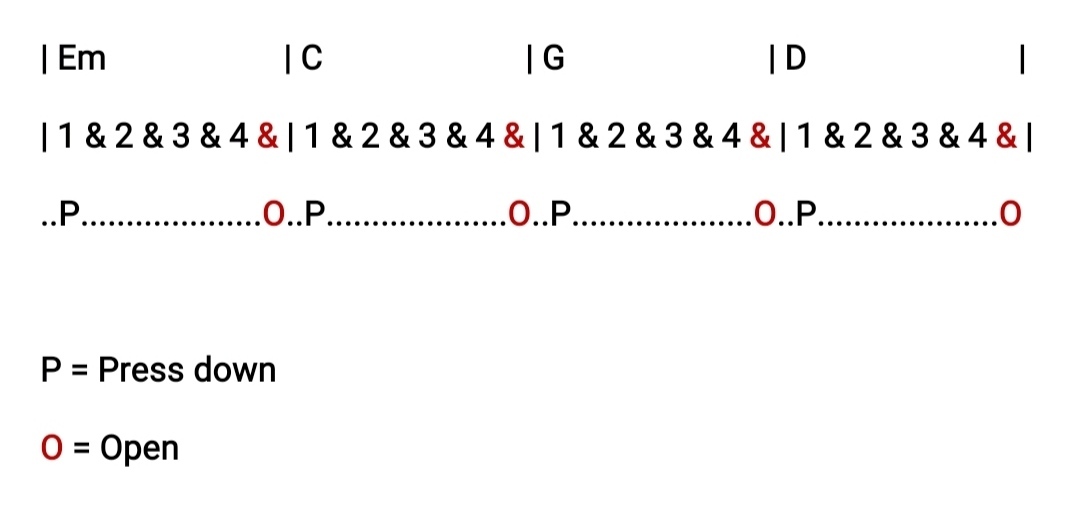
Maintaining your guitar is essential for ensuring that your chords remain clear and vibrant. Regular upkeep not only prolongs the lifespan of your instrument but also enhances your playing experience. This section covers the best practices for maintaining guitar strings and performing regular maintenance checks to achieve optimal sound quality.
Maintaining Guitar Strings for Optimal Sound
To achieve the best sound quality from your guitar, it is crucial to take good care of your strings. Proper maintenance helps preserve their tonal characteristics and playability. Begin by regularly cleaning your guitar strings after each use. A simple wipe-down with a soft, dry cloth removes sweat and oils, preventing corrosion and ensuring longevity. Consider using specialized string cleaners that can further enhance the strings’ lifespan.
Additionally, restringing your guitar regularly is vital. The frequency of changing strings can depend on how often you play, but a good rule of thumb is to change them every few weeks or sooner if they show signs of wear.
“Fresh strings contribute to clearer sound and improved sustain.”
Importance of Regular Guitar Maintenance for Clarity
Regular maintenance of your guitar significantly impacts the clarity of the sound produced. A well-maintained instrument not only allows for better tonal quality but also ensures that you avoid any technical issues that might arise from neglect.Routine checks should include the following:
Neck Adjustment
Ensuring the neck is properly adjusted can prevent buzzing and ensure even string height.
Fretboard Cleaning
A clean fretboard allows for smoother playing and enhances the overall tone.
Intonation Check
Ensuring that the guitar is in tune along the entire fretboard is crucial for clarity.The importance of maintenance cannot be overstated; it directly correlates with the quality of sound produced. A clean and properly setup guitar will always deliver better performance.
Checklist for Tuning and Setup Before a Performance
Preparation before a performance is key to achieving clear sound. A thorough checklist helps ensure that your guitar is in optimal condition. Here are essential items to include:
Tuning the Guitar
Always double-check your tuning prior to performing. Use a reliable tuner to ensure accuracy.
String Condition Inspection
Check for any signs of wear or damage on your strings. Replace if necessary.
Neck Relief Check
Assess the neck relief to ensure there is no excessive curvature that may cause buzzing.
Action Height Verification
Ensure the action (string height) is comfortable for playing and promotes clarity.
Fret Condition
Inspect the frets for wear or any irregularities that may affect playability.By adhering to this checklist, you can minimize issues during your performance and maintain the clarity of your sound. Remember, a well-prepared guitar is a performer’s best companion.
Analyzing Famous Songs
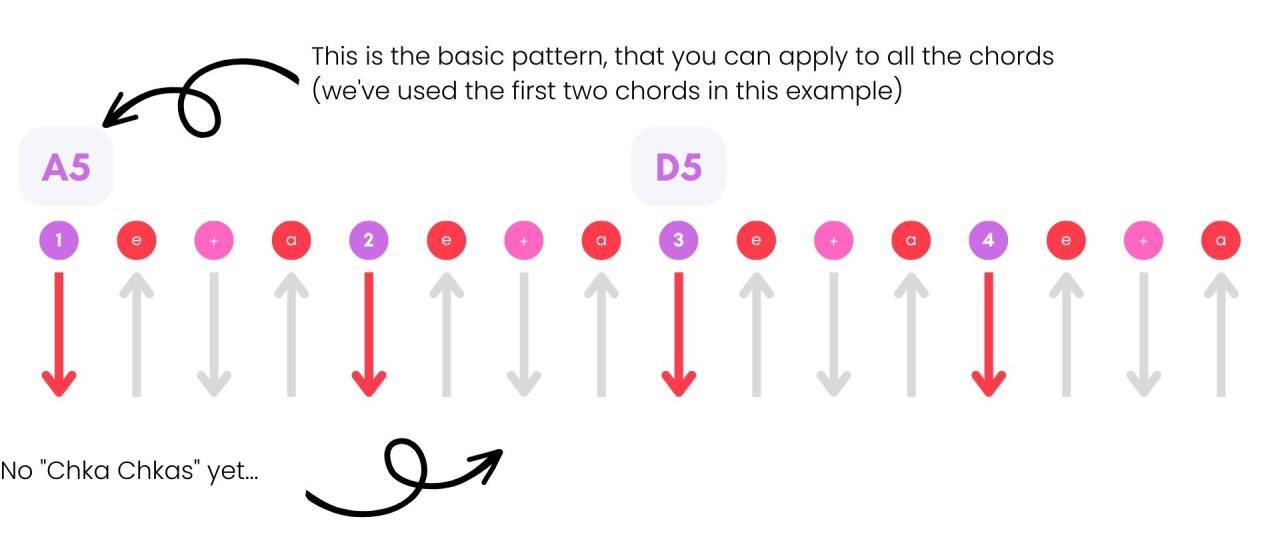
In the realm of music, certain songs stand out not only for their melody but also for the clarity of their chords. Examining these pieces can provide valuable insights into techniques that enhance chord clarity. By analyzing the methods employed in popular tracks, musicians can apply similar strategies to their own compositions, leading to improved sound quality and listener engagement.
One effective approach to understanding chord clarity is to identify specific songs that exemplify this quality. Many renowned artists have crafted pieces that showcase distinct chord sounds, revealing the techniques they employed to achieve such clarity. The following songs serve as excellent examples:
Examples of Songs with Clear Chord Sounds
The clarity of chords in a song can often be attributed to specific techniques or instrumental choices. Below are notable songs that demonstrate exceptional chord clarity, along with the techniques that contribute to their distinct sound qualities.
| Song Title | Artist | Chord Technique | Sound Quality |
|---|---|---|---|
| Blackbird | The Beatles | Fingerpicking | Bright and clear |
| Wonderwall | Oasis | Strumming with open chords | Warm and resonant |
| Fast Car | Tracy Chapman | Arpeggiated chords | Soft and melodic |
| Hotel California | The Eagles | Dual guitar harmonies | Rich and layered |
The techniques utilized in these songs play a crucial role in enhancing chord clarity. For instance, fingerpicking allows individual notes to ring out clearly, creating a distinct separation between chords. Similarly, the use of open chords in “Wonderwall” provides a warm resonance that captures the listener’s attention. In contrast, arpeggiated chords, as heard in “Fast Car,” lend a melodic softness that enhances the song’s emotional depth.
Such analyses not only highlight the importance of chord clarity in creating memorable music but also serve as a guide for musicians aiming to refine their craft. By incorporating similar techniques, artists can elevate their compositions, ensuring their chords resonate distinctly within every performance.
Common Mistakes to Avoid
When striving for clear and resonant chord sounds, musicians often encounter a variety of pitfalls that can lead to muted or unclear tones. Acknowledging these common mistakes is the first step toward achieving better chord clarity. This section will Artikel the typical errors and offer guidance on improving your technique for more vibrant sound production.
Common Pitfalls Leading to Muted Chords
There are several specific mistakes that musicians frequently make, which can result in muted chords. Addressing these missteps is essential for enhancing overall sound quality. Below are notable pitfalls:
- Incorrect Finger Placement: Placing fingers too far from the fret or not pressing down firmly can cause strings to buzz or mute.
- Inconsistent Pressure: Applying uneven pressure or lifting fingers too early can lead to unclear notes and dead sounds.
- Not Muting Unwanted Strings: Failing to mute strings that are not meant to be played can create an unpleasant noise, overshadowing desired chords.
- Poor Strumming Technique: Strumming too softly or inconsistently can result in weak sound production, making chords appear muted.
- Neglecting String Maintenance: Old or poorly maintained strings can dull the sound, causing chords to lack clarity.
Importance of Listening and Adjusting Techniques
Listening critically to your playing is vital for identifying issues with chord clarity. This practice allows musicians to detect whether chords resonate as intended or if they fall short. Adjustments based on auditory feedback are crucial for refining technique and improving overall sound quality. Musicians should regularly engage in self-assessment sessions to determine the clarity of their chords. Recording practice sessions can also be beneficial, as it provides an objective perspective on one’s sound.
This feedback loop encourages the implementation of necessary adjustments, ensuring that techniques evolve and improve.
Practices to Avoid Common Mistakes
To enhance chord clarity and circumvent typical mistakes, the following practices can be implemented:
- Consistent Practice: Regular and focused practice sessions help develop muscle memory, leading to better finger placement and pressure.
- Use of a Metronome: Playing with a metronome aids in maintaining a steady rhythm and encourages precise strumming.
- Finger Strength Exercises: Engaging in exercises designed to strengthen fingers can improve the ability to press strings firmly and accurately.
- Listening Skills Development: Incorporate active listening into practice, comparing your sound to recordings of skilled musicians for reference.
- Regular String Changes: Changing strings regularly ensures optimal sound production and helps maintain clarity over time.
Outcome Summary
In conclusion, mastering the art of clear chords is not merely about technical skill but also about understanding the nuances of sound production. By applying the techniques and insights presented in this guide, you will undoubtedly enhance your musical expression. Remember, the journey towards achieving clarity is ongoing and requires patience, practice, and a commitment to continual improvement. Strive to create rich, clear sounds that captivate your audience and bring your musical vision to life.