How to Bend a Guitar String Like a Pro is an essential skill for any guitarist looking to elevate their playing. String bending adds expressiveness and emotion to your music, allowing you to convey feelings that simple notes cannot. Understanding the mechanics behind bending, along with practicing the correct techniques, is vital for achieving fluid and impactful sound.
In this guide, we will explore the intricacies of string bending, from the various types, such as whole-step and half-step bends, to the importance of proper technique and equipment. Furthermore, we will delve into advanced bending techniques and the famous guitarists whose unique styles can inspire your own artistic journey.
Understanding Guitar String Bending
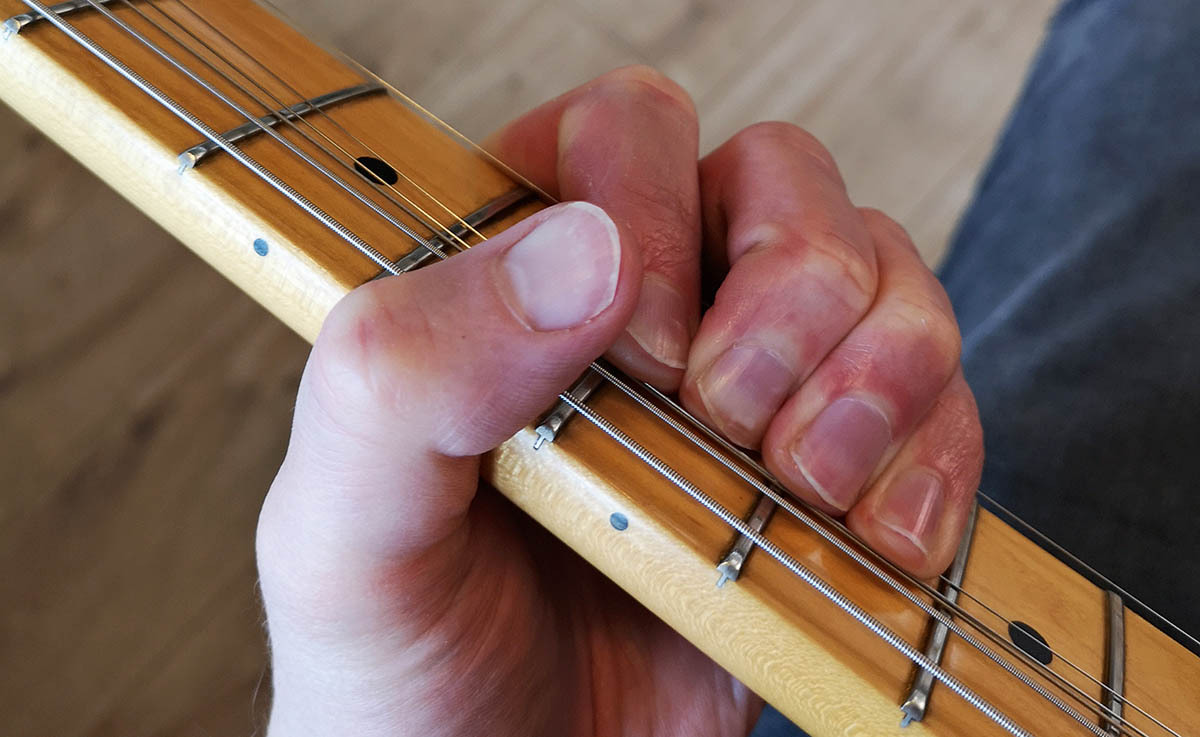
String bending is a fundamental technique in guitar playing that allows artists to produce expressive musical phrases. This technique adds emotion and character to solos and melodies. By manipulating the tension of the strings, players can achieve a wide range of expressive pitches, making it an essential skill for any guitarist.Bending a string involves physically pushing or pulling a string across the fretboard while pressing down on it.
This distorts the string’s pitch, raising it to a higher note depending on the extent of the bend. The mechanics behind string bending include the string’s tension and the player’s technique, which together create different bending effects. Bends can be categorized primarily into three types: whole-step bends, half-step bends, and micro-bends. Each type serves a unique purpose within musical phrasing.
Types of Bends
Understanding the different types of bends is crucial for developing a versatile bending technique:
Whole-Step Bends
This involves bending the string up a full step from the original pitch. For instance, if the string is fretted at the 7th fret, bending it up will raise the note from A to B. This type of bend is commonly used in solos for dramatic effect.
Half-Step Bends
A half-step bend raises the pitch by a semitone. For example, bending a note from the 7th fret (A) to the 8th fret (A#) gives a subtle yet impactful emotional lift. This kind of bend is often utilized for slide-like effects and creating tension within melodies.
Micro-Bends
These are slight bends that may be barely perceptible or used for subtle pitch variations. They add a nuanced quality to the playing style, often used in blues and jazz to convey moodiness or expressiveness without drastically changing the pitch.
Role of String Gauge and Tension
The string gauge, or thickness of the strings, significantly influences the ease and effectiveness of string bending. Lighter gauge strings require less effort to bend, making them ideal for players focusing on expressive techniques. However, they may lack the tonal depth and sustain that heavier gauge strings provide. Conversely, heavier gauge strings offer increased resistance and a fuller sound, but require more strength and control to bend effectively.
Players often choose their string gauge based on their playing style and bending preference, which directly affects their overall performance.String tension is another critical factor in the bending process. Higher tension strings produce greater resistance when bent, requiring more physical effort from the player. Conversely, lower tension strings are easier to manipulate but can lead to a loss of clarity or tone if over-bent.
Finding the right balance between gauge and tension is essential for achieving the desired bending effects while maintaining musical integrity.
“The essence of string bending lies in the delicate interplay between tension, gauge, and technique, enabling guitarists to express their musical voices.”
Proper Technique for Bending Strings
The ability to bend guitar strings effectively is a skill that elevates a guitarist’s playing style and expressiveness. Proper technique is essential to achieving smooth bends without straining your fingers or producing undesirable sounds. This section Artikels the correct hand and finger positioning, step-by-step practices for string bending, and common mistakes that beginners should avoid.
Hand and Finger Positioning
Correct hand and finger positioning is crucial for successful string bending. The following points Artikel the key aspects to ensure effective bends:
Use the correct fingers
Typically, the ring and middle fingers are used to bend the string, while the index finger can be used for additional support. This hand positioning allows for better control and leverage.
Position your thumb
The thumb should be placed behind the neck of the guitar for support. A strong grip with the thumb will help in executing bends accurately.
Anchor with the other fingers
The index finger can be used to anchor against a fret to stabilize the hand while bending with the other fingers.
Step-by-Step Practice for String Bends
Practicing string bends involves a systematic approach to ensure that you develop the necessary strength and technique. Follow these steps for effective practice:
1. Choose a string
Start with the 2nd or 3rd string as they are easier to bend.
2. Select a fret
Begin the bend at the 7th or 9th fret.
3. Position your fingers
Place your ring finger on the target note, with the middle and index fingers supporting it.
4. Bend the string
Push the string upwards or downwards, aiming to reach the note a whole step or half step higher.
5. Release and return
After reaching the target pitch, gently release the bend back to the original note.
6. Repeat
Practice this movement repeatedly to build muscle memory and control.
Common Mistakes Made by Beginners
Understanding the typical errors made during string bending can help you improve your technique. Here are some common pitfalls to be aware of:
Inadequate finger strength
Many beginners do not prepare their fingers adequately, which can lead to unsuccessful bends. Consistent practice will develop the necessary strength.
Incorrect pitch
Failing to hit the correct pitch when bending is common. One should constantly listen to the sound produced and adjust accordingly.
Over-bending or under-bending
Beginners often bend the string too much or not enough. It is crucial to practice the precise amount of bend needed for the desired note.
Poor hand position
Neglecting proper thumb and finger positioning can hinder effectiveness. Regular checks on hand position can help maintain technique.
Lack of patience
Mastery of string bending takes time. Rushing through the process can result in frustration and improper technique.
Proper string bending requires practice, patience, and attention to detail. Focus on developing your technique with consistency.
Using Vibrato in Combination with Bending
Incorporating vibrato while bending guitar strings can greatly enhance the expressiveness of your playing. This technique not only adds depth to individual notes but also transforms an ordinary bend into a profound musical statement. Mastering the combination of these elements allows guitarists to convey a wide range of emotions and elevate their performance to a professional level.The technique of applying vibrato during a bend involves a few key aspects that can significantly impact the overall sound.
When executed correctly, vibrato can emulate the nuances of the human voice, creating a more intimate connection with the listener. Vibrato can be applied after the string has been bent to pitch, and it involves oscillating the pitch slightly up and down, enhancing the emotional weight of the note being played. The effectiveness of this technique lies in the control and subtlety exercised during its execution.
Techniques for Combining Bends and Vibrato
To effectively incorporate vibrato into your string bending, focus on the following techniques:
1. Bend to the Desired Pitch
Ensure you bend the string accurately to reach the target note before initiating the vibrato.
2. Use a Controlled Motion
Maintain a steady and controlled motion while bending. The vibrato motion should be smooth and deliberate rather than erratic.
3. Vary the Depth of Vibrato
Experiment with the width of your vibrato; a wider vibrato creates a more dramatic effect, while a subtle vibrato can enhance the expressiveness of a softer phrase.
4. Integrate Vibrato Gradually
Start with small oscillations and gradually increase the intensity as you become more comfortable with the technique.By practicing these techniques, you will develop the skill to add vibrato to your bends effectively, allowing you to express a wider range of emotions in your music.
Emotional Impact of Vibrato in Music
Vibrato plays a crucial role in emotional expression within music. The subtle variations in pitch produced by vibrato can evoke feelings ranging from joy to melancholy. For instance, a quick and wide vibrato might convey excitement or urgency, while a slow and narrow vibrato can express sorrow or longing. Understanding the emotional connotations of vibrato allows guitarists to tailor their playing style to suit the mood of the piece.When combined with string bending, the emotional impact of vibrato is amplified.
The bends create tension, and the subsequent vibrato releases that tension, resulting in a more dramatic and evocative musical experience. This interplay between bending and vibrato can be likened to the nuances found in vocal performances, making it an essential tool for any guitarist seeking to enhance their expressiveness.
Exercises for Practicing Bends and Vibrato
To effectively practice combining bends and vibrato, consider the following exercises:
Exercise 1
Single Note Bend and Vibrato Select a note on the guitar, bend it to pitch, and then apply vibrato. Focus on achieving a clean bend followed by a steady vibrato.
Exercise 2
Scale-Based Bends with Vibrato Play through a scale, bending the third note of each scale degree and applying vibrato. This will help integrate the technique into your regular playing.
Exercise 3
Emotional Expression
Choose a slow ballad and identify specific notes where you want to emphasize emotion. Practice bending these notes and applying vibrato, experimenting with different depths and speeds of vibrato to see how it affects the overall feel.By incorporating these exercises into your practice routine, you will strengthen your ability to execute bends and vibrato seamlessly, leading to a more expressive and professional sound in your guitar playing.
Advanced Bending Techniques
In the journey to master guitar string bending, advanced techniques open a realm of expressive possibilities that can elevate your playing. Understanding how to incorporate pre-bending and release bends into your repertoire allows for greater nuance and emotional depth in your solos. Furthermore, the application of these techniques across various musical genres demonstrates their versatility and importance in guitar performance.
Pre-Bending and Release Bends
Pre-bending involves bending a string to a desired pitch before plucking it, then releasing the bend to return to the original pitch. This technique creates a unique sound that adds tension and release to musical phrases. To execute pre-bending effectively, follow these steps:
- Choose the target pitch on the guitar string and bend the string to that pitch.
- Pluck the string while it is still bent.
- Slowly release the bend, allowing the string to return to its original pitch.
This method is particularly effective in creating dramatic musical statements, especially in genres like blues where emotional expression is paramount.Release bends, on the other hand, begin by bending a string and then releasing it back to the original pitch. This technique emphasizes the transition from tension to relaxation, adding a vocal-like quality to the notes played. To practice this technique:
- Start with a bend to a target pitch.
- Pluck the string while it is bent.
- Gradually allow the string to return to its starting position without plucking again.
These advanced bending techniques are essential tools in a guitarist’s arsenal, enabling the creation of more expressive performances.
Application in Different Musical Genres
The use of bending techniques varies across musical styles, with each genre employing these techniques to convey specific emotions and themes. For instance, in blues music, bends often serve to express deep feelings of longing and sorrow. The emotional weight of a well-executed bend can be heard in the playing of legends like B.B. King and Stevie Ray Vaughan, who utilized these techniques to great effect.
In rock music, bending contributes to the overall intensity and excitement of a performance. Guitarists like Jimi Hendrix and Eric Clapton often used bends to deliver powerful solos filled with energy and flair. The ability to seamlessly integrate bends into a melodic line can set a rock solo apart from the rest.
Examples of Songs Utilizing Bending Techniques
Several iconic songs showcase advanced bending techniques, illustrating the impact of bending on musical expression. Below is a selection of well-known tracks that effectively incorporate bending:
- “The Thrill Is Gone” by B.B. King
-Features pre-bending techniques that convey deep emotion throughout the solo. - “Little Wing” by Jimi Hendrix
-Utilizes a combination of release bends and vibrato to create a dreamy, ethereal sound. - “Crossroads” by Cream
-Eric Clapton’s guitar work is laden with expressive bends that enhance the blues-rock vibe. - “Sweet Child O’ Mine” by Guns N’ Roses
-Slash employs bending techniques in the iconic intro, adding a signature flair to the melody.
Each of these songs demonstrates how advanced bending techniques can transform a simple melody into something profoundly expressive and memorable.
Tools and Equipment for String Bending
String bending is an essential technique in guitar playing that can be significantly influenced by the tools and equipment used. The right guitar setup, string type, and accessories can enhance your bending experience and improve your overall performance. This section will explore various tools and equipment that facilitate effective string bending and contribute to a more enjoyable playing experience.
Types of Guitars and Setups for Easier String Bending
The choice of guitar plays a crucial role in how easily a player can bend strings. Certain guitar designs and setups are better suited for string bending than others.
- Fender Stratocaster: Known for its tremolo system, the Stratocaster allows for smooth string bending, especially when combined with lighter gauge strings.
- Gibson Les Paul: This electric guitar typically features a shorter scale length, which can make bending strings less physically demanding.
- Jazz and Classical Guitars: While not traditionally associated with bending, these guitars can be set up with higher action and low-tension strings for easier manipulation.
- Setup Considerations: A professional setup can significantly impact string action and intonation, making it easier to bend notes without fret buzz.
Impact of String Types and Pick-Ups on Bending Performance
The type of strings and pick-ups on a guitar can directly affect its bending capabilities. Understanding these elements is vital for achieving optimal performance.
- String Gauge: Lighter gauge strings (e.g., .009 – .042) require less pressure to bend, making them ideal for beginners and those focusing on bending techniques.
- String Material: Nickel-plated steel strings tend to have a brighter tone and are often preferred for bending due to their flexibility and response.
- Pick-Ups: The type of pick-ups (single-coil vs. humbucker) influences tonal characteristics and sustain during bending. Single-coil pickups are known for their clarity, while humbuckers provide a thicker sound.
Recommended Tools for Aiding in Bending
Certain tools can enhance the string bending experience, making it easier to achieve desired sounds and techniques.
- Capos: A capo allows players to raise the pitch of strings without the need for extensive bending, making it easier to play in different keys while maintaining familiar finger positions.
- String Winders: These tools are essential for quickly changing strings, ensuring that you have optimal tension and tuning stability, which directly influences bending capabilities.
- String Conditioners: Regularly conditioning your strings can prolong their life, maintain their flexibility, and improve the overall feel when bending.
Practice Routines for Mastering String Bending
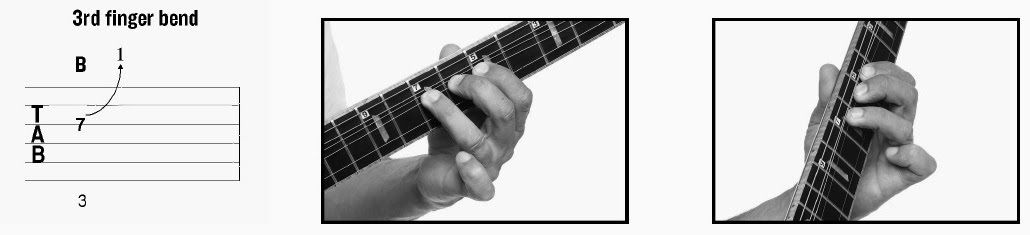
A well-structured practice routine is essential for developing proficiency in string bending techniques on the guitar. By incorporating specific exercises and focusing on gradual improvement, players can enhance their skills and achieve a professional level of string bending. This segment will Artikel a comprehensive routine that emphasizes warm-up exercises, targeted practice, and effective tracking of progress.
Warm-Up Sequence for Bending Exercises
A proper warm-up sequence is vital for preparing the fingers and hands for the physical demands of string bending. The following exercises can be performed daily to establish control and strength in the fingers:
- Finger Stretching: Begin by stretching each finger individually, followed by stretching all fingers together. This helps to promote flexibility and prevent injury.
- Basic Bending Exercise: Choose a note on the first string (e.g., 7th fret) and bend it up a whole step. Hold the bend for a count of four, then release. Repeat this for each fret, ascending and descending the neck.
- Controlled Bends: Practice bending the G string (3rd string) to achieve a half-step and full-step bend. Focus on maintaining pitch accuracy while bending.
- Combination Bending: Combine bends with other techniques, such as hammer-ons and pull-offs. For instance, play a note, bend it, and then pull off to a lower note.
Tracking Progress and Setting Goals
Establishing a systematic approach to tracking progress and setting achievable goals is crucial for continual improvement in string bending. Consider the following strategies:
- Maintain a Practice Journal: Document daily practice sessions, noting the exercises performed, duration, and any challenges faced. This provides insight into growth and areas needing attention.
- Set Specific Goals: Define short-term and long-term goals, such as mastering a particular bend or achieving consistency over a series of frets. Make sure goals are realistic and measurable.
- Record Practice Sessions: Use audio or video recordings to capture practice sessions. Listening back aids in identifying areas of improvement and reinforces the desire to refine skills.
- Seek Feedback: If possible, collaborate with a fellow guitarist or instructor for constructive criticism and new perspectives on technique and execution.
Famous Guitarists and Their Bending Styles

The art of string bending is a hallmark of expressive guitar playing, and some of the most renowned guitarists have developed unique techniques that have contributed to their signature sounds. This section explores the bending styles of several iconic musicians, examining what sets their approaches apart and highlighting key songs that exemplify their bending techniques.
Eric Clapton
Eric Clapton is renowned for his expressive string bending, which often conveys a deep emotional quality. His approach typically involves bending strings a whole step or more, allowing for a “crying” effect that resonates in his music. Clapton’s bends are not just about the pitch but are infused with vibrato, which adds richness to his sound. A quintessential example of his bending style can be heard in the song “Crossroads,” where his guitar solos feature dramatic bends that capture the essence of blues.
Jimi Hendrix
Jimi Hendrix revolutionized guitar playing, and his bending style is a testament to his innovative spirit. Hendrix often employed a combination of aggressive bends and rapid-fire vibrato, creating a unique texture in his solos. His use of the thumb to fret notes allowed him to bend multiple strings simultaneously, adding complexity to his performance. The track “The Wind Cries Mary” showcases Hendrix’s bending techniques, where his expressive bends serve to enhance the lyrical quality of the song.
Stevie Ray Vaughan
Stevie Ray Vaughan’s bending style is deeply rooted in Texas blues, characterized by his heavy gauge strings and powerful finger strength. Vaughan often bends strings to pitch with remarkable precision, creating a bold and dynamic sound. His bends are frequently accompanied by a strong sense of rhythmic pulse, making them integral to his solos. A prime example of his bending prowess can be found in “Pride and Joy,” where the opening riff features signature bends that are both powerful and melodic.
Mark Knopfler
Mark Knopfler’s fingerstyle technique sets him apart, and his approach to bending strings is subtle yet highly effective. He employs a lighter touch, often bending notes slightly to create a delicate expressiveness. Knopfler’s bends are less aggressive and serve to enhance the melodic lines in his playing. The song “Sultans of Swing” exemplifies his unique bending style, as the bends are intricately woven into the fabric of the song’s narrative.
David Gilmour
David Gilmour is celebrated for his emotive guitar solos, often employing bending techniques that evoke a sense of longing and contemplation. Gilmour’s bends are typically executed with a smoothness that complements his melodic phrasing. His use of sustain and vibrato further enhances the emotional impact of his bends. “Comfortably Numb” is a seminal example of his bending style, where soaring bends take center stage, elevating the song to iconic status.
Comparison of Bending Techniques
The bending techniques of these legendary guitarists reflect their distinctive musical backgrounds and styles. While Clapton and Vaughan may emphasize power and intensity in their bends, Hendrix and Knopfler favor a more intricate and nuanced approach. Gilmour’s emotional bends contrast with the dynamic expressions of Clapton, illustrating the diversity of string bending in guitar playing. The following table summarizes key characteristics of each guitarist’s bending style:
| Guitarist | Style Characteristics | Signature Song |
|---|---|---|
| Eric Clapton | Whole step bends, expressive vibrato | Crossroads |
| Jimi Hendrix | Aggressive bends, rapid vibrato, thumb fretting | The Wind Cries Mary |
| Stevie Ray Vaughan | Heavy gauge strings, precision bends, rhythmic pulse | Pride and Joy |
| Mark Knopfler | Light touch, subtle bends, melodic enhancement | Sultans of Swing |
| David Gilmour | Smooth bends, emotional phrasing, sustain | Comfortably Numb |
Final Thoughts
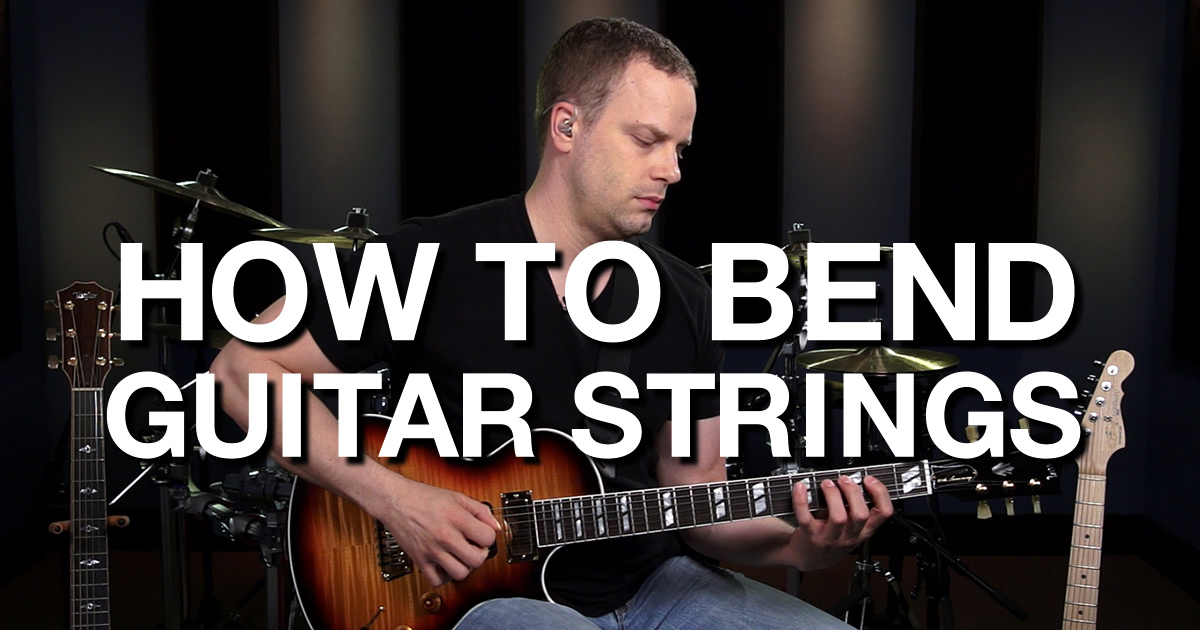
Mastering the art of bending guitar strings is a journey that not only enhances your playing but also deepens your connection to music. By incorporating the techniques discussed, including vibrato and advanced bending methods, you will be well on your way to becoming a more expressive guitarist. Remember to practice diligently, learn from the greats, and infuse your personal style into every bend.