How to Communicate with a Drummer Musically opens doors to a world where rhythm meets harmony, inviting musicians to explore the essential role of drummers in various musical ensembles. Understanding the unique contributions of drummers not only enhances collaboration but also enriches the overall musical experience. This guide aims to illuminate effective communication techniques and strategies that foster a seamless interaction between instrumentalists and drummers, ultimately leading to more cohesive and dynamic performances.
Delving into the fundamental responsibilities of drummers, the various styles of drumming, and key communication methods allows musicians to share ideas fluidly. By embracing the nuances of musical dialogue and collaborative practices, instrumentalists can significantly improve their synergy with drummers, enhancing both rehearsals and live performances.
Understanding the Role of a Drummer
The drummer serves as the backbone of a musical ensemble, providing rhythm, tempo, and dynamic structure that supports the overall sound. The responsibilities of a drummer extend beyond mere timekeeping; they are essential for establishing the feel and energy of a performance. Understanding these fundamental roles is crucial for effective musical communication within any group setting.The fundamental responsibilities of a drummer encompass maintaining rhythm, supporting other musicians, and enhancing the musical narrative.
Drummers must demonstrate technical proficiency and adaptability across various musical styles, from rock and jazz to classical and funk. Their ability to communicate through rhythm contributes significantly to the emotional impact of the music. Additionally, drummers often work closely with the bass player to form a solid foundation that guides the harmonic structure of a piece.
Different Styles of Drumming and Their Impact on Music Genres
The diversity of drumming styles is a vital aspect of their contribution to different music genres. Each style brings unique characteristics and techniques that influence the overall sound and feel of the music.The following are key drumming styles and their impacts:
- Rock Drumming: Characterized by a steady backbeat, rock drumming emphasizes the snare on the second and fourth beats. Notable drummers like John Bonham of Led Zeppelin showcased powerful, driving rhythms that became iconic in rock music.
- Jazz Drumming: Jazz drummers utilize complex rhythms and syncopation to enhance improvisational aspects of the genre. The innovative techniques of drummers such as Buddy Rich have shaped modern jazz drumming, contributing to its dynamic expressiveness.
- Latin Drumming: In Latin music, drummers incorporate intricate patterns and polyrhythms, often involving hand percussion instruments. Drummers like Giovanni Hidalgo illustrate how these rhythms infuse energy and complexity into salsa and other Latin styles.
- Funk Drumming: Funk drumming relies heavily on syncopation and intricate hi-hat patterns, maintaining a groovy, danceable rhythm. Drummers such as Clyde Stubblefield, known for his work with James Brown, have left a lasting impact on the funk genre.
- Metal Drumming: Metal drummers are known for their speed and technical prowess, often employing double bass drumming techniques to achieve aggressive rhythms. Notable figures such as Mike Portnoy have pushed the boundaries of drumming in this genre, combining complex time signatures with powerful dynamics.
The contributions of these drummers not only define their respective genres but also inspire countless musicians worldwide. Each style has distinct features that serve different musical narratives, showcasing the drummer’s versatility and creativity in the ensemble.
“The drummer is not just a timekeeper; they are the pulse of the music, driving it forward and giving it life.”
Effective Communication Techniques
In the realm of music, effective communication between musicians is essential for creating harmonious and engaging performances. When interacting with drummers, both verbal and non-verbal methods play crucial roles in conveying musical ideas. Understanding the nuances of these techniques will enable musicians to foster a collaborative environment that enhances creativity and expression.Verbal communication with drummers often involves clear and concise instructions regarding dynamics, tempo, and stylistic preferences.
In contrast, non-verbal cues such as gestures, eye contact, and body language can significantly influence the exchange of musical ideas. The ability to effectively communicate both verbally and non-verbally fosters a strong connection, essential for achieving a coherent sound.
Key Verbal and Non-Verbal Communication Methods
Utilizing a combination of verbal and non-verbal communication methods allows musicians to engage drummers effectively. The following points highlight some essential communication methods:
- Clear Instructions: Providing straightforward cues regarding desired rhythms or fills ensures that drummers grasp the intended musical direction.
- Visual Cues: Using hand signals, such as raised hands for a crescendo or a downward gesture for a decrescendo, can guide drummers intuitively.
- Body Language: Maintaining an open posture and making eye contact helps to create a supportive atmosphere, encouraging drummers to respond musically.
- Active Listening: Engaging with the drummer’s playing by nodding or responding with your instrument promotes a reciprocal musical dialogue.
Using Dynamics and Tempo Changes
Dynamics and tempo are vital in expressing musical ideas effectively. They can be employed as tools to communicate emotions and transitions within a piece. Understanding how to manipulate these elements can lead to powerful musical exchanges. Here are critical considerations:
- Dynamic Contrast: Varying dynamics creates tension and release within music. Indicating a soft verse and transitioning to a loud chorus, for example, can energize the performance.
- Tempo Markings: Clearly articulating tempo changes, such as accelerating into a climactic section or slowing down for a reflective moment, guides the drummer in aligning their rhythm with the overall feel of the piece.
- Gradual Changes: Employing gradual crescendos or rubato passages allows musicians to explore nuances and react to each other’s playing organically.
Establishing a Musical Dialogue through Call and Response Techniques
Call and response is a fundamental technique that fosters interaction and engagement between musicians. This method encourages spontaneity and creativity, particularly between a musician and a drummer. Here are ways to implement this technique:
- Musical Phrasing: Establishing a clear phrase for the ‘call’ allows the drummer to respond with an appropriate ‘response,’ creating a back-and-forth dynamic.
- Rhythmic Patterns: Introducing a rhythmic motif can serve as a foundation for the drummer to build upon, enhancing the overall texture of the music.
- Improvisation: Allowing space for improvisation during the response encourages the drummer to explore their creativity while maintaining cohesion within the group.
Effective communication is the cornerstone of a successful musical collaboration, enabling musicians to create a unified and compelling performance.
Collaborating with a Drummer

Collaboration between musicians is essential for a cohesive sound, and the drummer plays a pivotal role in this dynamic. Establishing a strong partnership with a drummer can greatly enhance the overall quality of any musical piece. Effective collaboration requires understanding, communication, and a willingness to experiment with ideas.When working with a drummer, it’s important to cultivate an environment where musical ideas can be shared freely.
This involves not only verbal communication but also non-verbal cues and a good grasp of each other’s musical language. Creating a collaborative atmosphere during rehearsals can lead to innovative arrangements and unique sounds.
Methods for Sharing Musical Ideas and Arrangements
An effective method for sharing musical ideas with a drummer includes structured approaches that allow both parties to express their creativity. Here are several techniques to facilitate this process:* Use of Musical Notation: Providing sheet music or lead sheets can help convey complex ideas quickly. Notation allows the drummer to understand the rhythmic structures and dynamics intended in a composition.* Demonstration and Playthroughs: Playing through sections together can clarify intentions.
This allows the drummer to hear how their part fits within the larger arrangement, encouraging immediate feedback and adjustments.* Recording Sessions: Utilizing a simple recording device during rehearsals can capture musical ideas for later analysis. Listening back can spark new ideas and highlight areas that require modification.* Rhythmic Exercises: Engaging in rhythmic exercises together can foster a deeper understanding of each other’s playing styles.
Exploring various grooves can inspire creative developments and adaptations in the overall arrangement.* Frequent Check-ins: Establish routine moments during rehearsals to discuss what is working and what could be improved. This fosters transparency and promotes a shared vision for the music.* Encouraging Spontaneity: Allowing space for improvisation can lead to unexpected musical discoveries. Encouraging the drummer to experiment with different patterns can inspire new ideas and enrich the overall sound.Successful collaborations often stem from mutual respect and understanding of each other’s contributions.
Examples of Successful Band Dynamics with Strong Drummer Relationships
Many renowned bands exemplify the power of effective drummer relationships in their music. A few notable examples include:
The Beatles
Ringo Starr’s drumming style and innovative approach to rhythm were integral to the band’s signature sound. His collaborations with the other members allowed for creative experimentation, resulting in classics like “Come Together” where the drums set a distinctive groove.
Nirvana
Dave Grohl’s collaboration with Kurt Cobain showcased how a drummer can shape the band’s overall energy. Their partnership was characterized by open communication and a shared vision that propelled hit songs like “Smells Like Teen Spirit.”
Queen
Roger Taylor’s dynamic drumming played a crucial role in Queen’s theatrical sound. His ability to collaborate and adapt to different styles contributed to the band’s iconic status and their memorable tracks, such as “Bohemian Rhapsody.”
Coldplay
Will Champion’s drumming and ability to communicate ideas clearly with Chris Martin and Jonny Buckland helped to develop the band’s distinctive sound. Their collaborative efforts are evident in songs like “Clocks,” where rhythm plays a crucial role in building the song’s atmosphere.Through these examples, it’s evident that a strong relationship with the drummer significantly enhances the creative process and overall musical output.
Building such dynamics involves continuous communication, collaboration, and respect for each other’s artistry.
Musical Notation and Drumming
Understanding musical notation is essential for effective communication with drummers. It allows musicians to convey rhythmic ideas clearly and succinctly, ensuring everyone is on the same page. By mastering drum notation, musicians can enhance their collaborative efforts, resulting in cohesive performances.Reading and writing drum notation involves familiarizing oneself with the symbols used to represent different drum sounds and rhythms. Drum notation typically employs a five-line staff, where each line and space corresponds to a different drum or cymbal.
The following key components are crucial for effective drum notation:
Basics of Drum Notation
Drum notation utilizes specific symbols to represent various percussion instruments and techniques. Understanding these symbols is critical for effective communication with drummers. Below are some of the fundamental elements of drum notation:
- Staff: The five lines and four spaces on which notes are placed.
- Note Heads: Represent different drums; for instance, a note on the bottom space typically represents the bass drum, while notes on the second line might indicate the snare drum.
- Rests: Indicate pauses in the rhythm, essential for maintaining timing and dynamics.
- Accents: Indicated by a small symbol above or below a note to signify a stronger or louder hit.
The importance of sheet music and charts extends beyond mere notation; they serve as a roadmap for the entire band. Coordinating with a drummer through well-prepared charts enhances the rehearsal process and ensures a tight performance. Charts can communicate song structure, dynamics, and specific cues, allowing drummers to interpret their role within the broader musical context effectively.
Common Drum Patterns
Drum patterns form the backbone of many songs across various genres. Familiarizing oneself with common drum patterns can facilitate better collaboration with drummers. Below are some widely recognized patterns along with their contexts:
- Basic Rock Beat: A simple yet powerful pattern consisting of bass drum hits on the 1 and 3 beats, and snare hits on the 2 and 4, providing a solid foundation for rock music.
- Shuffle Beat: This pattern incorporates a swing feel, typically featuring a bass drum on the 1, snare on the 2 and 4, and a triplet rhythm, commonly found in blues and jazz.
- Bossa Nova: Characterized by its syncopated rhythms, this pattern consists of a soft bass drum on the 1 and 3, with a cross-stick snare on the 2 and 4, prevalent in Latin music.
- Hip-Hop Groove: Often includes a kick on the 1, snare on the 2 and 4, and hi-hats in a steady eighth-note pattern, creating a laid-back feel typical in hip-hop tracks.
Each of these patterns illustrates how drummers contribute to the overall texture and rhythm of a song. Understanding these patterns allows musicians to provide clearer directions and expectations, fostering a collaborative environment that enhances the musical experience.
Practicing Together

Effective collaboration between instrumentalists and drummers is essential for creating cohesive music. By practicing together, musicians can develop a shared understanding of rhythm, dynamics, and tempo, leading to a more polished and unified performance. A structured practice routine that includes both parties can significantly enhance the overall musical experience.Incorporating a well-designed practice routine ensures that both instrumentalists and drummers are on the same page regarding their roles and contributions.
A routine that balances individual practice with group sessions can foster better synchronization and communication. Consider the following components to create an effective practice routine:
Integrated Practice Routine Design
A successful practice routine should encompass various elements that encourage collaboration and individual improvement. The following components can be included:
- Warm-up Exercises: Start with basic rhythmic patterns and scales that both drummers and instrumentalists can play together to establish a foundation.
- Timekeeping Sessions: Utilize metronomes or click tracks to maintain consistent tempo and enhance timing accuracy during practice.
- Song Review: Select specific pieces to work on, breaking them down into sections for focused practice. This helps both parties understand their parts within the whole composition.
- Improvisation: Allow time for free-form playing, where instrumentalists can experiment with melodies while drummers explore different rhythmic patterns.
- Feedback Sessions: Allocate time for constructive criticism to help each musician understand their strengths and areas for improvement.
Role of Metronomes and Click Tracks
Metronomes and click tracks are invaluable tools for synchronizing with drummers, providing a consistent tempo reference that enhances timing and rhythm accuracy. Their role in practice cannot be overstated, as they help musicians develop a stronger sense of timing and coordination.Utilizing these tools can lead to significant improvements in ensemble playing. Here are key points regarding their use:
- Consistency: Metronomes provide a steady pulse, allowing drummers and instrumentalists to lock into a groove and maintain tempo throughout the rehearsal.
- Dynamic Control: Click tracks can be adjusted for different tempos and time signatures, which aids in rehearsing complex musical passages.
- Listening Skills: Practicing with a metronome encourages musicians to listen more attentively to their timing relative to others, fostering better overall coordination.
- Gradual Tempo Increase: Musicians can use these tools to start slowly and gradually increase the tempo, ensuring mastery of difficult sections.
Constructive Feedback in Joint Practice
Providing constructive feedback during joint practice sessions is crucial for fostering a positive and productive musical environment. Effective feedback not only improves individual performance but also strengthens the collaborative dynamic.Here are several strategies to deliver constructive feedback effectively:
- Be Specific: Focus on particular aspects of the performance, whether it’s timing, dynamics, or phrasing, rather than general comments.
- Positive Reinforcement: Highlight what was done well before addressing areas for improvement, helping to maintain morale and motivation.
- Encourage Dialogue: Create an open atmosphere where feedback can be reciprocated, allowing both drummers and instrumentalists to express their perspectives.
- Use Recordings: Recording practice sessions can provide valuable insights, enabling musicians to hear their performance and identify areas that need attention.
“The power of collaboration lies in open communication and shared dedication to improvement.”
Understanding Groove and Rhythm
The concept of groove is fundamental to the art of music, particularly in genres that rely heavily on rhythm, such as jazz, rock, and funk. Groove can be described as the feel or swing of the music, which is largely dependent on the rhythm laid down by the drummer. A well-defined groove creates a cohesive sound that invites musicians and listeners alike to engage with the music on a deeper level.
Understanding how to connect with a drummer’s groove can elevate a performance significantly, enhancing not only the music but also the collaborative experience among musicians.At its core, rhythm is the backbone of musical expression. The drummer acts as the timekeeper, establishing a foundation upon which other musicians build their melodies and harmonies. Locking in with the drummer’s rhythm ensures that all components of a performance work in concert rather than competing against one another.
Here, we explore the significance of groove, tips for aligning with a drummer’s rhythm, and provide a list of rhythmic exercises to help instrumentalists synchronize with drummers effectively.
Significance of Groove in Music
Groove is crucial for several reasons, influencing both the dynamic and emotional impact of a performance. A strong groove engages listeners, inviting them to respond physically, whether through dancing or tapping their feet. Drummers are essential in crafting this groove, as they establish the tempo and rhythmic patterns that form the foundation of a song.
“The groove is the heart of music; it drives the energy and shapes the sonic landscape.”
Tips for Locking in with a Drummer’s Rhythm
Achieving a cohesive performance necessitates that instrumentalists align with the drummer’s rhythm. Here are several tips for successfully locking in with a drummer:
Active Listening
Focus intently on the drummer’s playing to better understand their feel and timing.
Maintain Eye Contact
Establishing visual communication can enhance synchronization and responsiveness during a performance.
Utilize Subdivisions
Count the beats and subdivisions to internalize the rhythm, which helps in aligning your playing with the drummer’s tempo.
Establish a Reference Point
Choose a specific element of the drum part, like the kick drum or snare, to anchor your playing.
Be Open to Adjustments
Flexibility in your playing allows for real-time adjustments that complement the drummer’s performance.
Rhythmic Exercises for Instrumentalists
Engaging in rhythmic exercises with a drummer can significantly bolster your ability to lock in with their groove. Below are several exercises that can be practiced:
Call and Response
The drummer plays a rhythm, and the instrumentalist replicates it, fostering an understanding of the groove.
Metronome Practice
Play along with a metronome, starting at a slow tempo and gradually increasing speed while maintaining tightness with the drummer.
Syncopation Exercises
Practice syncopated patterns that challenge your timing and ability to fit within the drummer’s groove.
Polyrhythmic Play
Explore polyrhythms by playing a contrasting rhythm while the drummer maintains a steady beat, enhancing your rhythmic independence.
Groove Transcriptions
Study and transcribe well-known grooves from various genres, then practice them with your drummer to build a broader rhythmic vocabulary.By engaging in these exercises and actively working on the tips provided, instrumentalists can develop a stronger connection with drummers, resulting in more dynamic and engaging performances.
Exploring Improvisation with Drummers
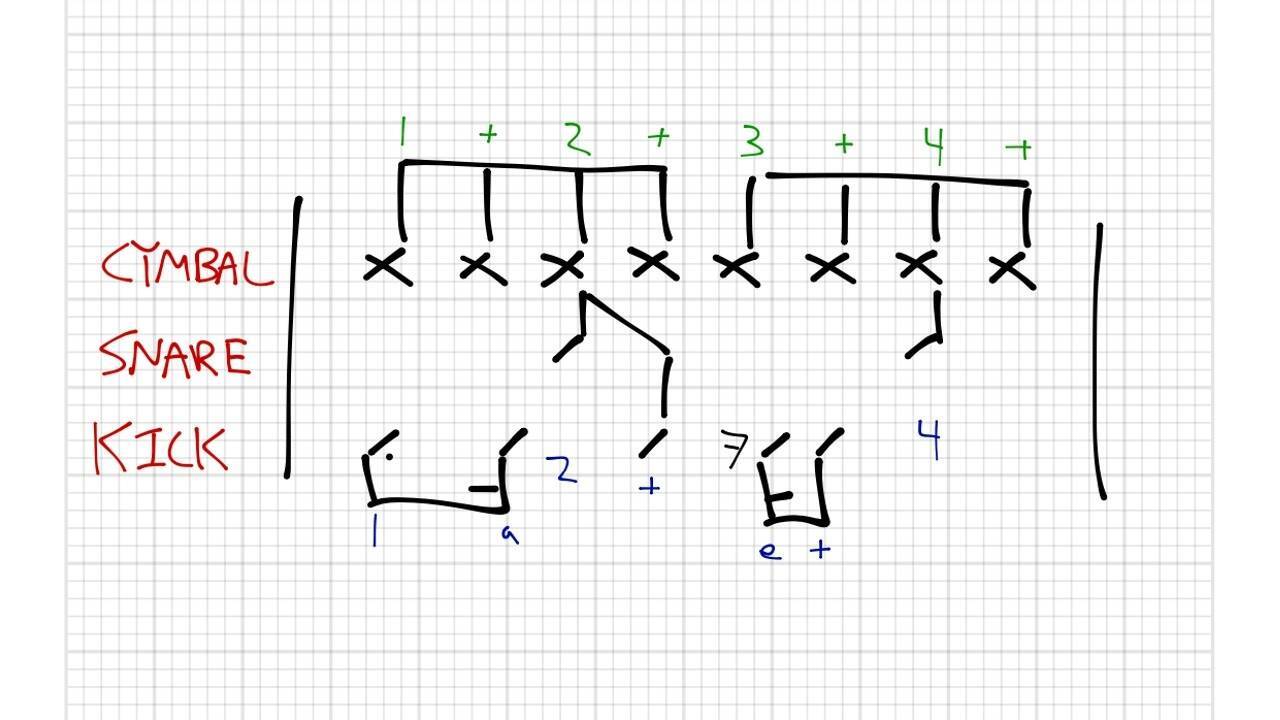
Improvisation serves as a fundamental aspect of musical creativity, especially in collaborative settings involving drummers. The dynamic nature of improvisation allows musicians to express themselves freely, fostering a rich dialogue between instruments. Engaging in jam sessions with drummers can lead to spontaneous musical ideas and unique rhythmic explorations, making it essential for musicians to understand various strategies to enhance this creative process.Effective improvisation requires a solid foundation of listening skills and an intuitive understanding of musical cues.
Musicians can benefit from being attuned to the drummer’s rhythmic patterns and subtle changes in dynamics. This section will delve into approaches that enhance improvisational conversations during jam sessions with drummers, focusing on techniques that promote creativity and spontaneity.
Approaches to Improvising Together in Jam Sessions
When musicians enter a jam session, the goal is often to create a collaborative musical experience that is fluid and engaging. Establishing a shared sense of musicality relies heavily on several key practices:
- Establish a Common Groove: At the onset of a jam, creating a foundational groove can set the tone for the session. This allows all musicians to anchor their improvisations around a central rhythm.
- Utilize Call and Response: Musicians can engage in a call and response format, where one musician presents a musical idea and the drummer responds with a rhythmic variation or embellishment. This encourages organic interaction between players.
- Incorporate Dynamic Variation: Changing the intensity and volume of playing encourages a more expressive improvisation. Musicians should pay attention to the drummer’s dynamics and react accordingly.
- Experiment with Time Signatures: Introducing different time signatures can provide fresh challenges and inspire creativity. Musicians should remain flexible and embrace the rhythmic shifts introduced by the drummer.
The essence of improvisation is rooted in the interplay between musicians. Listening attentively and responding to the drummer’s cues can transform a simple jam into a memorable musical journey.
“Improvisation is not the product of creative thought; it is the product of active listening.”
Encouraging Creativity and Spontaneity
Fostering an environment where creativity thrives is crucial during improvisational sessions. Various techniques can inspire spontaneity and enhance collaborative efforts with drummers:
- Set the Mood: Creating a relaxed atmosphere promotes openness. Musicians should feel comfortable taking risks without fear of judgment.
- Use Space Wisely: Allowing moments of silence or sparse playing can lead to unexpected musical ideas. Space encourages both the drummer and other musicians to explore new territories.
- Introduce New Influences: Drawing from diverse genres or styles can inspire fresh ideas. Musicians may incorporate elements from jazz, funk, or world music to invigorate their improvisation.
- Encourage Experimentation: Musicians should feel liberated to try out unconventional sounds or techniques. Exploration can lead to surprising results that enrich the musical dialogue.
By implementing these strategies, musicians can cultivate an improvisational environment that is both inspiring and fruitful.
“The heart of improvisation lies in the ability to listen and adapt.”
The Importance of Listening and Responding to Drummer’s Cues
Listening is the cornerstone of effective improvisation, particularly when collaborating with drummers. The cues provided by the drummer are vital for guiding the overall direction of the music. Musicians should focus on several aspects to enhance their responsiveness:
- Rhythmic Changes: Observing subtle shifts in the drummer’s rhythm can signal opportunities to alter one’s own playing style or phrasing.
- Dynamic Indicators: Changes in volume or intensity from the drummer often suggest a transition in the musical narrative that musicians should follow.
- Visual Cues: Body language can convey intent. Drummers often use gestures to indicate changes in tempo or time signature, which musicians should be ready to recognize and respond to.
- Emotional Tone: The emotional quality of the drummer’s playing can set the mood for the improvisation. Musicians should aim to match or complement this emotional direction.
Ultimately, the ability to listen attentively and respond to a drummer’s cues elevates the improvisational experience, creating a rich tapestry of sound that engages both the performers and the audience.
Conclusion

In conclusion, mastering the art of musical communication with drummers not only strengthens the bond within a band but also elevates the quality of music produced. By understanding groove, rhythm, and improvisational techniques, musicians can create a vibrant atmosphere that encourages creativity and spontaneity. Ultimately, fostering effective communication with drummers transforms musical interactions into an engaging and enriching experience for all involved.