How to Use a Metronome to Improve Your Timing is a key skill for any musician looking to enhance their rhythmic precision and overall musicality. The metronome has been an essential tool for musicians since its invention, evolving from mechanical devices to sophisticated digital apps. Understanding its functionality and integrating it into practice routines can significantly elevate one’s timing, making it an invaluable asset for beginners and advanced players alike.
In this discussion, we will explore the history of the metronome, examine various types available today, and provide step-by-step instructions on setting it up for effective practice. Additionally, we will delve into techniques for utilizing a metronome across different skill levels, incorporating it into scales, improvisation, and structured practice sessions to foster consistent progress.
Understanding the Metronome
The metronome is an essential tool for musicians, aiding in the development of timing and rhythm. Its historical significance and technological evolution highlight its importance in music education and practice. This section will delve into the history, types, and key terminology associated with metronomes, providing a comprehensive understanding of their role in musical training.The metronome’s history dates back to the early 19th century, with the first mechanical version created by Johann Maelzel in 1815.
Maelzel’s design included a pendulum that produced audible clicks at regular intervals, allowing musicians to practice at a consistent tempo. Over the years, the metronome has undergone significant evolution, from its initial mechanical designs to modern digital versions and applications, each contributing to the accessibility and versatility of tempo training.
Types of Metronomes
The variety of metronomes available caters to different preferences and technological advancements in music practice. The following details the common types of metronomes:
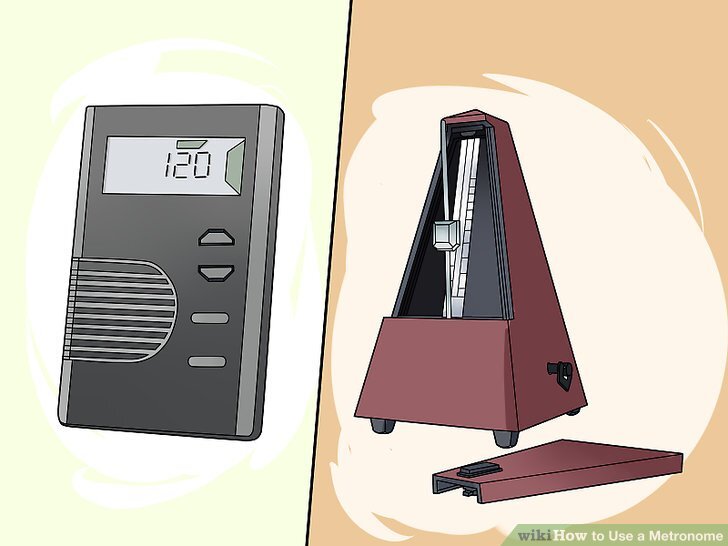
- Mechanical Metronomes: These traditional devices use a swinging pendulum to produce audible ticks. They are often favored by classical musicians for their tactile response and nostalgic appeal.
- Digital Metronomes: Digital models provide greater flexibility, offering features such as adjustable volume, different sound patterns, and visual indicators. They can include programmable settings for various time signatures.
- App-based Metronomes: With the rise of smartphones, numerous metronome applications are now available. These apps often include advanced features like built-in rhythm patterns, the ability to create custom tempos, and integration with other musical tools.
Common Terminology of Metronome Use
Understanding the terminology associated with metronome use is crucial for effective practice. Key terms include:
- Beats Per Minute (BPM): This unit measures the tempo of a piece of music, indicating how many beats occur in one minute. A higher BPM represents a faster tempo, while a lower BPM indicates a slower pace.
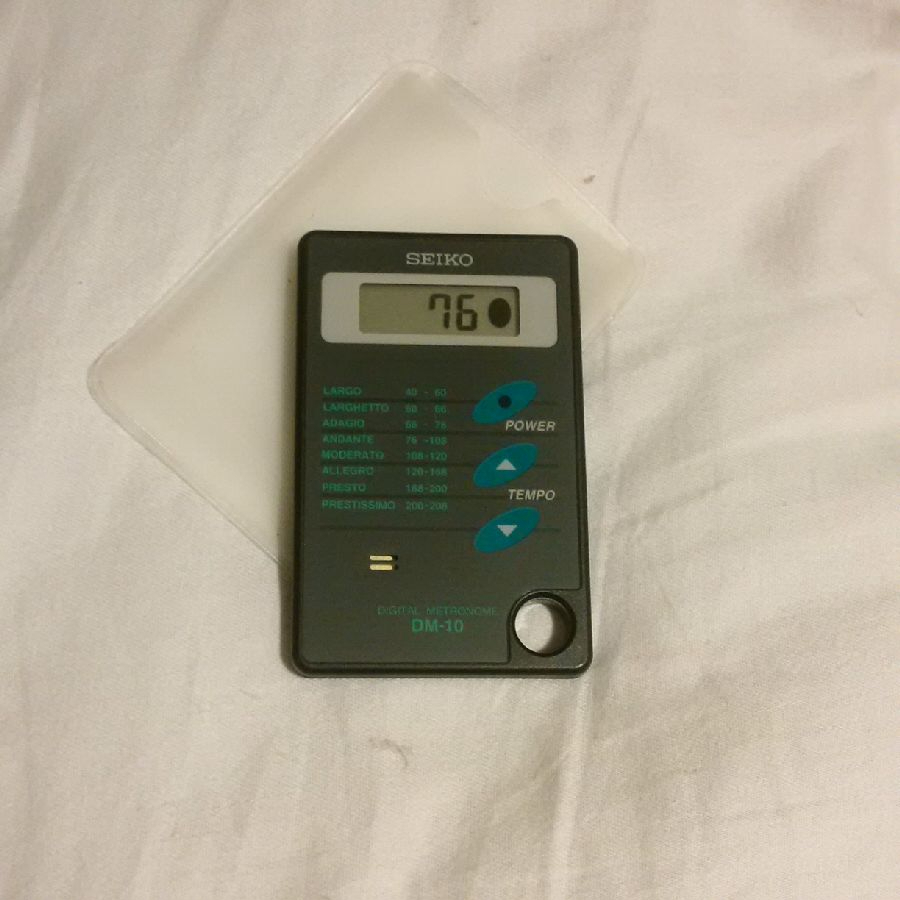
- Tempo Markings: These are instructions found in musical scores indicating the desired speed of a piece, often expressed in BPM. Common markings include “Andante” (walking pace) and “Allegro” (fast). Understanding these markings helps musicians align their practice with the intended feel of the music.
“The metronome is not just a tool; it is a bridge to musical precision and expression.”
Setting Up the Metronome
The proper setup of a metronome is crucial for musicians aiming to enhance their timing and rhythm. A well-configured metronome can serve as an invaluable tool that guides practice sessions and develops a musician’s sense of timing. This section will Artikel the steps necessary to set up a metronome effectively, highlight common pitfalls, and offer advice on determining the appropriate tempo for different musical works.
Steps to Properly Set Up a Metronome
To ensure that the metronome is set up correctly for practice, follow these essential steps:
1. Select the Type of Metronome
Choose between a mechanical, digital, or app-based metronome based on personal preference and convenience.
2. Adjust the Tempo
Set the desired beats per minute (BPM) by turning the dial or using the buttons on a digital device.
3. Choose the Time Signature
If your metronome allows, select the appropriate time signature that matches the piece you are practicing, such as 4/4, 3/4, or 6/
8. 4. Test the Sound
Play a few beats to ensure the volume is at a comfortable level and that the sound is clear enough to hear over your instrument.
Common Mistakes Musicians Make When Setting a Metronome
Understanding potential errors while setting a metronome can significantly enhance practice efficiency. Here are frequent mistakes to avoid:
- Setting the Tempo Too Fast: Musicians often select a tempo that is too challenging, leading to frustration and ineffective practice.
- Neglecting Time Signatures: Failing to set the correct time signature can disrupt the flow of practice and lead to confusion.
- Ignoring the Sound Level: Setting the volume too low may cause the metronome to go unnoticed during practice sessions.
- Not Practicing with Consistency: Occasionally relying on the metronome rather than consistently practicing with it can inhibit timing development.
Finding the Right Tempo for Various Musical Pieces
Determining the appropriate tempo for a piece is essential for effective practice. Here are some strategies to help musicians identify the right BPM:
- Review the Composition: Consult the sheet music, which may indicate a suggested tempo or mood, guiding the selection.
- Listen to Recordings: Listening to professional performances of the piece can provide insight into the intended tempo and style.
- Start Slowly: Begin practicing at a slower tempo to master the fundamentals before gradually increasing the speed as confidence builds.
- Use the Metronome for Gradual Increases: Start at a comfortable tempo and systematically raise the BPM in small increments to challenge oneself without losing accuracy.
Techniques for Using a Metronome
Utilizing a metronome effectively requires an understanding of various rhythmic exercises and techniques that can enhance your timing skills. Through consistent practice with a metronome, musicians can significantly improve their sense of rhythm and overall musicality. This section will cover essential techniques for maximizing the benefits of this invaluable practice tool.
Rhythmic Exercises to Practice with a Metronome
Incorporating diverse rhythmic exercises into your practice routine can help develop a strong sense of timing. Here are several exercises that can be practiced with a metronome:
- Quarter Notes: Start at a comfortable tempo, playing quarter notes in time with the metronome. This establishes a steady beat.
- Eighth Notes: Once comfortable, shift to playing eighth notes, ensuring that each note aligns precisely with the metronome clicks.
- Triplets: Practice playing triplet rhythms to enhance your ability to subdivide beats. Each triplet should fit within the duration of a quarter note.
- Syncopation: Experiment with playing off-beat rhythms to challenge your timing while maintaining a connection to the metronome.
- Polyrhythms: Try layering different rhythmic patterns, such as playing a 3 against 4 feel, to develop a deeper understanding of complex timing.
Importance of Subdividing Beats
Subdividing beats is crucial for achieving precise timing and rhythm in music. Effective subdivision allows musicians to recognize and navigate subdivisions within a measure, promoting a more nuanced performance. To practice subdividing beats effectively, follow these strategies:
- Counting Aloud: As you play, count each subdivision aloud (e.g., “1-and-2-and”) to reinforce the internal pulse.
- Accent Placement: Practice accenting different subdivisions (e.g., the first and third eighth note) to develop dynamic awareness.
- Use of Subdivided Clicks: Set the metronome to click on subdivisions rather than only on the main beats (e.g., set to eighth notes instead of quarter notes) to establish a finer sense of timing.
Designing a Practice Routine
A structured practice routine can accommodate varying skill levels while integrating metronome use effectively. Here’s a basic framework for a practice session:
- Beginner:
- 10 minutes on quarter notes.
- 10 minutes on eighth notes.
- 5 minutes on simple rhythmic patterns.
- Intermediate:
- 10 minutes on quarter and eighth note combinations.
- 10 minutes on triplet exercises.
- 10 minutes on syncopated rhythms.
- Advanced:
- 10 minutes on subdivided beats and polyrhythms.
- 10 minutes on improvisation with a metronome set to various tempos.
- 10 minutes on transcribing rhythms from music pieces and replicating them with the metronome.
“The metronome is not just a tool; it is a gateway to precision and musical discipline.”
Integrating the Metronome into Your Practice
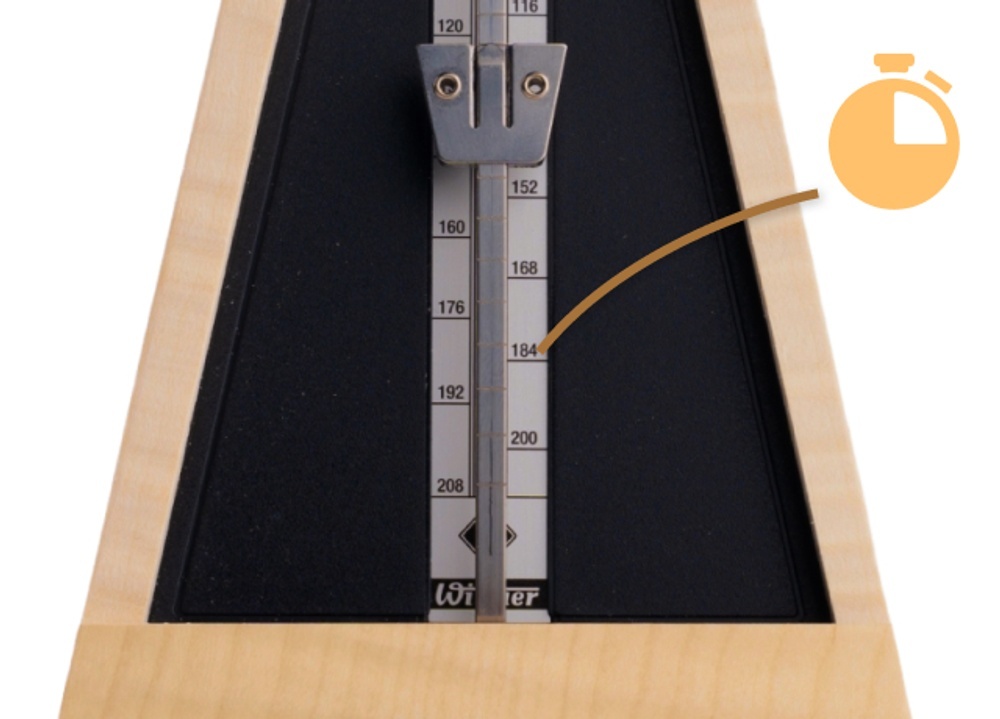
Using a metronome effectively can significantly enhance your timing and rhythm in musical performance. By incorporating this tool into various practice routines, musicians of all levels can develop a stronger sense of timing, which is essential for both solo and ensemble playing. This section will explore how to integrate the metronome into your daily practice, specifically focusing on scales, arpeggios, improvisation, and structured practice sessions.
Using a Metronome for Scales and Arpeggios
Practicing scales and arpeggios with a metronome can greatly improve your technical skill and rhythmic precision. Setting the metronome to a manageable tempo allows you to focus on clean execution while maintaining consistent timing.Start by selecting a scale or arpeggio you wish to practice. Set the metronome at a slow tempo, such as 60 beats per minute (BPM), to ensure clarity in your playing.
As you become comfortable, gradually increase the speed by 5 BPM increments. This approach fosters incremental improvement without overwhelming the player.
“Regular practice with a metronome can help develop muscle memory and improve overall timing.”
For effective practice, consider the following steps:
- Begin with a simple one-octave scale or arpeggio.
- Play each note in time with the metronome, ensuring each note aligns with the beat.
- Utilize different rhythmic patterns, such as playing two notes per beat or triplet subdivisions, to enhance versatility.
- Gradually increase complexity by incorporating two or more octaves, maintaining the metronome’s guidance throughout.
Using a Metronome for Improvisation and Spontaneous Playing
Improvisation is a crucial skill for musicians, and incorporating a metronome into this practice can foster creativity while maintaining rhythmic integrity. The metronome serves as a foundation, allowing players to explore melodic ideas without losing track of timing.To effectively use a metronome during improvisation, follow these guidelines:
“The metronome acts as a rhythmic anchor, enabling free expression within structured timing.”
- Set the metronome to a comfortable tempo that suits the style of music you are improvising over.
- Begin by playing a simple melody or riff in time with the metronome.
- Experiment with varying note lengths, rests, and syncopation while still aligning with the beats.
- Gradually increase the complexity of your improvisation as you become more comfortable, ensuring that your creative expression does not compromise the rhythmic framework established by the metronome.
Structuring Practice Sessions for Timing Improvements
A well-organized practice session is vital for effective learning and improvement. By focusing on timing with the metronome, musicians can systematically enhance their rhythmic skills.Consider the following structure for a practice session dedicated to timing:
“A focused practice routine can lead to significant advancements in timing and overall musicianship.”
1. Warm-Up (10 minutes)
Start with simple scales and arpeggios using the metronome to establish a solid foundation.
2. Technical Exercises (15 minutes)
Include exercises that challenge timing, such as playing dotted rhythms or triplet patterns against the metronome.
3. Repertoire Practice (20 minutes)
Choose pieces that require attention to rhythm. Play through sections while using the metronome to ensure consistent timing.
4. Improvisation (15 minutes)
Dedicate time to free playing with a metronome. Focus on integrating improvisational ideas while adhering to the established beat.
5. Cool Down (10 minutes)
End the session with slower scales or improvisation, allowing for reflection on the day’s practice while still maintaining a steady pulse.By integrating the metronome into various aspects of practice, musicians can develop a more robust sense of timing, which is essential for both solo performances and collaborative settings. Consistent application of these techniques will yield noticeable improvements in rhythmic accuracy and overall musicality.
Assessing Progress with a Metronome
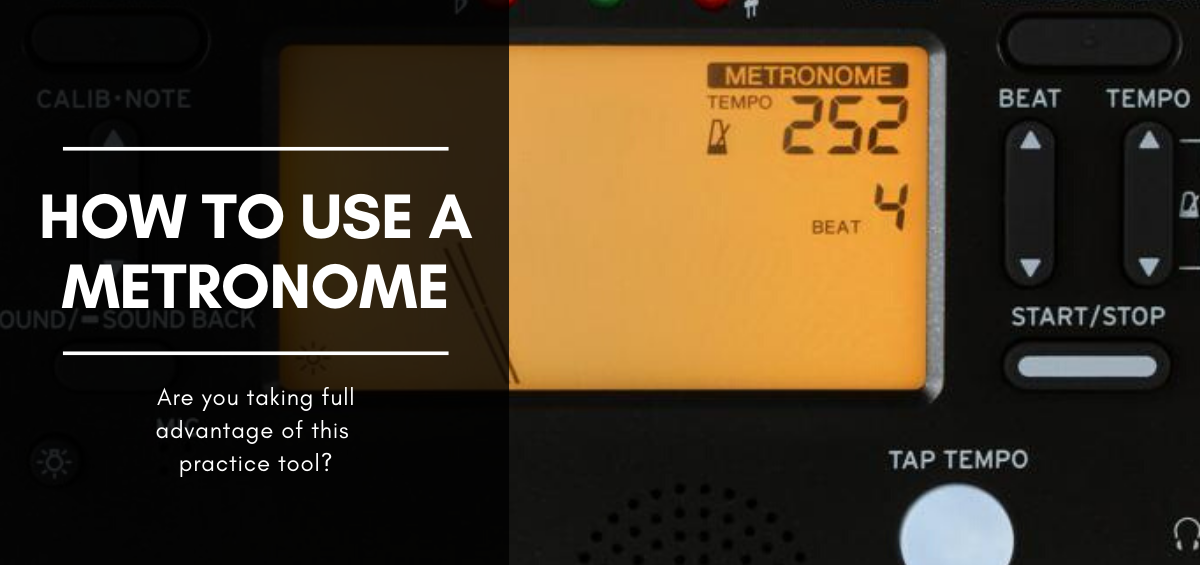
Tracking your progress while using a metronome is essential for recognizing improvements in your timing and rhythm. As you incorporate metronome practice into your routine, it becomes vital to have methods that allow you to measure your development accurately. By maintaining a consistent record of your practice sessions and evaluating your performance over time, you can identify areas of strength and those requiring further attention.One effective strategy for assessing your progress is to maintain a practice log.
This log should detail the metronome settings used, the exercises practiced, and your subjective evaluation of your performance. Additionally, specific metrics can be recorded to provide a clearer picture of your growth.
Methods for Tracking Progress
Establishing a systematic approach to documenting your practice can help you visualize your journey toward improved timing. Here are some methods to consider:
- Practice Log: Write down each practice session, including the tempo, exercises, and duration. This allows you to see how often you practice and how your tempo changes over time.
- Video Recordings: Film yourself playing with the metronome. This visual evidence can highlight discrepancies in timing and rhythm that may not be obvious while practicing.
- Progress Charts: Create a chart to graph your metronome settings and performance scores over time. This visual representation can make it easier to see trends in your progress.
- Feedback from Others: Collaborate with a teacher or fellow musician who can provide constructive feedback on your timing as you practice with the metronome.
Techniques for Self-Evaluation
Self-evaluation is a crucial aspect of progress assessment. After each practice session, take time to reflect on your performance. Here are some techniques that can enhance your self-evaluation process:
- Listening Critique: After practicing, listen to recordings of your play. Pay attention to any timing inconsistencies or areas where you may have rushed or lagged behind the beat.
- Metronome Challenges: Gradually increase the tempo of your metronome over time. Assess your ability to maintain accuracy as the tempo rises, which indicates improved timing skills.
- Peer Reviews: Share recordings with peers or instructors for feedback. Their insights can provide a new perspective on your timing and rhythm.
- Setting Specific Goals: Establish short-term goals for each session, such as playing a piece at a specific tempo without errors. This targeted approach can clarify areas of improvement.
Comparative Effectiveness of Metronome Practice
Understanding the difference in skill development between metronome practice and free playing is essential for musicians. While free playing allows for expressive interpretation, metronome practice is invaluable for honing precise timing. Research indicates that structured practice with a metronome can lead to significant improvements in rhythmic accuracy.When comparing both methods, consider the following aspects:
- Precision: Metronome practice enforces strict adherence to timing, which can enhance rhythm skills and overall musicality.
- Flexibility: Free playing fosters creativity and expression, allowing musicians to explore dynamics and phrasing without mechanical constraints.
- Skill Reinforcement: Combining both methods can yield the most effective results, as metronome practice solidifies timing while free playing encourages emotional connection to the music.
Overcoming Challenges with Metronome Practice
Learning to use a metronome can be a rewarding but challenging endeavor for musicians of all skill levels. Many encounter common frustrations that can hinder their progress and enjoyment of practice. By addressing these challenges with effective strategies, musicians can enhance their timing skills while maintaining focus during their practice sessions.
Common Frustrations in Metronome Practice
Musicians often experience several frustrations when first incorporating a metronome into their practice routine. These frustrations may include:
- Inability to Keep Up: As musicians strive to play along with the metronome, they may find themselves struggling to maintain the required tempo, leading to feelings of discouragement.
- Loss of Musicality: Some musicians fear that using a metronome might strip away their natural expression and musicality, making them sound mechanical.
- Distraction from the Beat: For many, the sound of the metronome can become distracting rather than helpful, causing them to lose focus on their playing and overall performance.
Strategies for Maintaining Focus During Practice
To counter distractions and enhance focus during practice, musicians can adopt several strategies that promote a more productive environment:
- Set a Clear Objective: Before beginning practice, clearly define specific goals for each session, such as working on a particular piece or improving a specific skill. This clarity helps maintain focus.
- Create a Dedicated Practice Space: Establish a designated area for practice free from interruptions and distractions. This space should be comfortable and conducive to concentration.
- Limit Digital Distractions: Silence notifications on electronic devices and avoid multitasking to ensure that the focus remains on the metronome and the music.
Solutions for Rhythm and Timing Issues
Musicians facing difficulties with rhythm and timing can employ several strategies to improve their skills:
- Slow the Tempo: Start practicing at a reduced tempo that feels manageable. Gradually increase the speed as confidence and accuracy improve.
- Use Subdivisions: Incorporate subdivisions into practice by setting the metronome to click at a faster rate, allowing for a better internalization of rhythm patterns.
- Focus on One Element at a Time: Isolate challenging sections of the music and practice them slowly with the metronome, concentrating on rhythm before adding dynamics or expression.
“By tackling rhythm and timing issues in manageable segments, musicians can build confidence and ultimately enhance their performance.”
Advanced Metronome Techniques
Mastering timing is crucial for musicians, and advanced metronome techniques can significantly elevate one’s rhythmic prowess. This section explores the intricacies of using a metronome not just for basic timing, but for polyrhythms, complex time signatures, and collaborative playing. These techniques can enhance both solo practice and ensemble performance, fostering a deeper understanding of rhythm and meter.
Utilizing Polyrhythms and Complex Time Signatures
Polyrhythms involve multiple contrasting rhythms played simultaneously, presenting a unique challenge that can be effectively managed with a metronome. For example, when practicing a 3 against 4 polyrhythm, set the metronome to click on the quarter note. This allows for the three notes to align within the four beat structure. When engaging with complex time signatures, such as 7/8 or 5/4, it is essential to utilize the metronome’s subdivision features.
Setting the metronome to accentuate specific beats can help internalize the feel of these signatures. Here’s how to approach practicing in complex meters:
- Start with a slower tempo to understand the meter.
- Use the metronome to emphasize the downbeats, gradually adding in the subdivision.
- Always return to the metronome to ensure accuracy and consistency.
“Polyrhythms and complex time signatures expand your musical vocabulary, making your playing more versatile and expressive.”
Syncing with a Metronome While Playing with Other Musicians
Playing with other musicians requires an ability to listen and adapt to different rhythmic feels. Using a metronome in group settings can enhance synchronicity and overall performance quality. Here are some effective strategies:
- All musicians must agree on the metronome’s tempo before starting to ensure a unified approach.
- Consider using a shared click track, audible to all performers, promoting cohesion.
- During rehearsals, utilize the metronome to practice challenging sections, gradually reducing reliance as the group becomes more comfortable with the material.
“A consistent metronome can serve as the heartbeat of the ensemble, ensuring that every note aligns perfectly.”
Incorporating a Metronome with Backing Tracks
Using a metronome in conjunction with backing tracks can greatly enhance timing and rhythmic accuracy. Backing tracks often feature varied tempos and styles, making them ideal for practice. Here’s how to effectively merge metronome use with backing tracks:
- Start by practicing with the metronome alone to establish a solid sense of timing.
- Once comfortable, integrate the backing track, ensuring the metronome is set to an appropriate tempo that matches the track.
- For added complexity, adjust the metronome to emphasize specific beats or subdivisions within the backing track, enhancing rhythmic awareness.
“The combination of a metronome and a backing track allows musicians to develop timing versatility across different musical styles.”
Closing Notes
In conclusion, mastering the use of a metronome is not only about keeping time but also about developing a deeper musical understanding. By overcoming common challenges and employing advanced techniques, musicians can refine their skills and enjoy a greater sense of rhythm in their playing. Embracing the metronome as a practice partner will lead to noticeable improvements in timing and overall musical performance.