How to Memorize the Notes on the Guitar Fretboard is an essential skill for any aspiring guitarist, as it lays the foundation for a deeper understanding and appreciation of music. Familiarity with the fretboard not only enhances your playing ability but also boosts your confidence as you navigate various chords and scales. By mastering the notes on the fretboard, you will unlock a world of musical possibilities, making your practice sessions more productive and enjoyable.
In this guide, we will explore the layout of the guitar fretboard, effective memorization techniques, and the use of visual aids. Additionally, we will Artikel practice routines and fun games that can significantly improve your retention of fretboard notes. With these strategies at your disposal, you will find yourself becoming more adept at recognizing and playing notes with ease.
Understanding the Guitar Fretboard
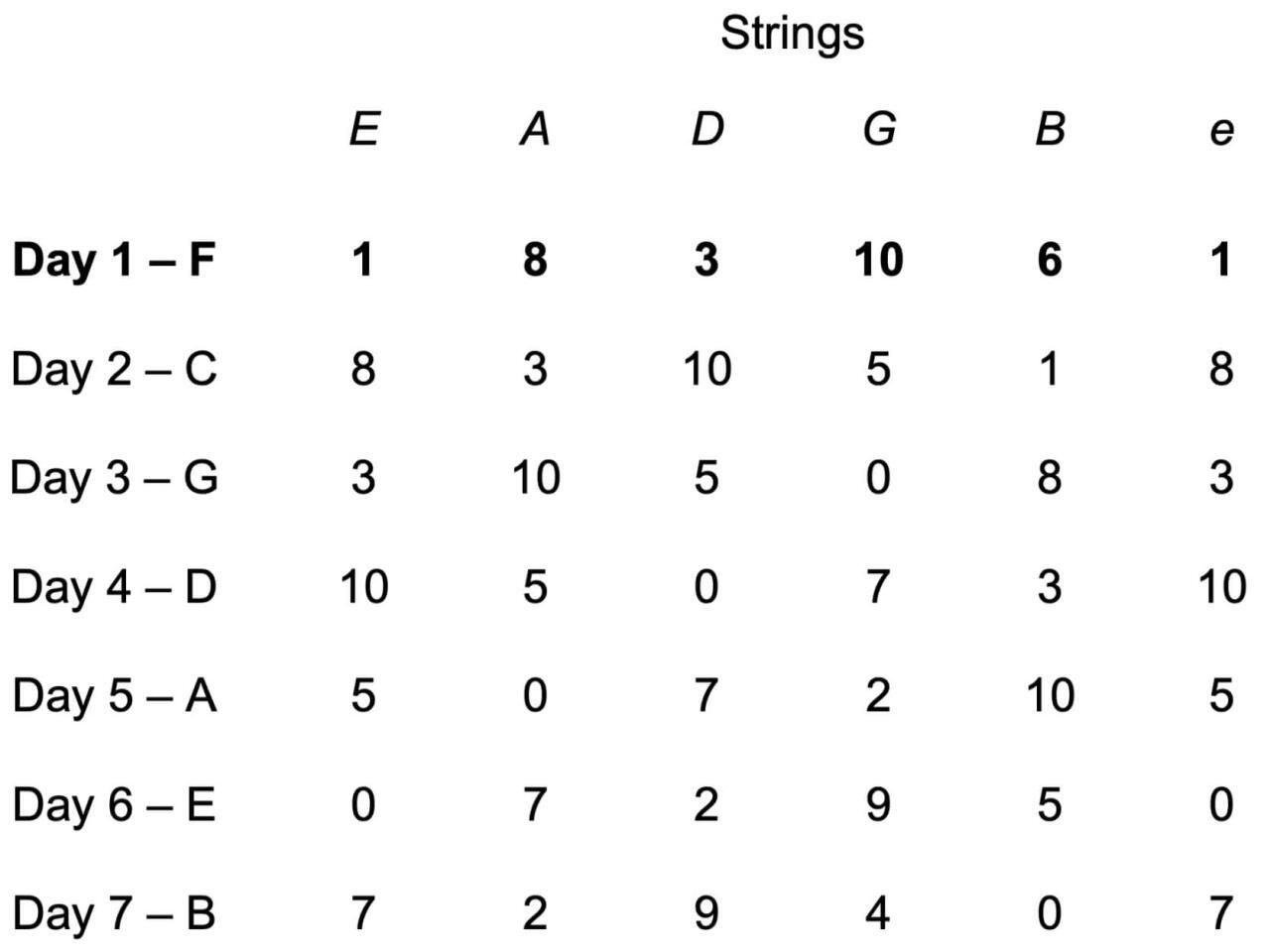
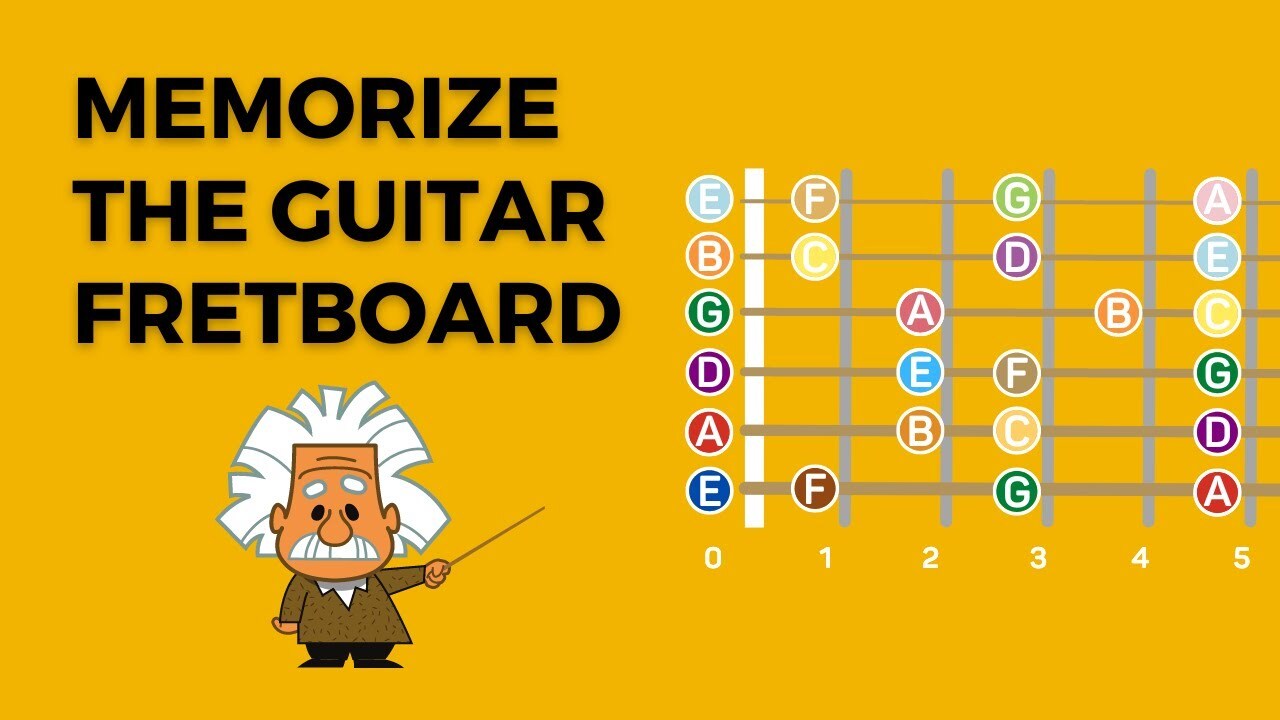
The guitar fretboard is a crucial aspect of playing and understanding the instrument. It comprises several components, each of which plays a significant role in how music is produced. Familiarizing oneself with the layout of the fretboard, including string names and note positions, is essential for any guitarist striving to enhance their skills and musical knowledge.The guitar fretboard is designed with six strings, each representing a different musical pitch.
The standard tuning from the lowest (thickest) string to the highest (thinnest) string is E, A, D, G, B, and E. Each fret on the fretboard raises the pitch of the note played on that string by a half step. The first fret on each string corresponds to the first note after the open string, and this pattern continues up to the 12th fret, where the notes begin to repeat in the next octave.
Note Layout on the Fretboard
Understanding the layout of notes on the fretboard enables guitarists to navigate it more efficiently. Each fret represents a specific note, and these notes follow a systematic pattern. The musical alphabet consists of twelve distinct notes, and there are specific intervals between them that are fundamental to music theory. The following Artikels the notes on each string from the open position to the 12th fret:
- 6th String (E): E, F, F#, G, G#, A, A#, B, C, C#, D, D#, E
- 5th String (A): A, A#, B, C, C#, D, D#, E, F, F#, G, G#, A
- 4th String (D): D, D#, E, F, F#, G, G#, A, A#, B, C, C#, D
- 3rd String (G): G, G#, A, A#, B, C, C#, D, D#, E, F, F#, G
- 2nd String (B): B, C, C#, D, D#, E, F, F#, G, G#, A, A#, B
- 1st String (E): E, F, F#, G, G#, A, A#, B, C, C#, D, D#, E
Each string and fret combination provides a unique note, and understanding these will help in playing scales, chords, and melodies.
Musical Intervals and Fret Relationships
The relationship between frets and musical intervals is critical for a deeper understanding of music theory applied to guitar playing. An interval is defined as the distance between two notes. On the guitar, moving from one fret to the next represents a half step, while skipping a fret represents a whole step.The following intervals derive from the fretboard layout:
- Minor Second: 1 fret (e.g., A to A#)
- Major Second: 2 frets (e.g., A to B)
- Minor Third: 3 frets (e.g., A to C)
- Major Third: 4 frets (e.g., A to C#)
- Perfect Fourth: 5 frets (e.g., A to D)
- Perfect Fifth: 7 frets (e.g., A to E)
Understanding these intervals will not only enhance one’s ability to play but will also facilitate the composition and improvisation of music.
Mastering the fretboard involves recognizing patterns and intervals, which allows for greater musical flexibility and creativity.
Memorization Techniques
Memorizing the notes on the guitar fretboard is essential for any aspiring guitarist. Effective memorization enhances one’s ability to play with confidence and fluidity. This section will explore various strategies and methods designed to facilitate the memorization of notes on the fretboard, ensuring that they become second nature to the player.One effective way to memorize notes on the guitar is through the use of visualization and association techniques.
Associating each note with specific finger placements not only aids in memory retention but also enhances finger dexterity. Moreover, creating mental images or stories can help solidify your understanding of the fretboard layout.
Mnemonic Devices for Note Recall
Utilizing mnemonic devices can greatly assist in recalling note names on the guitar fretboard. These memory aids can transform complex information into memorable phrases or acronyms. Below are several examples of mnemonic devices tailored for the guitar.Consider the following note progression on the sixth string (E): E, F, F#, G, G#, A, A#, B, C, C#, D, D#, and E.
To remember this sequence, one can use the phrase: “Every Fool Finds Great Adventure At A Big Cat Dancing.” Each word represents the initial of a note in the sequence, making it easier to recall.The use of acronyms for string names can also be beneficial. For instance, the strings from the lowest to highest are E, A, D, G, B, and E.
A helpful mnemonic for this is “Eddie Ate Dynamite, Good Bye Eddie.” This memorable saying makes it easy to recall the order of the strings.
Step-by-Step Association Method
Establishing a systematic method to associate notes with finger placements on the fretboard can enhance memorization significantly. The following step-by-step method is recommended:
1. Fretboard Mapping
Begin by mapping out the fretboard. Label each note on the first three frets of each string. Visual recognition of notes in this limited area is key to building a foundational understanding.
2. Finger Placement Practice
Choose a single note, such as the open E string. Practice playing that note while stating its name aloud. This dual action of playing and vocalizing reinforces memory.
3. Progressive Learning
Gradually add more notes to your practice routine. After mastering the open E, move to the first fret (F) and repeat the process. Continue this approach until you can play and identify all notes on the first three frets of all strings.
4. Repetition and Variation
Regularly alternate between different strings and frets while recalling their respective notes. This variation helps solidify your understanding by challenging your memory in different contexts.
5. Application Through Songs
Finally, apply the knowledge by playing songs that utilize the notes you have memorized. This real-world application reinforces memorization and builds confidence.By implementing these techniques and methods, guitarists can significantly enhance their ability to memorize the notes on the fretboard, paving the way for greater musical expression and creativity.
Visual Aids and Tools

Incorporating visual aids and tools into your guitar practice can significantly enhance your ability to memorize the notes on the fretboard. These resources not only provide a clear representation of the fretboard but also create an engaging learning environment. By utilizing charts, diagrams, and various tools, you can reinforce your understanding and facilitate quicker recall of note locations.
Creating Visual Charts and Diagrams
Creating visual charts and diagrams that map out the guitar fretboard can greatly aid in memorization. Such charts can serve as a reference point when learning different scales, chords, or note positions. A well-structured diagram typically includes the following elements:
Color-Coded Notes
Utilize different colors to represent different musical notes. This helps in quickly identifying and recalling their positions on the fretboard.
Scale Patterns
Incorporate common scale patterns visually mapped out on the fretboard, indicating root notes and intervals.
Chord Charts
Include diagrams that illustrate common chord shapes, showing which notes are played on which strings and frets.These visual representations can be printed out and displayed in your practice area, serving as consistent reminders of the note placements.
Using Colored Stickers or Markers
Colored stickers or markers can be an effective tool for identifying notes directly on the fretboard. By marking specific frets with colors corresponding to each note, you can develop an intuitive understanding of the fretboard layout. Here are some suggestions for implementing this technique:
Color Coordination
Assign a unique color to each note (e.g., red for E, blue for A, green for D). Place small stickers on the corresponding frets, making it easy to identify notes at a glance.
Fretboard Roadmap
Consider creating a “roadmap” where you label the entire fretboard. This can be especially helpful for beginners as it provides a clear visual guide while playing.
Temporary Markers
Use removable markers to label notes during practice sessions. This allows for easy adjustments and updates as your familiarity increases.This method can transform the fretboard into a vibrant learning tool, making it easier to visualize relationships between notes.
Apps and Software for Learning Fretboard Notes
A variety of apps and software are available to assist in learning guitar fretboard notes, offering interactive and engaging ways to practice. These tools often include features such as note identification games, fretboard trainers, and scale generators. Here are several noteworthy options:
Fretboard Hero
This app gamifies the process of learning the fretboard with engaging challenges and quizzes that reinforce note recognition.
GuitarTuna
A popular tuning app that includes a fretboard trainer, helping users learn and memorize notes through interactive exercises.
Yousician
This app provides structured lessons, tutorials, and instant feedback, allowing users to practice and learn at their own pace while reinforcing fretboard knowledge.
Fretboard Buddy
A straightforward app that enables users to visualize the fretboard, offering an easy way to see which notes are played on each fret across all strings.These apps can be invaluable resources, making the learning process more efficient and enjoyable. Incorporating them into your practice routine can help solidify your familiarity with the fretboard and enhance your overall musicality.
Practice Routines
Establishing a consistent daily practice routine is crucial for mastering the guitar fretboard and memorizing the notes effectively. A well-structured schedule not only promotes retention but also enhances overall musicianship. By integrating various techniques and exercises, players can progressively build their knowledge and familiarity with the fretboard.The importance of playing scales cannot be overstated in the context of memorization. Scales serve as fundamental building blocks for melodies and harmonies, allowing guitarists to navigate the fretboard with confidence.
Regularly practicing scales reinforces the relationship between notes and finger placements, facilitating quicker recall during improvisation and song performance. Additionally, scales create a structured environment for note memorization, enabling players to internalize the layout of the fretboard.
Daily Practice Routine for Memorizing Fretboard Notes
A daily practice routine focused on memorizing fretboard notes should be comprehensive and engaging. It is essential to balance various activities that promote both memorization and practical application. The following routine can be adapted based on individual skill levels and available time:
- Warm-up (10 minutes): Begin with simple finger exercises and chromatic scales to loosen up the fingers and prepare for more complex tasks.
- Note Identification (10 minutes): Randomly select notes on the fretboard and identify them aloud. Use a fretboard diagram to assist in visualizing the notes as you practice.
- Scale Practice (15 minutes): Choose a scale (e.g., major, minor, pentatonic) and play it in different positions across the fretboard. Focus on memorizing the notes within the scale while maintaining a steady tempo.
- Chords and Arpeggios (15 minutes): Practice common chords and their respective arpeggios, ensuring to vocalize the notes being played. This reinforces the relationship between chord shapes and individual notes.
- Song Practice (20 minutes): Select a song that utilizes the notes learned. Break it down into sections, focusing on identifying the notes within the chords and melodies as you play.
- Cool Down (10 minutes): Conclude your session with light strumming or fingerpicking of familiar songs, allowing for relaxation while reinforcing note recognition.
Incorporating note memorization into song practice sessions is vital for applying learned concepts in a practical context. When working on a new piece, guitarists should take the time to identify the notes being played within the chords and melodies. This process not only solidifies memorization but also aids in developing a deeper understanding of music theory and structure.
“Understanding the relationship between notes and their positions on the fretboard transforms a guitarist’s ability to express themselves creatively.”
Additionally, utilizing tools such as fretboard stickers or interactive apps can aid in visual learning and provide an engaging way to enhance memorization. By combining these methods within a dedicated practice routine, guitarists can efficiently memorize fretboard notes while enjoying the learning process.
Games and Challenges
Engaging in games and challenges can significantly enhance the memorization of notes on the guitar fretboard. These interactive methods not only make learning enjoyable but also promote better retention of information. By incorporating friendly competition and collaborative activities, learners can deepen their understanding of the fretboard in a dynamic way.
Examples of Games for Fretboard Memorization
Utilizing games specifically designed for note recognition can be an effective way to reinforce knowledge of the fretboard. The following activities encourage both solo and group participation:
- Fretboard Bingo: Create bingo cards featuring different notes on the fretboard. As notes are called out, players must identify and mark the corresponding notes on their cards. The first to complete a row wins.
- Note Recall Race: Set a timer and challenge participants to identify as many notes on the fretboard as possible within a specified time frame. This game can be played individually or in teams.
- Musical Chairs with a Twist: Similar to the classic game, set up chairs in a circle. Each chair has a note written on it. When the music stops, participants must quickly identify the note of the chair they sit on, enhancing their recall under pressure.
Group Activities for Teaching or Learning
Group activities can foster collaboration and camaraderie among learners, making the memorization process more effective. These activities provide a platform for peer learning and encouragement:
- Fretboard Relay: Divide learners into teams. Each member must run to the guitar, identify a note, and return to their team to pass on the information before the next team member goes. This encourages quick thinking and teamwork.
- Note Trading: In pairs, learners take turns calling out notes to each other to identify on the fretboard. This peer-to-peer interaction reinforces knowledge and builds confidence.
- Fretboard Memory Challenge: Create a set of flashcards with notes on one side and their corresponding fretboard positions on the other. In groups, participants can quiz each other to enhance recall and understanding.
Competitive Checklist for Practicing Note Recall
Creating a competitive checklist can motivate learners to enhance their note recall skills while engaging with peers. This checklist can be used during practice sessions or classroom settings:
“Competition often breeds excellence, pushing individuals to improve while keeping the learning process enjoyable.”
| Challenge | Points |
|---|---|
| Correctly identify notes on the fretboard within 10 seconds | 5 |
| Complete a fretboard Bingo card | 10 |
| Win a round of the Fretboard Relay | 15 |
| Accurately recall all notes in less than 30 seconds | 20 |
| Assist a peer in recalling notes | 5 |
The competitive checklist serves as a tool for tracking progress and motivating participants to improve their skills, making note memorization a fun and rewarding experience.
Advanced Techniques
The journey of mastering the guitar fretboard involves not only memorization but also the application of advanced techniques that can significantly enhance your proficiency. By integrating ear training, improvisation exercises, and a solid understanding of music theory, players can develop a deeper connection with the instrument, leading to more expressive and informed performances.
Ear Training Complementing Fretboard Memorization
Ear training serves as a fundamental tool in enhancing your ability to memorize notes on the guitar fretboard. By developing your listening skills, you can identify pitches and intervals more effectively, which directly correlates to your understanding of where those notes are located on the fretboard. Engaging in ear training exercises can include:
- Interval Recognition: Practice recognizing intervals between notes played on the guitar. This will help you associate specific notes with their respective frets, reinforcing their locations.
- Transcribing Songs: Attempt to transcribe your favorite songs by ear. This exercise forces you to identify notes on the fretboard as you match them to the music you hear, enhancing both your memorization and practical skills.
- Playing Back Pitches: Use a piano or a digital tuner to play single notes and try to replicate them on your guitar. This develops your ability to pinpoint notes and reinforces your memory of their fretboard positions.
Improvisation Exercises Incorporating Fretboard Knowledge
Improvisation is an essential skill for any guitarist, as it allows for personal expression and creativity. Exercises that incorporate your knowledge of fretboard notes can lead to greater fluency in improvisation. These exercises include:
- Scale Practice: Familiarize yourself with various scales across the fretboard. For instance, practice the major and minor scales in different positions, allowing you to navigate the fretboard effortlessly while improvising.
- Chord Progressions: Create simple chord progressions and practice improvising melodies over them. This helps you understand how different notes relate to the chords you play, improving your musicality.
- Call and Response: Pair up with another musician or use a backing track. Play a phrase and have them respond, then switch roles. This exercise sharpens your ability to listen and react musically, using your knowledge of the fretboard.
Understanding Music Theory Enhancing Note Memorization
A solid foundation in music theory can significantly enhance your ability to memorize and understand the notes on the guitar fretboard. By grasping theoretical concepts, you can create a mental framework that supports your memorization efforts. Key musical concepts include:
- Intervals: Understanding the distance between notes helps you visualize their positions on the fretboard and recognize patterns that can aid memorization.
- Chords and Scales: Knowing how chords and scales are constructed allows you to associate groups of notes with specific shapes and positions on the guitar, making it easier to memorize their locations.
- Circle of Fifths: This tool illustrates the relationships between different keys and chords. By learning the circle, you can better understand key signatures and the notes that correspond to them across the fretboard.
“Music theory is the language of music; understanding it can empower you to communicate and express yourself effortlessly through your guitar.”
Common Mistakes and Solutions
Memorizing the guitar fretboard can be a challenging endeavor, often accompanied by various obstacles that learners face. Understanding these common mistakes and knowing how to overcome them is essential for effective learning and retention of fretboard knowledge. This section aims to identify typical pitfalls and provide practical solutions that will facilitate a smoother memorization process.
Identifying Common Pitfalls
Recognizing the common mistakes made during the memorization of fretboard notes is crucial in avoiding setbacks. The following points Artikel frequent issues and their implications:
- Inadequate Familiarization: Many learners skip the foundational step of getting familiar with the fretboard layout, which hampers their ability to quickly recognize notes.
- Overloading Information: Attempting to memorize too many notes at once can lead to confusion and frustration, making retention difficult.
- Lack of Regular Practice: Failing to incorporate consistent practice routines can lead to forgetfulness of previously learned notes.
- Ignoring Visual Aids: Not utilizing visual aids, such as diagrams or charts, can hinder the ability to connect notes with their physical locations on the fretboard.
Troubleshooting Memorization Blocks
When learners encounter memorization blocks, there are several troubleshooting tips that can help them progress effectively. The following strategies can be implemented to break through these barriers:
- Segmented Learning: Break down the fretboard into sections, focusing on one segment at a time to ease the memorization process.
- Utilize Mnemonics: Create memorable phrases or acronyms to associate with specific notes, enhancing recall.
- Incorporate Ear Training: Regularly listening to and identifying notes played on the guitar can reinforce memory through auditory recognition.
- Practice with Songs: Applying memorized notes to actual songs can create a more engaging learning experience and solidify memorization.
Staying Motivated During the Learning Process
Maintaining motivation throughout the process of memorizing fretboard notes is essential for long-term success. Below are effective methods to keep learners engaged and motivated:
- Set Achievable Goals: Establish small, realistic goals that can be progressively achieved, fostering a sense of accomplishment.
- Join a Community: Engaging with fellow guitarists through forums or local groups offers support and encouragement, making the learning experience more enjoyable.
- Track Progress: Keeping a record of advancements can provide visual motivation and highlight improvements over time.
- Reward System: Implement a personal reward system for achieving memorization milestones to create positive reinforcement.
“Success in learning the guitar fretboard stems from overcoming obstacles with informed strategies and maintaining a positive mindset.”
Wrap-Up

In conclusion, memorizing the notes on the guitar fretboard is an achievable goal that can greatly enhance your musical journey. By implementing the techniques and strategies discussed, you will not only improve your proficiency but also enrich your overall experience as a guitarist. Remember that consistent practice, engagement with visual tools, and a bit of creativity in your approach can make a remarkable difference in your learning process.
Embrace the challenge, and let your musicality flourish!