How to Use Alternate Picking for Speed and Accuracy is an essential guide for guitarists seeking to elevate their playing technique. This method not only enhances speed but also ensures precision, which is crucial for executing complex guitar solos. By mastering alternate picking, musicians can achieve a fluid and effortless sound that resonates with clarity and purpose, making it a vital skill in any guitarist’s repertoire.
Understanding the mechanics behind alternate picking, such as wrist movement and finger positioning, will help players improve their overall technique. In the following sections, we will explore various exercises, common pitfalls, and strategies for integrating this technique into different musical styles, ensuring that you can play with both speed and accuracy.
Understanding Alternate Picking Technique

Alternate picking is a fundamental technique employed by guitarists to achieve speed and precision while playing. This technique involves using a consecutive down and up stroke of the pick, allowing for fluid motion across the strings. Mastery of alternate picking can significantly enhance a guitarist’s ability to execute complex solos and riffs with clarity and speed, making it an essential skill for players of all levels.The mechanics of alternate picking encompass various aspects of hand and wrist movement.
The primary action involves the wrist, which should remain relaxed to facilitate natural movement. The fingers grip the pick firmly yet comfortably, with the thumb and index finger playing a crucial role in controlling the pick’s angle against the strings. It’s important to maintain a consistent motion where each downstroke is immediately followed by an upstroke. This creates a continuous rhythm that is vital for maintaining speed and accuracy during play.
Mechanics of Alternate Picking
Understanding the mechanics behind alternate picking is crucial for effective practice and execution. The following points detail the essential elements involved in this technique:
- Wrist Positioning: The wrist should be kept slightly elevated, allowing for a natural pivoting motion. This positioning aids in fluid movement without causing tension, crucial for maintaining speed.
- Finger Placement: Proper finger positioning is vital. The pick should be held at a slight angle, allowing it to glide effortlessly across the strings. The thumb and index finger should create a stable yet flexible grip.
- Downstroke and Upstroke Coordination: Developing a seamless transition between downstrokes and upstrokes is essential. Practicing with a metronome can help build this coordination, ensuring that each stroke is executed with precision.
The benefits of incorporating alternate picking into a guitarist’s repertoire are numerous. This technique not only enables higher speeds but also enhances overall accuracy when playing intricate passages. With consistent practice, guitarists can improve their dexterity and control over the instrument, leading to a more expressive playing style.
Mastering alternate picking is pivotal for achieving both speed and precision in guitar solos.
By focusing on the mechanics of alternate picking, guitarists can unlock their potential for rapid playing while maintaining clarity in their sound. This technique serves as a cornerstone for many advanced guitar techniques and styles, reinforcing its importance in a guitarist’s skill set.
Exercises to Develop Alternate Picking

To enhance your alternate picking skills, it is crucial to engage in focused exercises that promote both speed and accuracy. These exercises will help build muscle memory and strengthen your picking technique, allowing for smoother transitions and greater fluidity in your playing.A structured practice routine not only aids in efficient skill development but also ensures a balanced approach to learning.
Below are specific exercises designed to improve your alternate picking, along with suggested tempos for practice.
Specific Exercises for Alternate Picking
Incorporating a variety of exercises into your practice routine will provide a comprehensive approach to developing your alternate picking technique. The following exercises are essential for building speed and precision:
- Single String Exercise: Play a single note on one string using strict alternate picking. Start with a metronome set to 60 BPM and gradually increase the tempo by 10 BPM once you can play without mistakes.
- Two-Note Pattern: Choose two adjacent strings and play a simple two-note pattern (e.g., 1st string open, 2nd string open). Use alternate picking and practice at 70 BPM, increasing speed as accuracy improves.
- Chromatic Scale Exercise: Ascend and descend the chromatic scale using alternate picking. Begin at 50 BPM and increase the speed by 5 BPM after each successful repetition without error.
- Arpeggio Exercise: Practice alternate picking through arpeggios by playing notes of a basic triad (e.g., C major: C, E, G). Start slow at 60 BPM and gradually increase as you gain confidence.
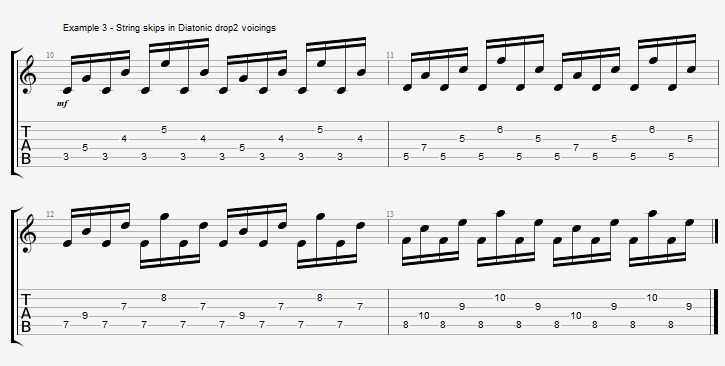
- String Skipping Exercise: Play a sequence that involves skipping strings (e.g., 1st string, then 3rd string). This will enhance both your technique and coordination. Begin at 65 BPM and work your way up.
Structured Practice Routine
A well-structured practice routine can significantly improve your alternate picking efficiency. Below is a suggested routine:
- Warm-Up (10 minutes): Focus on basic finger exercises and scales to prepare your hands.
- Single String Exercise (5 minutes): Pick a string and maintain strict alternate picking.
- Two-Note Pattern (5 minutes): Alternate pick between two adjacent strings, focusing on accuracy.
- Chromatic Scale Exercise (5 minutes): Ascend and descend while using strict alternate picking.
- Arpeggio Exercise (5 minutes): Practice different triads with alternate picking.
- String Skipping Exercise (5 minutes): Enhance coordination with string skipping patterns.
- Cool Down with Free Play (10 minutes): Allow yourself to play freely to relax and enjoy the music.
Gradually Increasing Speed
To effectively increase speed while maintaining accuracy in alternate picking, it is essential to implement certain methods. Focus on the following techniques:
- Use a Metronome: Gradually increase the metronome speed as you become comfortable with the exercises. Start at a slow pace, ensuring accuracy, then increase by small increments.
- Focus on Consistency: Ensure that your picking motions are consistent. Aim for even note volume and clarity, regardless of tempo.
- Break Down Difficult Sections: If a particular exercise proves challenging, break it down into smaller sections and work on each segment slowly before attempting to speed up.
- Record Your Progress: Record yourself playing the exercises to identify areas for improvement. This will also help in tracking your progress over time.
- Incorporate Dynamic Variations: Practice playing exercises at different dynamics (soft and loud) to develop control and adaptability.
“Gradual progression is essential for mastering alternate picking; speed should never come at the expense of accuracy.”
Common Mistakes in Alternate Picking
Many beginners encounter several common pitfalls when learning the alternate picking technique, which can hinder their progress and overall playing ability. Recognizing these mistakes early on is crucial for developing speed and accuracy effectively. This section delves into frequent errors made during practice and offers practical strategies for overcoming them.
Frequent Mistakes in Alternate Picking
Understanding the typical mistakes made while learning alternate picking can help players focus their practice efforts more effectively. The following points highlight some of the most prevalent errors:
- Inconsistent Picking Direction: Beginners often struggle with maintaining a consistent up-and-down picking motion, leading to irregular rhythms. This can be corrected by consciously practicing scales and exercises with a metronome to develop a stable picking pattern.
- Excessive Tension: Many players unknowingly create tension in their hands, wrists, and shoulders, which can negatively impact speed and fluidity. Regularly checking posture and relaxing the hand can alleviate this tension. Focusing on deep breathing while practicing can also help maintain relaxation.
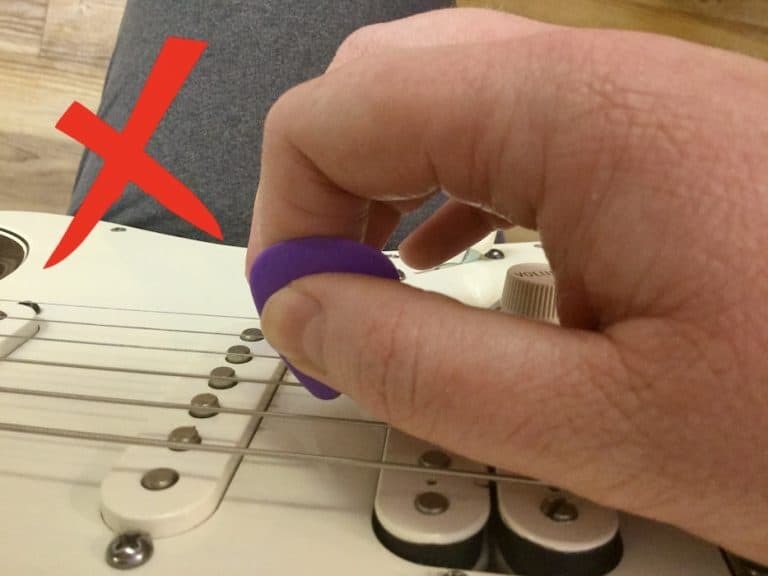
- Overly Rigid Grip: A tight grip on the pick can result in limited movement and decreased control. It is important to adopt a relaxed grip that allows for flexibility, enabling the pick to glide across the strings smoothly. Experimenting with different styles of picks may also help find a comfortable option.
- Lack of Focus on Timing: Beginners often prioritize speed over rhythm, leading to sloppy playing. Integrating a metronome in practice sessions can instill a sense of timing and ensure that speed develops alongside accuracy.
- Ineffective Finger Positioning: Incorrect finger positioning can hinder picking accuracy. Players should ensure that their picking hand is positioned appropriately over the strings, allowing for easy access to the desired notes without unnecessary movement.
Correcting Mistakes Through Focused Practice
To effectively address the common mistakes associated with alternate picking, targeted practice techniques must be employed. Here are some strategies to enhance the learning process:
- Slow Practice: Practicing at a slower tempo allows for greater control and precision. Gradually increasing speed once accuracy is achieved can prevent the development of bad habits.
- Segmented Practice: Breaking down exercises into smaller segments can help focus on specific aspects of alternate picking. This targeted approach enables players to isolate and improve their weaknesses systematically.
- Visual Aids: Utilizing visual aids such as instructional videos or diagrams can provide clear demonstrations of proper technique and posture. Observing skilled players can also offer insights into effective picking strategies.
- Regular Feedback: Seeking feedback from instructors or experienced players can help identify unnoticed mistakes. Recording practice sessions can also allow for self-assessment and improvement.
The Role of Tension and Posture in Performance
Tension and posture play significant roles in the efficiency of alternate picking and overall guitar performance. Maintaining a relaxed and ergonomic posture is essential for facilitating smooth movement.
“It is crucial to create a comfortable playing environment that minimizes physical strain and enhances performance capabilities.”
To mitigate tension and improve posture, consider the following guidelines:
- Proper Seating Position: When seated, ensure that the guitar is held at a comfortable angle, allowing for unrestricted movement of the picking hand. A supportive chair can also help maintain good posture.
- Wrist Positioning: Keeping the wrist in a neutral position helps reduce strain. Avoid excessive bending of the wrist, and instead position it in a way that allows for natural motion while picking.
- Frequent Breaks: Taking short breaks during practice sessions can prevent accumulation of tension and fatigue in the hands and arms. Stretching exercises specifically designed for musicians can also help maintain flexibility and reduce the risk of injury.
Integrating Alternate Picking into Your Playing Style
Integrating alternate picking into your playing style can elevate your performance across various genres. This technique enhances speed and precision, allowing for versatile playing that suits different musical contexts. By understanding how to apply alternate picking effectively, you can enrich your guitar work and develop a unique sound.The essence of alternate picking lies in its ability to provide a clean and efficient means of executing fast passages.
However, it is essential to adapt this technique to fit the characteristics of the genre you are performing. Below are strategies that highlight how to incorporate alternate picking into various musical styles.
Strategies for Incorporating Alternate Picking into Different Musical Genres
Adapting alternate picking to different genres requires an understanding of each style’s rhythmic and melodic nuances. The following points illustrate how alternate picking can be effectively used in various contexts:
- Rock and Metal: In these genres, alternate picking is fundamental for fast riffs and solos. Guitarists often utilize this technique for shredding, allowing them to play rapid scales and intricate solos with clarity.
- Jazz: Alternate picking can be employed to achieve a smoother articulation in complex chord progressions. Incorporating this technique into arpeggios and chord melodies can enhance the fluidity of your playing.
- Folk and Acoustic: In these styles, alternate picking can be applied to fingerpicking patterns, allowing for a more rhythmic and dynamic performance. This technique works beautifully with strummed chords and intricate picking sequences.
- Blues: Here, alternate picking can help to articulate the nuances of bends and slides, giving the music a more expressive quality. It is particularly effective when playing rhythmic riffs and lead lines.
Comparison of Alternate Picking with Other Picking Techniques
While alternate picking is a powerful tool for guitarists, it is also essential to understand its relationship with other techniques, such as economy picking and sweep picking. Each method offers distinct advantages depending on the musical application.
- Alternate Picking: This technique involves alternating downstrokes and upstrokes, providing a consistent rhythm and clarity, especially for faster passages.
- Economy Picking: This technique combines alternate picking with a sweeping motion, which allows for smoother transitions between notes, particularly in sequences involving adjacent strings. It is effective for playing arpeggios quickly and fluidly.
- Sweep Picking: Primarily used in arpeggio playing, sweep picking allows for a continuous motion across multiple strings, which is effective for rapid note sequences. It contrasts with alternate picking, which emphasizes distinct strokes.
Adapting Alternate Picking for Chords and Arpeggios
Applying alternate picking to chords and arpeggios requires a nuanced approach to ensure clarity and articulation. Here are ways to effectively incorporate this technique into chordal playing:
- Chord Strumming: When strumming chords, alternate picking can enhance rhythmic accuracy. Focus on maintaining a consistent pattern to achieve a unified sound.
- Arpeggio Patterns: Implementing alternate picking in arpeggios allows for cleaner note separation. Practice common arpeggio shapes using alternate strokes to develop familiarity.
- Dynamic Control: Emphasizing downstrokes on stronger beats while utilizing upstrokes for weaker beats can introduce dynamic variation, enriching the overall performance.
Advanced Techniques Using Alternate Picking
The realm of alternate picking extends far beyond the basics, providing guitarists with a plethora of advanced techniques to enhance both speed and accuracy. Mastering these techniques not only elevates technical proficiency but also opens up creative avenues for expression and musicality in various genres. This segment delves into advanced alternate picking techniques, including string skipping and hybrid picking, the integration of alternate picking with legato playing, and an exploration of famous guitar solos that prominently feature alternate picking.
String Skipping and Hybrid Picking
String skipping is an advanced technique that allows for greater melodic and harmonic exploration by skipping over one or more strings. This technique challenges traditional picking patterns and fosters a unique sound. Hybrid picking, on the other hand, combines the use of a pick and fingers, enabling players to execute intricate passages that alternate between strummed and plucked notes. The following points illustrate the importance and applications of string skipping and hybrid picking:
- Melodic Range: String skipping enables the musician to create wider intervals and more interesting melodies, enhancing musical expression.
- Technical Proficiency: Mastering string skipping improves hand coordination and strengthens the picking hand, contributing to overall dexterity.
- Dynamic Textures: Hybrid picking introduces varying tonal qualities and accents that add depth to phrases, allowing for a more nuanced performance.
- Style Versatility: These techniques are employed across various genres, including rock, country, and jazz, broadening a guitarist’s stylistic palette.
“String skipping and hybrid picking can elevate your playing to a level where creativity knows no bounds.”
Integration of Alternate Picking with Legato Playing
The combination of alternate picking with legato playing enhances musicality by creating fluid and expressive lines. Legato techniques, such as hammer-ons and pull-offs, can be seamlessly integrated with alternate picking to produce complex phrases that flow smoothly.Key points to consider when combining these techniques include:
- Fluidity: Alternate picking can be employed on downbeats, while legato playing fills in the gaps with smooth transitions, enhancing the overall flow of the music.
- Dynamic Contrast: Alternating between picked and legato notes can create an engaging contrast, drawing attention to specific melodic ideas.
- Speed and Precision: The integration allows for rapid sequences that remain clear and articulate, showcasing technical skill and musicality.
- Expressive Phrasing: This combination provides a wider range of emotional expression, allowing musicians to convey feelings more effectively through their playing.
“Blending alternate picking with legato techniques brings a new dimension to your solos, making them both intricate and captivating.”
Famous Guitar Solos Featuring Alternate Picking
Numerous iconic guitar solos exemplify the mastery and application of alternate picking. These solos serve as inspiration and benchmarks for guitarists striving to refine their skills. The following solos highlight the effective use of alternate picking:
- “Eruption” by Eddie Van Halen: This groundbreaking solo showcases rapid alternate picking interspersed with legato passages, demonstrating technical prowess and creativity.
- “Holy Wars… The Punishment Due” by Megadeth: The intricate riffs feature aggressive alternate picking that drives the song’s intensity and complexity.
- “Master of Puppets” by Metallica: The opening riff prominently utilizes alternate picking, exemplifying speed and precision that characterizes thrash metal.
- “Scarified” by Paul Gilbert: Gilbert’s signature techniques highlight the versatility of alternate picking, combining it with various other techniques for a mesmerizing performance.
Each of these examples serves as a valuable study for guitarists wishing to incorporate advanced alternate picking techniques into their playing, enhancing both their technical ability and musical expression.
Performance Tips for Alternate Picking
When it comes to performing with alternate picking in front of an audience, mental preparation plays a crucial role in executing technique with both speed and accuracy. Musicians often encounter performance anxiety, which can impact their ability to play effectively. To overcome these challenges, various strategies can be implemented to build confidence and ensure that consistency and precision remain intact during live performances.
Mental Preparation Techniques
Cultivating a strong mental state prior to stepping on stage is essential for any musician. This involves not only physical practice but also engaging in mental exercises that enhance focus and reduce anxiety. Some effective mental preparation techniques include visualization, deep breathing exercises, and positive affirmations. These practices can help create a calm mindset and a sense of readiness.
Building Confidence During Performances
Confidence can be bolstered through a combination of preparation and mindset. Familiarity with the music being performed is critical, as is having experience playing in front of others. To build confidence, musicians should:
- Engage in regular practice sessions to become proficient in areas involving alternate picking.
- Perform in low-pressure environments, such as gatherings with friends, before progressing to larger audiences.
- Record practice sessions to analyze performance and identify areas for improvement, enhancing self-assurance.
- Rehearse with a metronome to develop a strong sense of timing and rhythm.
- Focus on positive outcomes rather than dwelling on potential mistakes while performing.
Maintaining Consistency and Precision
During a live performance, consistency and precision are paramount, especially when employing alternate picking techniques. Musicians can maintain these qualities by adhering to specific practices:
- Warm up before the performance with scales and exercises that utilize alternate picking, ensuring that muscle memory is engaged.
- Pay attention to posture and hand positioning; maintaining a relaxed grip can enhance control and reduce tension.
- Utilize a reliable metronome or backing track to support consistent timing throughout the performance.
- Monitor breath control; taking deep breaths can help mitigate anxiety and maintain focus.
- Stay present during the performance; concentrating on the music rather than the audience can alleviate distractions.
“Success in performance is often achieved by mastering the mental as much as the physical aspects of playing.”
Last Word
In conclusion, mastering alternate picking is not just about speed; it’s about achieving a level of accuracy that allows for expressive playing across various musical genres. By practicing the exercises provided and being mindful of common mistakes, guitarists can refine their skills and increase their confidence in performance settings. Ultimately, the journey of learning alternate picking will enhance your musicality and broaden your technical capabilities as a guitarist.