How to Combine Singing and Playing Guitar at the Same Time is a skill that many musicians aspire to master, as it opens up a world of creative possibilities. The ability to simultaneously sing and play guitar not only enhances the musical experience but also allows for a more engaging performance. However, beginners often encounter challenges such as coordinating their vocal and instrumental skills, making this an essential area of focus for aspiring musicians.
This article delves into the importance of mastering both singing and guitar playing, outlining the myriad benefits of blending these two art forms. From basic guitar techniques to vocal exercises, we will explore practical steps and insightful tips to help you overcome common obstacles, develop coordination, and ultimately enhance your musical journey.
Introduction to Combining Singing and Playing Guitar
Mastering the art of combining singing and playing the guitar is a pivotal skill for any musician. It enhances a musician’s versatility, allowing them to express their creativity more fully. Being able to perform both simultaneously not only enriches the musical experience for the artist but also captivates the audience, creating a more engaging performance.Combining these two skills opens up a myriad of benefits for musicians.
Firstly, it allows for greater emotional expression, as the guitar can complement the vocal performance, adding depth and nuance to the song. Furthermore, it enables musicians to perform a wider variety of songs, from solo pieces to full band arrangements, broadening their repertoire. Additionally, this combination can lead to improved rhythm and timing, as musicians develop a better sense of coordination between their voice and instrument.
Common Challenges Faced by Beginners
When aspiring musicians attempt to sing and play the guitar simultaneously, they often encounter several challenges that can hinder their progress. Understanding these obstacles is essential for overcoming them effectively. One of the primary challenges is coordinating the physical movements required for both singing and playing. Beginners may find it difficult to focus on their finger positioning and strumming patterns while simultaneously maintaining pitch and rhythm in their vocals.
This can lead to frustration and a feeling of being overwhelmed.Another common issue is managing breath control. Singing requires proper breath support to sustain notes, while playing guitar also demands physical concentration. Beginners may struggle to find the right balance between these demands, resulting in either a weakened vocal performance or a loss of focus on the guitar.Additionally, beginners often experience difficulties with timing and synchronization.
Strumming patterns and vocal melodies must align perfectly, which can be particularly challenging for those who are just starting. This challenge can create a sense of disharmony in the performance, making it difficult to achieve a smooth and cohesive sound.To address these challenges, musicians can benefit from consistent practice and focused exercises. Gradually integrating singing and playing into their practice sessions, starting with simple songs, can help build the necessary coordination and confidence.
“Practice makes perfect, but practice must be focused.”
Basic Guitar Techniques for Accompaniment
Combining singing with guitar playing requires understanding some essential techniques that facilitate smooth performance. For beginners, mastering these techniques is vital to create a harmonious blend of vocals and guitar sounds. This section will Artikel the necessary techniques suitable for beginners, focusing on strumming patterns, fingerpicking styles, and simple chord progressions.Guitar accompaniment techniques can be categorized primarily into strumming and fingerpicking.
These methods not only support the melody but also enhance the overall musical experience. Below, we present an organized table of common strumming patterns and fingerpicking styles that are accessible to beginners.
Common Strumming Patterns and Fingerpicking Styles
For effective accompaniment, familiarizing oneself with various strumming patterns and fingerpicking styles is crucial. Each technique serves a different purpose and can dramatically affect the mood of a song. The following table provides a clear overview of these techniques:
| Technique | Description | Example Pattern |
|---|---|---|
| Downstroke | A single downward strum across the strings. | ↓ |
| Upstroke | A single upward strum across the strings. | ↑ |
| Alternate Strumming | Combines downstrokes and upstrokes. | ↓↑↓↑ |
| Four Beats | Consists of four strums per measure, typically downstrokes. | ↓ ↓ ↓ ↓ |
| Fingerpicking | Plucking the strings with individual fingers. | 1 2 3 4 (thumb, index, middle, ring) |
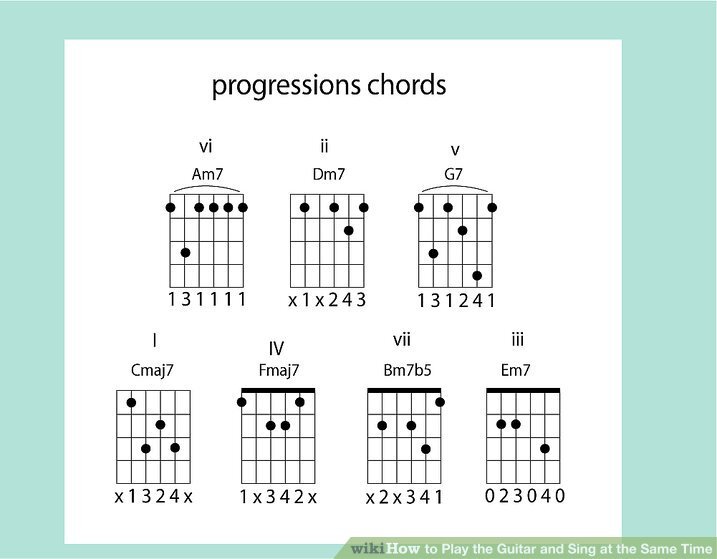
Understanding these techniques is essential as they provide the foundation for effective guitar accompaniment. Practicing these patterns will help establish a rhythm that allows for seamless transitions when singing.Additionally, utilizing simple chord progressions can enhance the ability to accompany vocals effectively. Here are a few well-known chord progressions that are easy for beginners to play while singing:
Easy Chord Progressions for Singing
Simple chord progressions make it easier for vocalists to maintain their pitch and rhythm without being overwhelmed by complex finger placements. The following progressions are widely used in popular music:
| Chord Progression | Example Songs |
|---|---|
| G – C – D – G | “Sweet Home Alabama” by Lynyrd Skynyrd |
| C – G – Am – F | “Let It Be” by The Beatles |
| D – A – Bm – G | “With or Without You” by U2 |
| Em – C – G – D | “Wonderwall” by Oasis |
Incorporating these techniques and progressions into practice will significantly enhance a beginner’s ability to sing and play guitar simultaneously. By focusing on these foundational elements, musicians can develop their skills and gain confidence in their performances.
Vocal Techniques to Enhance Performance

Combining singing with playing the guitar is a rewarding yet challenging endeavor that requires mastery of both instruments. To elevate your performance, it is essential to develop strong vocal techniques. This section will explore vital approaches to breath control, voice warming, and exercises specifically designed to strengthen your ability to sing while accompanying yourself on the guitar.
Breath Control and Support for Singers
Breath control is a fundamental aspect of singing that directly influences vocal quality and stamina. Effective breath support enables singers to maintain pitch and power while performing. Proper diaphragm usage is crucial for breath control; it allows for a steady airflow that supports the voice.To enhance breath control, consider the following techniques:
- Diaphragmatic Breathing: Focus on breathing from your diaphragm rather than your chest. Place a hand on your stomach and ensure it expands when you inhale. This technique fosters deeper breaths and provides better control.
- Breathing Exercises: Practice inhaling slowly for a count of four, holding for four, and exhaling for eight. This exercise builds lung capacity and control.
- Supportive Posture: Maintain a straight posture while singing. Good alignment promotes better airflow and reduces tension in the body.
Warming Up the Voice
Warming up the voice before singing and playing guitar is essential to prevent strain and enhance vocal performance. A proper warm-up routine prepares the vocal cords for the demands of singing, ensuring better articulation and range.Incorporate the following practices into your warm-up routine:
- Gentle Humming: Start with gentle humming at a comfortable pitch to gradually engage the vocal cords.
- Vocal Slides: Perform slides between notes (glissandos) to stretch the vocal range and promote flexibility.
- Sirens: Produce a siren-like sound by gliding from a low pitch to a high pitch and back down. This exercise encourages smooth transitions between notes.
Vocal Exercises for Singing While Playing
Integrating vocal exercises into your practice can significantly improve your ability to sing while playing the guitar. These exercises focus on coordination between the voice and the instrument, ensuring that both elements complement one another effectively.Consider these exercises:
- Simple Melodies: Sing simple melodies while strumming basic chords. Start slowly, gradually increasing the tempo as you become more comfortable.
- Call and Response: Play a short musical phrase on the guitar and sing a response. This hones your ability to switch between playing and singing seamlessly.
- Rhythmic Patterns: Practice singing lyrics in sync with specific rhythmic patterns on the guitar. This exercise helps develop timing and coordination.
“Breath control and vocal exercises lay the foundation for a confident and expressive performance.”
Practicing to Develop Coordination
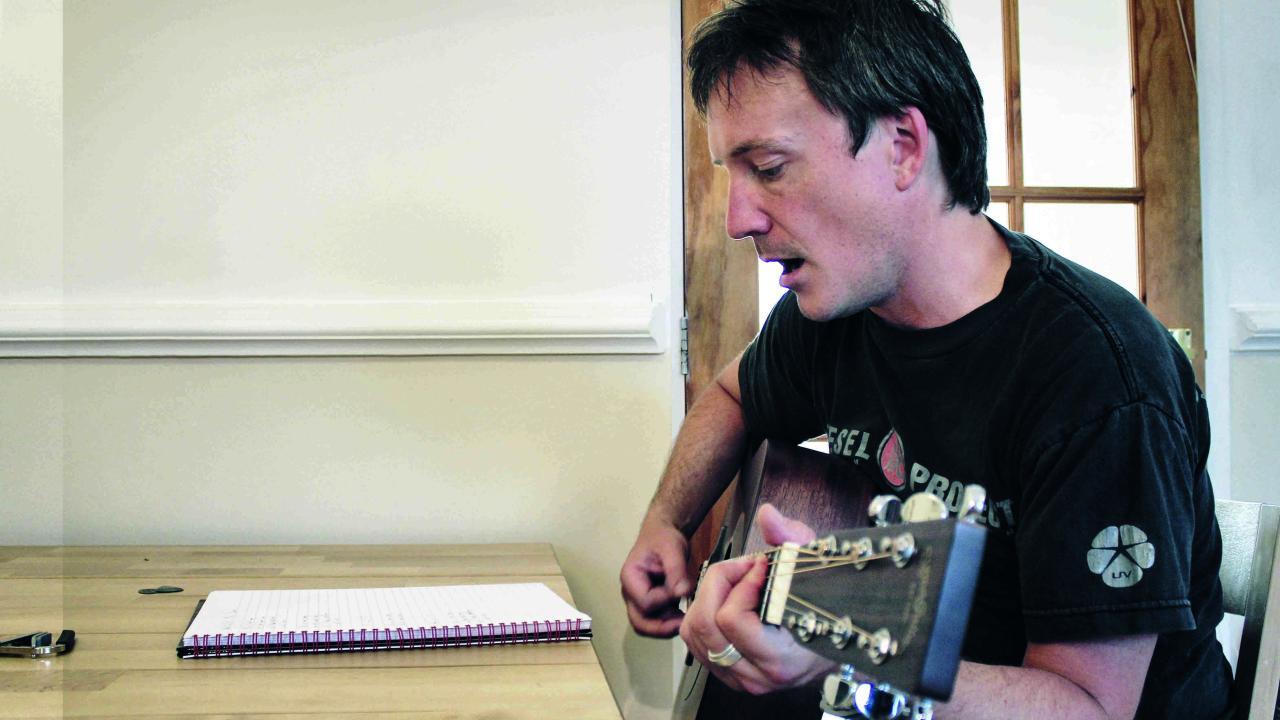
Developing coordination between singing and playing guitar is essential for any musician who wishes to perform seamlessly. This skill not only enhances the overall quality of a performance but also boosts confidence in both instrumental and vocal capabilities. With consistent practice, one can achieve a harmonious blend of these two art forms, allowing for a more engaging musical experience.
One effective way to cultivate this coordination is through a structured practice routine that incorporates both singing and guitar playing. This routine should focus on gradually increasing complexity while ensuring that the foundational skills are solid. Below is a step-by-step guide to help streamline your practice sessions and make significant progress.
Step-by-Step Practice Routine
A well-defined routine can greatly enhance your ability to coordinate singing and guitar playing. The following steps can be incorporated into your daily practice:
- Warm-Up: Begin with vocal warm-ups and basic finger exercises on the guitar to prepare both your voice and hands for the practice session.
- Isolate Each Skill: Spend 10-15 minutes practicing the guitar part of a song without singing. Focus on finger placement and strumming or picking patterns.
- Add Vocalization: Sing the melody a cappella to familiarize yourself with the lyrics and pitch before adding the guitar.
- Combine Skills: Play the guitar part while singing the lyrics at a slow tempo. This initial slow practice ensures accuracy in both vocals and guitar.
- Gradual Tempo Increase: Once comfortable, gradually increase the tempo of both the guitar part and vocals, ensuring that coordination remains intact.
- Full Run-Through: Conclude with a full performance of the song, integrating both singing and guitar playing at the intended tempo.
In addition to creating a practice routine, selecting songs that facilitate the development of coordination is vital. Ideal songs for practice should have simple chord progressions and clear melodic lines, making it easier to focus on both aspects of the performance.
Examples of Ideal Songs
The following songs are recommended for those seeking to improve their coordination between singing and guitar playing:
- “Wonderwall” by Oasis: This song features a simple chord structure that allows singers to focus on vocal delivery.
- “Hey Jude” by The Beatles: A classic with repetitive chords and a memorable melody, perfect for blending skills.
- “Stand By Me” by Ben E. King: This song’s steady rhythm and straightforward progression help in developing timing.
- “Brown Eyed Girl” by Van Morrison: Offers a joyful melody and simple chords, ideal for beginners.
- “You Are My Sunshine” (Traditional): A familiar tune that aids in vocal confidence while playing along.
Incorporating these songs into your practice routine will facilitate a smoother transition between the two skills, enabling you to focus on coordination without becoming overwhelmed.
Timeline for Gradual Improvement
Establishing a timeline will allow you to monitor your progress effectively. Here’s a suggested timeline for gradual improvement in coordination between voice and guitar:
| Time Frame | Goals |
|---|---|
| Weeks 1-2 | Focus on basic chord transitions and vocal pitch accuracy. Practice simple songs with minimal coordination. |
| Weeks 3-4 | Integrate chords with melodies. Work on selected songs, concentrating on synchronized strumming and singing. |
| Weeks 5-6 | Increase complexity by introducing new songs with varied rhythms. Focus on maintaining consistency in timing. |
| Weeks 7-8 | Perform complete songs at performance tempo. Begin to focus on expression and dynamics while singing and playing. |
| Ongoing | Continue to challenge yourself with more difficult songs and refine your performance skills at a higher level. |
“The key to mastering coordination lies in consistent practice and gradual progression.”
By adhering to this structured practice routine, song selection, and timeline, you will find yourself steadily improving your ability to sing and play guitar simultaneously, leading to more confident and enjoyable performances.
Performance Tips for Live Situations
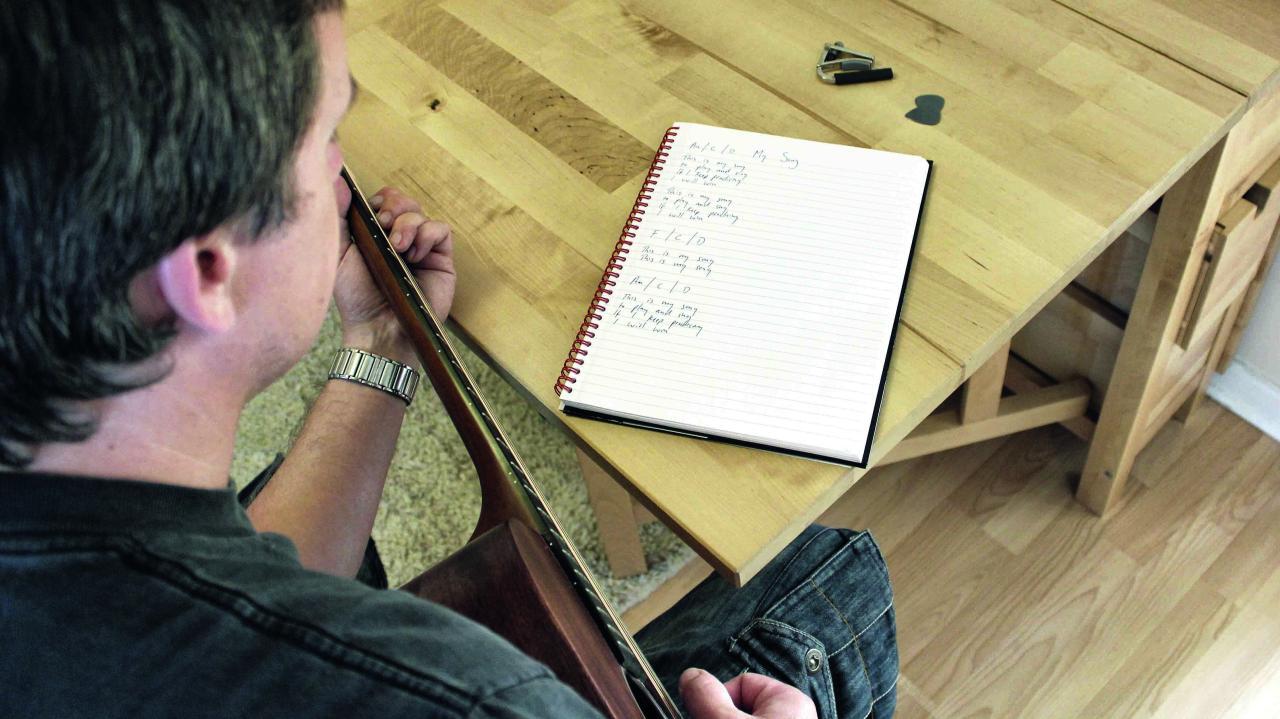
Engaging in live performances is a pivotal aspect of combining singing and playing guitar. It allows musicians to connect with their audience on a personal level, creating memorable experiences through the power of music. Successful live performances require not only technical skill but also an understanding of how to captivate and maintain the audience’s attention while exuding confidence and calmness.
Key Elements to Focus on During Live Performances
Several essential elements contribute to a successful live performance. Focusing on these components can enhance both the performer’s delivery and the audience’s experience.
- Preparation: Adequate rehearsal time ensures familiarity with the material, allowing for smoother execution during performance.
- Stage Presence: Engaging with the audience through eye contact, body language, and movement can create a connection that enhances the overall experience.
- Sound Quality: Ensuring proper sound levels and clarity for both vocals and guitar enhances the performance’s impact. This includes checking equipment and performing sound checks prior to the show.
- Song Selection: Choosing songs that resonate with the audience and fit the performance context helps maintain engagement throughout the set.
Engaging the Audience While Singing and Playing Guitar
Audience engagement is crucial during a live performance. The connection between the performer and the audience can significantly elevate the experience.
- Storytelling: Sharing anecdotes or background information about the songs can create a more intimate atmosphere, making the performance more relatable.
- Inviting Audience Participation: Encouraging the audience to sing along or clap can foster a sense of community and involvement.
- Using Visual Cues: Gestures and facial expressions can communicate emotions and invite the audience to connect with the performance on a deeper level.
- Responding to the Audience: Being attentive to the audience’s reactions and adjusting the performance accordingly can enhance engagement, making the performance feel dynamic and alive.
Techniques to Maintain Confidence and Calm During a Performance
Maintaining confidence and composure is vital for delivering an effective performance. Various techniques can help performers manage nerves and project assurance.
- Deep Breathing: Practicing deep breathing techniques before stepping on stage can help calm the nerves and center focus.
- Positive Visualization: Visualizing a successful performance can set a positive mindset and boost confidence levels.
- Slow and Steady: Starting with a slower song can help ease into the performance and build confidence as the musician warms up on stage.
- Mindfulness Techniques: Engaging in mindfulness or meditation practices regularly can contribute to a more relaxed state during performances.
- Feedback from Practice: Regularly performing in front of friends or family can provide constructive feedback and reduce anxiety about performing in front of a larger audience.
“The stage is a place to share your passion; embrace it with confidence and let your music resonate with those around you.”
Troubleshooting Common Issues
When combining singing and playing guitar, musicians often encounter various challenges that can affect performance. Understanding potential issues and their solutions is essential for any aspiring artist. This section will detail common mistakes and difficulties, providing effective strategies to enhance your overall performance.
Solutions for Common Mistakes
Even experienced musicians can make frequent errors while performing. Addressing these mistakes promptly can help maintain the flow of the music. Key issues include:
- Strumming Patterns and Vocal Timing: One of the most common issues arises from misalignment between strumming patterns and vocal delivery. To resolve this, practice each component separately before combining them. Start with simple strumming patterns to establish a steady rhythm, then gradually incorporate vocals once comfortable.
- Overplaying or Underplaying: It’s easy to overwhelm a performance with too much embellishment on the guitar or too much vocal ornamentation. Simplifying your guitar chords to basic versions while maintaining clear vocal lines can provide a more harmonious blend.
- Incorrect Chord Changes: Mistakes in chord changes can disrupt the performance flow. Regular practice with a metronome can assist in perfecting these transitions, ensuring they are smooth and timely.
Addressing Timing Issues
Timing is crucial when singing and playing guitar simultaneously. Synchronizing the two can sometimes pose a challenge, especially for beginners. Here are techniques to help improve timing:
- Use a Metronome: Practicing with a metronome can help internalize the rhythm and keep both singing and guitar playing in sync. Start slow, gradually increasing the tempo as proficiency improves.
- Break it Down: Focus on specific sections of a song rather than attempting to play the entire piece at once. Isolate challenging parts and practice them until they are comfortable before integrating them back into the full song.
- Record Yourself: Listening to recordings of your practice sessions can provide valuable insights into timing and cohesion between guitar and vocals, allowing for targeted improvements.
Approaches to Manage Stage Fright
Stage fright is a common issue that can hinder performance quality. Effectively managing anxiety can improve both singing and guitar playing. Strategies include:
- Preparation: The more prepared you feel, the less likely anxiety will overwhelm you. Rehearsing thoroughly until comfortable can build confidence.
- Visualization Techniques: Visualization is a powerful tool. Picture yourself performing successfully in front of an audience, focusing on the positive aspects of your performance rather than possible mistakes.
- Breathing Exercises: Practicing deep breathing exercises before going on stage can help calm nerves. Taking a few deep breaths can lower heart rates and reduce anxiety levels.
Advanced Techniques for Experienced Musicians
Combining singing and guitar playing at an advanced level requires a deeper understanding of musical concepts and techniques. Experienced musicians often look to refine their skills by incorporating embellishments, improvisation, and harmonies into their performances. This section explores these advanced techniques, highlighting their significance in various musical genres.
Embellishments and Improvisation
Embellishments and improvisation play a crucial role in enhancing musical performances. These techniques allow musicians to express their individuality and creativity, transforming a standard piece into a unique interpretation. Common embellishments include hammer-ons, pull-offs, slides, and vibrato. Mastery of these techniques not only adds flair but also enriches the overall sound.To successfully incorporate embellishments:
- Hammer-ons and Pull-offs: These techniques enable smooth transitions between notes, adding expressiveness to melodies without extra strumming.
- Slides: Sliding into notes creates a connected, fluid sound, which can be particularly effective during solos or vocal phrases.
- Vibrato: Applying vibrato to sustained notes can enhance emotional delivery, making performances more engaging.
Improvisation, on the other hand, allows musicians to create spontaneous musical ideas that complement their singing. Musicians can practice improvisation by experimenting with scales and chord progressions. For example, while singing a simple melody, one might improvise a guitar solo using the pentatonic scale to add depth and interest.
“Improvisation transforms a performance into a unique musical journey, allowing both the musician and audience to experience something new each time.”
Integration of Harmonies
Harmonies enrich the texture of a performance by adding depth and complexity. Musicians can integrate harmonies into their singing while accompanying themselves on guitar, creating a fuller sound. Understanding intervals and chord structures is essential for successful harmonization.Key considerations for integrating harmonies include:
- Third and Fifth Intervals: Singing a third or fifth above or below the main melody creates a harmonious blend, essential in genres like folk and pop.
- Vocal Ranges: Ensure that the harmonies fit within the vocal range of the singer, allowing for comfortable execution during performances.
- Rehearsing with Backing Tracks: Using recordings that feature harmony can help musicians practice their parts effectively, ensuring a well-rounded performance.
Many musicians find it beneficial to collaborate with others to explore complex harmonies. This not only strengthens their skills but also encourages creativity and experimentation.
Genres Requiring Advanced Skills
Certain musical genres demand a higher level of proficiency in combining singing and guitar playing. Genres such as jazz, blues, and progressive rock often require advanced techniques to achieve their characteristic sounds.Examples include:
- Jazz: In jazz, musicians frequently employ complex chord progressions and improvisation techniques. The integration of syncopated rhythms with vocal scat singing exemplifies the advanced skills required.
- Blues: The blues genre relies heavily on embellishments and expressive vocal techniques. Techniques such as bending notes on the guitar while simultaneously delivering soulful vocals are commonplace.
- Progressive Rock: This genre often features intricate compositions that necessitate exceptional coordination between singing and guitar playing, including the use of odd time signatures and polyrhythms.
Mastering these advanced techniques not only enhances a musician’s performance but also enables them to connect more deeply with their audience, creating a richer musical experience.
Resources for Further Learning
In the journey of mastering the art of combining singing and playing guitar, continual learning through various resources can significantly enhance your skills. This section provides a curated list of books, online courses, tutorials, and community forums that can guide musicians at every stage of their musical journey.To further assist in honing your skills, the following resources are highly recommended.
They cover a range of topics essential for improving both your singing and guitar-playing techniques.
Recommended Books
Books are invaluable tools for deepening your understanding of music theory, vocal techniques, and guitar playing. Below is a selection of notable titles that are beneficial for musicians aiming to improve their craft:
- “The Complete Singer-Songwriter: A Troubadour’s Guide to Writing, Performing, Recording, and Business” by Jeffrey Pepper Rodgers – This book offers insights into the songwriting process and the blending of guitar and voice in performance.
- “Singing for the Stars: A Complete Program for Training Your Voice” by Seth Riggs – An excellent resource for vocal training that can be applied while playing guitar.
- “Guitar for Dummies” by Mark Phillips and Jon Chappell – A beginner-friendly guide covering the basics of guitar playing essential for accompaniment.
Online Courses and Tutorials
Engaging in structured online courses can provide a comprehensive learning experience. The following platforms offer valuable courses tailored for musicians seeking to enhance their skills in both singing and guitar:
- Udemy
-Offers a variety of courses specifically for guitar players and singers, catering to different skill levels. Look for courses focused on singing while playing. - Coursera
-Features courses from renowned institutions, covering aspects of music theory, vocal performance, and guitar techniques. - MasterClass
-Provides high-quality video lessons from acclaimed musicians, including courses on songwriting and performance that integrate both singing and guitar playing.
Online Communities and Forums
Participating in online forums and communities can create opportunities for sharing experiences and gaining insights from fellow musicians. Below are some platforms where you can connect with others:
- The Gear Page
-A forum dedicated to musicians where you can discuss gear, techniques, and tips for combining guitar and vocals. - Ultimate Guitar
-Offers a community space for guitarists that includes forums for discussing techniques, tips, and personal experiences. - Reddit
-Subreddits such as r/Guitar and r/Singing provide a platform for musicians to share advice, resources, and feedback.
YouTube Channels for Tutorials
YouTube is an excellent resource for visual learners, offering a plethora of tutorials that can enhance your skills in both singing and guitar. Consider following these channels:
- The Guitar School
-Focuses on various guitar techniques and styles, including tutorials on playing and singing simultaneously. - GuitarLessons.com
-A comprehensive channel that features lessons on guitar playing as well as tips for integrating vocals. - Sing Better
-Offers vocal training techniques specifically geared towards singers who play guitar, with valuable insights on performance.
Final Conclusion
In conclusion, mastering the art of combining singing and playing guitar at the same time not only enriches your musical capabilities but also provides a platform for personal expression and connection with your audience. By following the Artikeld techniques and practicing diligently, you can transform your performances and gain the confidence needed to shine on stage. Embrace the journey of learning, and remember that both singing and guitar playing are complementary skills that, when combined, create beautiful music.