How to Hold a Guitar for Comfort and Proper Technique is an essential guide for musicians seeking to enhance their playing experience. Proper posture plays a pivotal role in both comfort and technique, significantly impacting a guitarist’s ability to perform efficiently. By understanding the common pitfalls associated with poor posture and employing the right techniques for holding the guitar, players can increase their enjoyment and proficiency while minimizing the risk of injury.
This guide will delve into various aspects of guitar holding techniques, including selecting the right size, establishing proper sitting and standing positions, and ensuring the correct hand and arm placements. With insights into adjusting strap lengths and addressing discomfort, readers will be equipped with the knowledge needed to achieve optimal playing conditions.
Introduction to Guitar Posture
Proper posture while holding a guitar is crucial for both comfort and technique. It serves as the foundation for effective playing, enabling musicians to express themselves without physical strain. Understanding how to maintain an optimal posture can significantly enhance the overall playing experience, allowing guitarists to focus on their music rather than their discomfort.Posture directly influences both comfort and technique.
A well-aligned body not only prevents fatigue and pain but also facilitates better movement and finger placement, contributing to a more fluid playing style. Conversely, poor posture can lead to tension, reduced range of motion, and even long-term injuries. Recognizing common mistakes related to posture is essential for every guitarist, as these can hinder progress and enjoyment in playing.
Common Posture Mistakes in Guitar Playing
Numerous posture mistakes can impede a guitarist’s performance and comfort level. Understanding these issues is vital for improving technique and preventing injuries. The following are key mistakes frequently encountered by guitar players:
- Slouching or Leaning Forward: This position can cause back pain and restrict proper arm movement.
- Incorrect Arm Placement: Holding the guitar too low or too high can lead to awkward hand positions, making it difficult to fret notes accurately.
- Rigid Neck and Shoulders: Tension in these areas can result in decreased flexibility and increased fatigue during practice or performance.
- Wrong Foot Positioning: Placing the feet improperly can destabilize posture, affecting balance and control over the instrument.
- Gripping the Neck Too Tightly: Overgripping can inhibit fluid finger movements, leading to errors in playing.
Addressing these common mistakes not only aids in physical comfort but also enhances overall performance. Properly aligning the body allows for a more natural flow of movement and contributes positively to the development of technique and musicality.
“Good posture is the key to unlocking your full potential as a guitarist.”
Choosing the Right Guitar Size
Selecting the appropriate guitar size is essential for any musician, as it greatly influences both comfort and playability. A well-chosen guitar can enhance the overall playing experience and encourage better technique, while an ill-fitting instrument may lead to discomfort and hinder progress. Understanding your body type and the characteristics of different guitar sizes will help you make an informed decision when purchasing or playing a guitar.The size of the guitar directly affects the player’s comfort, especially in terms of reach and positioning.
Larger guitars can be challenging for smaller individuals to handle, while smaller guitars may not provide sufficient resonance or volume for larger body types. It is vital to try different sizes to determine which one feels the most comfortable and allows for proper technique. Factors such as arm length, hand size, and overall height should all be considered when selecting a guitar.
Guitar Size Categories
When exploring various guitar sizes, it is important to understand the common categories and their respective characteristics. The following sizes are typically available:
- Full-Size Guitars: These are standard-sized guitars, ideal for adult players. They often provide a rich sound and are versatile for various music styles. However, they may be difficult for younger players or those with smaller frames to manage effectively.
- Three-Quarter Size Guitars: Suitable for younger players or individuals with smaller hands, these guitars are more manageable while still producing a good tone. Their size often makes them a great choice for children who are just beginning their musical journey.
- Half-Size Guitars: These guitars are designed specifically for children or those seeking a highly portable option. Their smaller dimensions make them easier to hold, though they may sacrifice some sound volume and depth compared to larger models.
- Parlor Guitars: Known for their compact size and comfortable playability, parlor guitars are a great choice for fingerstyle players. They typically feature a narrower body and shorter scale length, making them easier to handle for smaller players.
- Travel Guitars: These guitars are engineered for portability, often featuring a reduced scale length and lightweight design. While they may not provide the full sound of a traditional guitar, they are perfect for on-the-go musicians.
It’s crucial to consider the following attributes when assessing guitar sizes:
“A well-chosen guitar not only fits the body but also feels like an extension of the musician.”
In conclusion, choosing the right guitar size requires careful consideration of individual body types and preferences. Every player is unique, and the ideal guitar size must cater to personal comfort while allowing for optimal performance. Whether selecting a full-size guitar for its versatility or a travel guitar for convenience, the right fit can significantly enhance the playing experience and promote better technique.
The Right Sitting Position

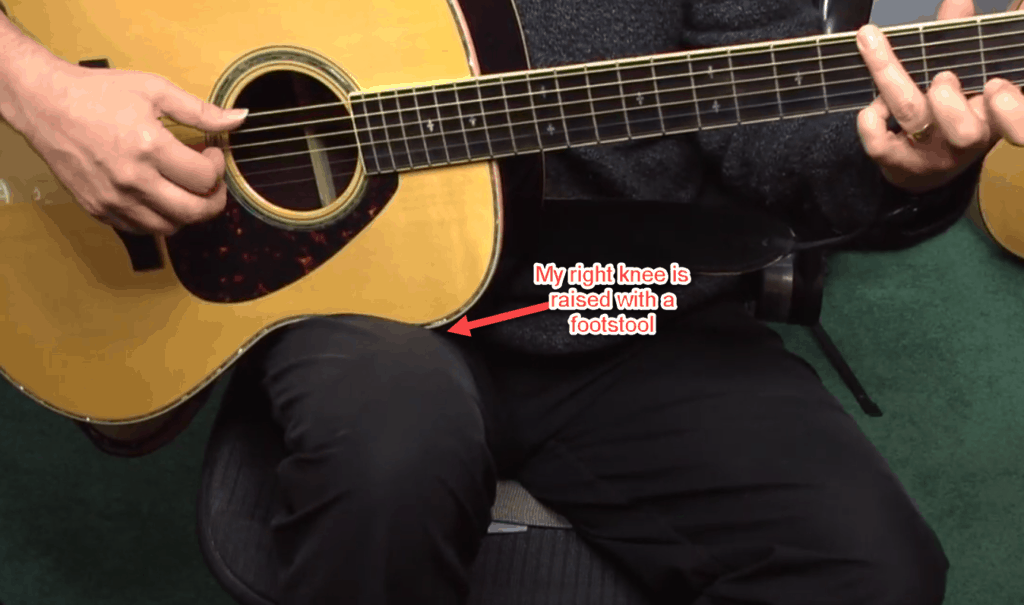
Establishing the right sitting position is crucial for both comfort and effective guitar playing. A proper posture promotes better technique and reduces the risk of strain during practice or performance. This section Artikels the ideal sitting posture along with the significance of leg placement and support for the guitar.The ideal sitting position for playing the guitar requires the player to maintain a straight back while keeping the shoulders relaxed.
It is essential that the guitar rests comfortably against the body, allowing for easy access to the fretboard and strings. The player’s feet should be flat on the ground, or if a footstool is used, the foot on the footstool should be at a 90-degree angle to the knee. This position helps to stabilize the body and supports the guitar evenly.
Leg Placement and Support for the Guitar
The placement of the legs plays a significant role in achieving a comfortable and effective playing position. A correct setup will not only provide stability but will also enhance the overall playing experience. Below is a table comparing different sitting positions and their advantages:
| Sitting Position | Advantages |
|---|---|
| Flat Feet on the Ground |
|
| One Foot on a Footstool |
|
| Crossed Legs |
|
| Legs Spread Apart |
|
The right sitting position, combined with proper leg placement, can greatly enhance a player’s ability to practice and perform effectively. Prioritizing comfort and technique not only aids in skill development but also fosters a more enjoyable playing experience.
The Correct Standing Technique

When playing the guitar while standing, maintaining proper technique is crucial for both comfort and overall performance. The way you hold your guitar can significantly impact your ability to play effectively, as well as your posture and physical well-being over extended periods. This section will Artikel the recommended practices for holding a guitar while standing and the importance of a guitar strap in ensuring stability and comfort.To begin, it is essential to understand the correct way to hold your guitar when standing.
The guitar should be positioned in a way that allows you to access the fretboard easily while maintaining a natural arm position. Your dominant hand should hover comfortably over the strings, allowing for fluid movement without unnecessary strain. The guitar body should rest against your body, with the neck angled slightly upward. This position helps facilitate easier fretting and strumming.
Importance of a Guitar Strap
A guitar strap plays a vital role in enhancing comfort and stability while standing. It supports the weight of the instrument, thereby reducing the strain on your arms and back. The strap allows the guitar to be held at a consistent height, enabling better access to the fretboard and strings without needing to constantly readjust your hold. When selecting a guitar strap, consider the following factors to ensure it meets your needs:
Material
Choose a strap made of durable yet comfortable material, such as leather or padded nylon, to reduce discomfort during extended play.
Width
A wider strap can distribute weight more evenly across your shoulder, which can alleviate pressure points and enhance comfort.
Adjustability
An adjustable strap enables you to customize the length, ensuring that the guitar is positioned at the ideal height for your playing style and stature.
Design
While aesthetics are important, prioritize functionality and comfort when selecting a design that suits your preferences.
Checklist for Proper Standing Posture
Maintaining proper posture is vital for preventing injuries and ensuring optimal performance. Below is a checklist to help you evaluate your standing technique while playing the guitar:
1. Foot Placement
Stand with your feet shoulder-width apart to promote balance.
2. Knees
Keep your knees slightly bent to prevent locking them, which can lead to discomfort.
3. Back Position
Maintain a straight back to avoid slouching; your spine should be aligned.
4. Shoulders
Relax your shoulders while keeping them down to avoid tension.
5. Head Position
Keep your head level, with your chin parallel to the floor, allowing for clear visibility of the fretboard.
6. Arm Position
Your arms should be in a relaxed position; avoid raising your elbows too high or letting them sag too low.By regularly checking your posture against this checklist, you can ensure that your playing technique remains comfortable and effective. Adopting these practices will help you enjoy your guitar playing experience without discomfort or potential injury.
Hand and Arm Positioning
The positioning of the hands and arms is crucial for effective guitar playing. Proper hand and arm alignment contributes significantly to comfort, reduces the risk of strain or injury, and enhances overall musicality. This section delves into the essential aspects of hand and arm positioning, focusing on the fretting hand and picking hand techniques.
Fretting Hand Positioning
The correct positioning of the fretting hand is vital for achieving accurate notes and chords. A proper fretting hand position allows for greater control over the strings, which is essential for both beginners and advanced players. Key points to consider include:
- Wrist Angle: The wrist should maintain a relaxed and slightly bent position while avoiding excessive tension. A straight wrist can lead to discomfort and limit finger mobility.
- Finger Arch: Fingers should be arched and positioned above the fretboard, allowing for precise finger placement on the strings. This arch aids in minimizing unwanted noise from adjacent strings.
- Thumb Position: The thumb should rest at the back of the neck, providing support. It should not wrap around the neck excessively, as this can hinder finger movement.
“Proper fretting hand positioning not only enhances playability but also fosters an environment for expressive performance.”
Picking Hand Placement
The placement of the picking hand is equally important for effective technique, especially in achieving various picking styles such as fingerpicking or strumming. An optimal position helps facilitate smooth transitions and enhances sound clarity. Essential considerations include:
- Wrist Position: The wrist should remain level and relaxed, allowing for fluid motion while picking. Avoid angles that cause strain.
- Hand Height: Depending on the style, the hand should hover just above the strings. For fingerstyle, fingers should be positioned close to the strings to allow for quick access.
- Fingers vs. Pick: When using a pick, grip it firmly but not so tightly that it restricts movement. When fingerpicking, utilize the tips of the fingers or nails for better control and tone.
“Achieving the right picking hand position enhances the overall sound and precision of guitar performance.”
Diagrams of Ideal Hand Positions
Visual representations of hand positions for various playing styles provide valuable guidance for guitarists. Below are descriptions of ideal hand positions that can serve as a reference:
1. Standard Fretting Position
The fretting hand is shown with fingers arched over the fretboard, thumb resting comfortably on the back of the neck, wrist slightly bent.
2. Fingerstyle Picking Position
The picking hand is positioned over the strings, fingers poised to pluck, with the palm hovering just above the soundhole or strings.
3. Strumming Position with Pick
The strumming hand is depicted with a relaxed wrist, holding the pick lightly, swinging in an arc motion across the strings.These diagrams can be particularly helpful in ensuring that players adopt proper techniques early in their learning process, ultimately leading to more effective and enjoyable guitar playing.
Adjusting Strap Length and Height
Finding the optimal strap length and height for your guitar is essential for maintaining comfort and achieving proper playing posture. An adequately adjusted strap can significantly alleviate physical strain and enhance your overall playing experience, whether standing or sitting. This adjustment is crucial for both electric and acoustic guitars, ensuring that the instrument is positioned correctly relative to your body.To achieve the best height for your playing style, consider your personal comfort and the specific techniques you use.
Different genres of music may require varied positioning, which affects how the guitar sounds and how easily you can reach the fretboard. Below are steps to help you find the right strap length and height based on your playing style.
Steps to Adjust Guitar Strap Length and Height
Begin by evaluating your current setup and making necessary adjustments based on your playing preferences. Follow these steps to ensure your strap is set to the ideal length:
1. Initial Setup
Put on your guitar strap and let the guitar rest against your body in a comfortable position.
2. Standing Position
Stand upright with relaxed shoulders. Your guitar should sit around waist level, allowing your hands to easily reach the fretboard.
3. Sitting Position
If you often play while seated, adjust the strap to allow the guitar to rest comfortably on your thigh, mimicking the position you would use while standing.
4. Fine-Tuning
Make small adjustments by loosening or tightening the strap and checking the position frequently. Play a few chords to ensure comfort and accessibility.
5. Test Different Heights
Experiment with different strap heights while playing various styles to find what feels best for you.Understanding the effects of different strap adjustments can guide you in creating an optimal setup tailored to your needs.
Common Strap Adjustments and Their Effects
Adjusting the strap properly can lead to significant differences in comfort and playability. Here are some common strap adjustments and their effects:
Higher Strap Position
Raises the guitar closer to your chin, making it easier to reach the higher frets. This position is often preferred for intricate solos or lead playing.
Lower Strap Position
Lowers the guitar towards your waist, providing a relaxed stance that may benefit rhythm playing but could make higher notes harder to reach.
Tightening the Strap
Keeps the guitar firmly against your body, reducing movement and improving stability during fast-paced playing.
Loosening the Strap
Allows for more freedom of movement, which can be beneficial for styles requiring a lot of body motion, such as rock or funk.
Centering the Strap
Ensures the guitar is balanced and does not pull to one side, which can be especially important for heavier instruments like electric guitars.
“An appropriately adjusted guitar strap enhances comfort and facilitates better playing technique, making it easier to focus on the music rather than physical discomfort.”
Muscle Memory and Practice Techniques
Developing muscle memory is an essential aspect of mastering guitar technique and enhancing overall comfort while playing. This process not only involves repetitive practice but also requires a focus on proper posture and hand positioning from the beginning. By dedicating time to practice correctly, musicians can avoid the formation of bad habits that may hinder their progress.Muscle memory is cultivated through consistent and deliberate practice, allowing the body to perform complex movements with ease and fluidity.
To achieve this, focus on the following methods that emphasize skill development in posture and hand positioning:
Deliberate Practice Strategies
Engaging in deliberate practice is crucial for enhancing muscle memory. This approach involves setting specific goals for each practice session and concentrating on refining particular techniques. Consider the following strategies:
- Break down complex pieces into smaller sections: By practicing one measure or phrase at a time, you can isolate specific techniques and reinforce muscle memory more effectively.
- Use a metronome: Practicing at a consistent tempo helps in developing timing and precision, allowing you to focus on posture and hand positioning without rushing.
- Record yourself: Listening to recordings of your practice sessions can help identify areas for improvement and ensure that proper technique is being maintained.
- Focus on slow practice: Slowing down the tempo allows for greater focus on hand positioning and posture, ensuring that movements are executed correctly and comfortably.
Incorporating these strategies into your practice routine can significantly enhance your technique, leading to increased comfort while playing.
The Importance of Slow Practice
Slow practice plays a vital role in mastering posture and comfort on the guitar. By taking the time to practice at a reduced speed, players can develop a deeper awareness of their body mechanics and ensure that each movement is intentional and accurate. When practicing slowly, consider the following benefits:
- Enhanced muscle awareness: Slower tempos allow you to pay closer attention to the physical sensations involved in playing, helping to build the correct muscle memory.
- Reduced tension: Practicing at a slower pace helps identify any areas of tension in the hands, arms, and shoulders, allowing you to address them proactively.
- Improved accuracy: Slow practice aids in executing notes cleanly and accurately, which is crucial for building confidence in your playing.
- Ability to integrate technique: Focusing on posture and hand positioning while playing slowly ensures that these aspects become second nature as you gradually increase the tempo.
By embracing slow practice as an integral part of your routine, you can create a solid foundation for comfortable and effective playing, paving the way for future progression on the instrument.
“Slow practice is not a sign of weakness; it is a pathway to mastery.”
Overcoming Discomfort and Pain
Playing the guitar is a rewarding experience, but it can often lead to discomfort and pain if proper techniques are not employed. Addressing these issues early on is essential for maintaining a long and enjoyable playing career. Understanding the common sources of discomfort, employing preventative strategies, and incorporating effective stretches and exercises are key to playing comfortably and healthily.Identifying sources of discomfort while playing the guitar is the first step in mitigating pain.
Common issues may arise from poor posture, improper technique, or inadequate instrument size. Additionally, prolonged playing without breaks can lead to muscle fatigue and strain. Being aware of these sources allows musicians to address them proactively.
Common Sources of Discomfort
The following points highlight prevalent causes of discomfort among guitar players, which can disrupt practice and performance:
- Improper Guitar Size: A guitar that is too large or too small can cause unnecessary strain on the hands, arms, and back.
- Poor Posture: Slouching or awkward positioning can lead to back and neck pain, as well as hinder effective playing.
- Incorrect Hand Position: Holding the neck of the guitar at an uncomfortable angle can result in wrist strain and finger fatigue.
- Lack of Breaks: Continuous playing without rest can lead to overuse injuries, such as tendinitis.
Preventative Measures to Avoid Strain and Injury
To maintain comfort while playing, it is crucial to adopt preventative measures. Here are several strategies that can be implemented:
- Choose the Right Guitar: Select a guitar that fits your body size and playing style to ensure ease of use.
- Practice Good Posture: Maintain a straight back and relaxed shoulders while sitting or standing to reduce tension.
- Use Proper Technique: Focus on efficient hand and finger movements to minimize strain on your muscles.
- Take Regular Breaks: Schedule short breaks during practice to rest your hands and avoid fatigue.
Stretches and Exercises to Alleviate Discomfort
Incorporating stretches and exercises into your routine can significantly reduce discomfort. Here are some recommended stretches and exercises that target various muscle groups used in guitar playing:
- Wrist Flexor Stretch: Extend one arm in front of you with the palm facing up. Use the other hand to gently pull back the fingers, stretching the wrist. Hold for 15-30 seconds and switch sides.
- Shoulder Rolls: Roll your shoulders forward and backward in a circular motion for 10 repetitions each way to relieve tension in the shoulders and neck.
- Neck Stretch: Tilt your head to one side, bringing your ear close to your shoulder. Hold for 15-30 seconds and switch sides to stretch the neck muscles.
- Finger Stretches: Open your hand wide, stretching your fingers apart, and then make a fist. Repeat this sequence 10 times to enhance finger flexibility.
By recognizing discomfort sources, employing preventative strategies, and regularly practicing targeted stretches and exercises, guitar players can enhance their comfort and longevity in playing. Taking care of your body is just as important as mastering your instrument.
Closing Summary
In summary, mastering the art of holding a guitar for comfort and proper technique is crucial for any aspiring musician. By focusing on the detailed aspects covered in this guide, such as posture, size selection, and muscle memory, guitarists can elevate their skills and enjoy a more fulfilling musical journey. Remember, investing time in perfecting your technique not only enhances your performance but also ensures a pleasurable and pain-free playing experience.