How to Tune a Guitar with an Electronic Tuner is an essential skill for any guitarist, whether you are a beginner or a seasoned player. Electronic tuners have revolutionized the way musicians tune their guitars, providing accuracy and ease that traditional methods often lack. With various types of electronic tuners available, such as clip-on tuners, pedal tuners, and app-based options, guitarists can choose the best tool that fits their needs and preferences.
Preparing your guitar for tuning is crucial, as ensuring string condition and proper environmental factors can significantly affect the tuning process. By following the Artikeld steps and utilizing the functionalities of an electronic tuner, you can achieve perfect pitch and explore different tuning alternatives with confidence.
Introduction to Electronic Tuners

Electronic tuners serve a crucial role in the musical world, particularly for guitarists aiming for precise tuning. These devices detect the pitch of the strings and provide an immediate visual or auditory feedback, allowing musicians to achieve accuracy quickly and efficiently. The convenience and reliability of electronic tuners have made them a preferred choice over traditional tuning methods, especially for beginner musicians and those performing in various settings.Various types of electronic tuners are available in the market, catering to the diverse needs of guitarists.
Each type has unique features that make it suitable for different environments and preferences. The most common types include clip-on tuners, pedal tuners, and app-based tuners.
Types of Electronic Tuners
Understanding the different types of electronic tuners is essential for selecting the right one for your needs. Each type offers distinct benefits that can enhance your tuning experience:
- Clip-on Tuners: These compact devices attach directly to the headstock of the guitar. They are highly portable, making them ideal for quick adjustments during practice or performances. Clip-on tuners detect vibrations from the instrument, ensuring accurate readings even in noisy environments.
- Pedal Tuners: Typically used by electric guitarists, pedal tuners are placed on the pedalboard for easy access during live performances. They provide robust features such as true bypass switching, ensuring that the signal chain remains unaffected when the tuner is not in use. Many models also offer options for different tuning modes and polyphonic tuning.
- App-based Tuners: With the rise of smartphones, numerous applications have been developed for tuning guitars. These apps utilize the device’s microphone to detect pitch and provide visual feedback, making them convenient for musicians on the go. Many app-based tuners also offer additional features such as metronomes and chord libraries.
Using an electronic tuner offers several advantages over traditional tuning methods, such as tuning forks or pitch pipes. One significant benefit is the speed and convenience, as electronic tuners provide instant feedback and eliminate the guesswork involved in tuning by ear. Additionally, electronic tuners can often detect subtle pitch differences that may be difficult to perceive with traditional methods.
“Electronic tuners not only enhance the accuracy of guitar tuning but also empower musicians to focus on their performance rather than struggling with tuning.”
In summary, the diversity of electronic tuners available allows guitarists to choose a device that best suits their style and needs. The accuracy and efficiency of these tuners provide a valuable tool for musicians at all levels.
Preparing Your Guitar for Tuning
Before beginning the tuning process, it is essential to ensure that your guitar is in optimal condition. Proper preparation not only enhances the tuning accuracy but also contributes to the overall playability of the instrument. This section Artikels the necessary steps to prepare your guitar, ensuring that it is ready for precise tuning with an electronic tuner.
One of the first steps in preparing your guitar for tuning is to check the condition of the strings. Worn or damaged strings can significantly affect the tuning process, leading to inaccurate readings and poor sound quality. Additionally, adjustments may be needed at the tuning pegs to ensure they function properly and hold the tuning effectively. Furthermore, the environment in which your guitar is situated plays a crucial role in the tuning process.
Temperature and humidity levels can impact string tension and pitch, making it essential to provide a stable environment for accurate results.
Checking String Condition and Tuning Peg Adjustments
Ensuring that your guitar strings are in good condition is vital for achieving accurate tuning results. Here are essential steps to consider when checking the strings and tuning pegs:
- Inspect each string for signs of wear, such as fraying, rust, or discoloration. Consider replacing any strings that show significant signs of damage.
- Check for proper tension by plucking each string and observing whether it holds its pitch. If a string frequently goes out of tune, it may indicate a need for replacement.
- Ensure that the tuning pegs are functioning smoothly. It is advisable to tighten any loose tuners to prevent slipping during the tuning process.
- Clean the strings with a suitable string cleaner to remove dirt and oils, which can affect the sound quality and longevity of the strings.
Maintaining the right environment for your guitar is equally important. Here are some tips to ensure your guitar is in the ideal setting for tuning:
- Keep your guitar in an environment with stable temperature and humidity levels. Ideally, a room temperature of around 70°F (21°C) with humidity levels between 40-60% is recommended.
- Avoid exposing your guitar to direct sunlight or drastic temperature changes, as these can lead to warping or other damage.
- Use a hygrometer to monitor humidity levels, ensuring that they remain within the recommended range.
Prior to starting the tuning process, it is beneficial to have certain items readily available. This checklist ensures that you are fully prepared:
- An electronic tuner, which is essential for accurate tuning.
- A capodastre, if you typically use one, as its presence can affect tuning accuracy.
- A string winder, which can expedite the process of changing strings if necessary.
- A soft, clean cloth for wiping down the strings and body of the guitar.
- A tuner app on your smartphone as a backup option, in case the electronic tuner is unavailable.
Using an Electronic Tuner
Using an electronic tuner is one of the most efficient methods for tuning a guitar, providing accurate pitches and real-time feedback. These devices simplify the tuning process, making it accessible for both beginners and experienced musicians. This section Artikels the step-by-step process of using an electronic tuner, compares different tuner types, and highlights common mistakes to avoid.
Step-by-Step Process of Using an Electronic Tuner
To achieve optimal results while tuning your guitar with an electronic tuner, follow these steps carefully:
1. Power On the Tuner
Begin by turning on your electronic tuner. Ensure that it is set to the correct mode for guitar tuning.
2. Select the Tuning Mode
Most tuners have a setting specifically for standard tuning (E A D G B e) or other alternate tunings. Choose the appropriate mode based on your needs.
3. Pluck the String
Starting with the low E string, pluck the string gently with a pick or your fingers. Be mindful of the volume; a moderate plucking strength is ideal.
4. Observe the Tuner’s Reading
Look at the display. The tuner will indicate whether the pitch is sharp (higher than the target note), flat (lower than the target note), or in tune.
5. Adjust the String Tension
If the string is sharp, loosen the tuning peg; if it is flat, tighten the peg. Repeat the plucking and observing process until the tuner indicates that the string is in tune.
6. Repeat for All Strings
Continue this process for each string on the guitar. The tuning sequence typically goes from the lowest (E) to the highest (e) string.
7. Final Check
Once all strings are tuned, it’s advisable to go back and check each string again, as tension adjustments can affect nearby strings.
Comparison of Tuning Processes for Different Types of Tuners
Various types of electronic tuners may have distinct features affecting the tuning process. Below is a comparison table highlighting these differences:
| Type of Tuner | Characteristics | Ease of Use | Accuracy |
|---|---|---|---|
| Clip-On Tuner | Attaches to the headstock, detects vibrations directly | Very easy; operates in noisy environments | High accuracy, usually within ±1 cent |
| Pedal Tuner | Used by guitarists on stage, foot-operated | Moderate; suitable for live performances | Excellent accuracy, reliable even under stage conditions |
| App Tuner | Phone or tablet app, uses microphone | Convenient; may require a quiet environment | Variable; generally good but can be affected by ambient noise |
Common Mistakes to Avoid When Using an Electronic Tuner
Understanding common pitfalls can enhance the tuning experience and ensure precision. Consider the following mistakes to avoid:
Tuning in Noisy Environments
Background noise can interfere with the tuner’s ability to detect the pitch accurately. Always try to tune in a quiet space.
Over-Tightening Strings
Adjusting the tuning pegs too aggressively may lead to string breakage. Make gradual adjustments and check frequently.
Not Calibrating the Tuner
Some tuners allow for calibration to different reference pitches (e.g., A440). Ensure your tuner is calibrated correctly.
Neglecting String Age
Old or worn strings may not hold tuning as well as new strings. Regularly replace strings for better tuning stability.
Ignoring Temperature Changes
Temperature fluctuations can affect string tension. If tuning in different environments, allow the guitar to acclimate before tuning.
Proper technique and awareness of these common mistakes will lead to consistently accurate tuning, enhancing your overall playing experience.
Tuning to Standard Pitch
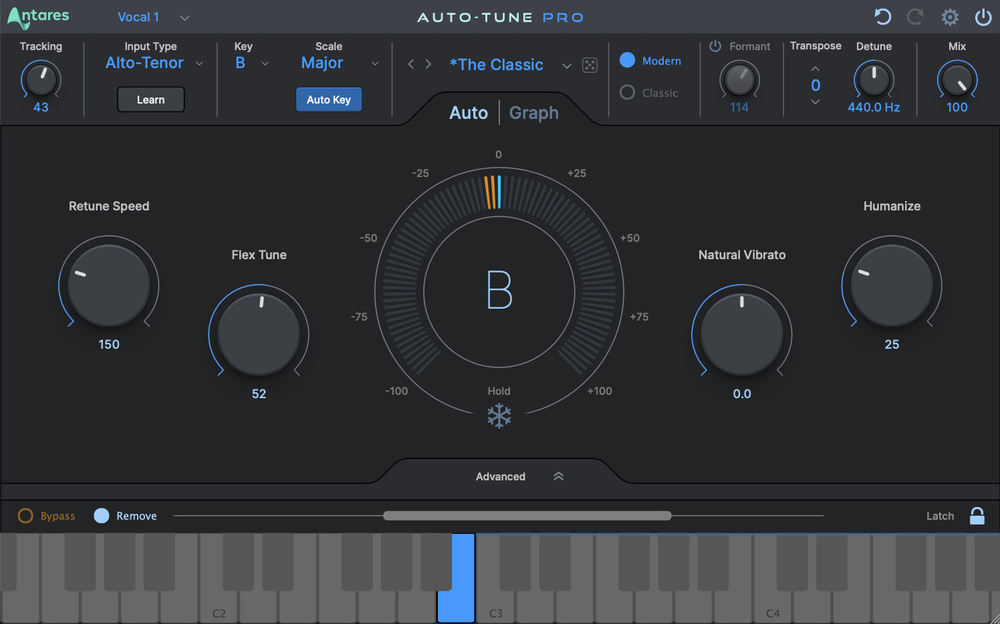
Tuning a guitar to standard pitch is essential for achieving a harmonious sound that aligns with most musical compositions. Standard tuning sets the foundation for guitar playing, ensuring that notes sound correct when played together. This tuning involves adjusting each string to specific pitches, which are universally recognized across various music styles.Tuning to standard pitch involves aligning each of the guitar’s six strings to the frequencies associated with the notes E, A, D, G, B, and E, from the lowest to the highest string.
The frequencies in hertz (Hz) for standard tuning are as follows:
- E (6th string)
- 82.41 Hz
- A (5th string)
- 110.00 Hz
- D (4th string)
- 146.83 Hz
- G (3rd string)
- 196.00 Hz
- B (2nd string)
- 246.94 Hz
- E (1st string)
- 329.63 Hz
By ensuring each string is tuned to its corresponding frequency, the guitar will produce a rich and resonant tone.
Notes for Tuning Each String
When tuning your guitar to standard pitch, it is helpful to know the specific notes to play for each string. The following list Artikels the notes to be played when tuning each string to achieve the correct pitch:
- 6th String (E): Play the E note at the 5th fret of the 5th string (A) to tune.
- 5th String (A): Play the A note at the 5th fret of the 6th string (E) to tune.
- 4th String (D): Play the D note at the 5th fret of the 5th string (A) to tune.
- 3rd String (G): Play the G note at the 4th fret of the 4th string (D) to tune.
- 2nd String (B): Play the B note at the 5th fret of the 3rd string (G) to tune.
- 1st String (E): Play the E note at the 5th fret of the 2nd string (B) to tune.
“Precise tuning is crucial for achieving musical coherence and enhancing the overall sound of your guitar.”
It is essential to ensure each string is accurately tuned to its designated pitch to create the best sound quality while playing. Following this guide will help you maintain standard tuning, making your guitar sound its best across various musical genres.
Alternative Tunings

Alternative tunings offer guitarists a creative way to explore new sounds and styles beyond standard tuning. These tunings can dramatically alter the tonal characteristics of the guitar and can inspire unique songwriting and playing techniques. A few popular alternative tunings include Drop D, Open G, and DADGAD, each having its own distinct sound and application in various music genres.Using an electronic tuner is essential for accurately achieving these alternative tunings.
Since these tunings differ from standard tuning, precise adjustment is necessary to ensure that each string is tuned to the correct pitch. Below are some common alternative tunings along with guidelines on how to use an electronic tuner to achieve them.
Popular Alternative Tunings
Understanding the differences in pitch between standard tuning and various alternative tunings can greatly enhance your musical versatility. The following table Artikels the note differences, showcasing the unique pitches utilized in popular alternative tunings.
| Tuning | 6th String | 5th String | 4th String | 3rd String | 2nd String | 1st String |
|---|---|---|---|---|---|---|
| Standard E | E | A | D | G | B | E |
| Drop D | D | A | D | G | B | E |
| Open G | D | G | D | G | B | D |
| DADGAD | D | A | D | G | A | D |
To achieve these tunings with an electronic tuner, follow these steps:
1. Select the Tuning Mode
Many electronic tuners allow you to select specific tunings. If available, choose the desired alternative tuning mode.
2. Tune One String at a Time
Pluck the string you want to tune and adjust the pitch until the tuner indicates that it is in tune.
3. Repeat for Each String
Move to the next string and repeat the tuning process. Make sure to regularly check the tuning after adjusting other strings, as changing the tension can affect the overall tuning.
4. Fine-Tune the Adjustments
Once all strings are tuned, play chords and scales to ensure the guitar sounds harmonious. Make minor adjustments as needed.By mastering alternative tunings, guitarists can expand their musical repertoire and find new ways to express their creativity.
Maintenance of Electronic Tuners

Maintaining an electronic tuner is essential for ensuring its longevity and accuracy. Proper care will help prevent issues that could arise from wear and tear, particularly with the delicate electronic components. By following a few simple guidelines, you can keep your tuner functioning optimally for years to come.Regular maintenance practices can greatly enhance the life of your electronic tuner. To begin with, it is important to be aware of when and how to replace batteries, as well as to troubleshoot common issues that may arise during use.
Below are some recommendations and care practices to ensure your electronic tuner remains in good condition.
Battery Replacement Procedures
When your electronic tuner starts to show signs of low battery, such as dim display or inaccurate readings, it is crucial to replace the battery promptly. Most tuners either utilize button-cell batteries or standard AA/AAA batteries. The following steps Artikel the general process for battery replacement:
1. Determine Battery Type
Refer to the user manual to confirm the specific battery type your tuner requires.
2. Power Off the Tuner
Ensure the tuner is turned off to avoid any electrical issues.
3. Open the Battery Compartment
Locate the battery compartment, typically found on the back or side of the tuner. Use a small screwdriver if the compartment is secured.
4. Remove the Old Battery
Carefully take out the old battery, noting the orientation of the positive (+) and negative (-) ends.
5. Insert the New Battery
Place the new battery in the compartment following the same orientation as the old one.
6. Close the Compartment
Secure the compartment back in place and turn on the tuner to check functionality.
Troubleshooting Common Issues
Occasionally, electronic tuners may present issues that can be easily resolved. Below are some common problems and their solutions:
No Power
If the tuner does not turn on after battery replacement, check to ensure the battery is installed correctly and that it is not depleted. If issues persist, inspect for any signs of corrosion in the battery compartment.
Inaccurate Tuning
If tuning seems off, ensure the tuner is set to the correct mode (e.g., chromatic or standard). Additionally, recalibrating the tuner may resolve discrepancies.
Display Malfunctions
A flickering or blank display often indicates a need for battery replacement. If the problem continues after replacing the battery, consult your user manual for further troubleshooting or consider professional repair.
Recommended Care Practices for Electronic Tuners
Adopting good care practices can significantly enhance the performance and longevity of your electronic tuner. The following practices are recommended:
- Store the tuner in a protective case when not in use to prevent physical damage.
- Avoid exposing the tuner to extreme temperatures or humidity, which may harm its internal components.
- Clean the tuner regularly with a soft, dry cloth to remove dust and smudges that can interfere with operation.
- Ensure the tuner is used in quiet environments to avoid interference with its sensors.
- Consider using a surge protector when using the tuner in conjunction with amplifiers or other electronic devices to prevent voltage spikes.
By adhering to these maintenance guidelines, you can maximize the lifespan of your electronic tuner, ensuring it remains a reliable tool for all your musical needs.
Advanced Tuning Techniques
Achieving precise tuning is essential for any guitarist, especially in live performance settings or when collaborating with other musicians. Advanced tuning techniques can enhance your overall sound and ensure that your guitar plays harmoniously with various instruments. This section delves into fine-tuning, the use of harmonics, and tips for tuning in diverse environments.
Fine-Tuning with an Electronic Tuner
Fine-tuning involves making subtle adjustments to the pitch of the guitar strings to achieve a perfect tone. This technique is crucial for ensuring that your guitar sounds its best, particularly when playing alongside other instruments. To fine-tune with an electronic tuner, follow these steps:
1. Initial Tuning
First, use your electronic tuner to bring each string close to the standard pitch. This provides a solid foundation.
2. Check for Accuracy
Once the initial tuning is done, pluck each string while observing the tuner. Pay attention to the indicator; it will show whether the pitch is sharp (too high) or flat (too low).
3. Make Minor Adjustments
If the tuner indicates the string is slightly sharp, turn the tuning peg counterclockwise to lower the pitch. Conversely, if the string is flat, turn the peg clockwise to raise the pitch.
4. Re-Check Each String
After fine-tuning, revisit each string to ensure they remain in tune after the adjustments, as one string’s tuning can affect another.
“Fine-tuning is an essential process for achieving harmony, especially in ensemble settings.”
Tuning by Harmonics
Harmonics are overtones produced when a string is lightly touched at specific points along its length. Tuning by harmonics can be a sophisticated method to ensure precise pitch alignment, as it allows you to compare the pitches of the strings directly.To tune using harmonics, follow these steps:
1. Create Harmonics
Lightly touch the 5th fret of the low E string and pluck it. Then, create a harmonic on the 7th fret of the A string.
2. Listen for Matching Pitches
Adjust the A string until the harmonic sound matches the pitch of the E string harmonic.
3. Repeat for Other Strings
Continue this process by using the 5th fret of the A string and the harmonic on the 7th fret of the D string, and so forth for the remaining strings.
4. Cross-Check with the Electronic Tuner
After tuning by harmonics, use your electronic tuner to verify that each string is accurately tuned to standard pitch.
“Tuning by harmonics provides a higher level of accuracy, especially in ensemble settings.”
Tuning in Different Environments
The environment can significantly impact how your guitar is perceived, especially in live performances. Different settings, such as outdoor venues versus intimate indoor spaces, may require specific tuning strategies.Consider the following techniques for effective tuning in various environments:
Windy Conditions
When performing outdoors, wind can carry sound away and create challenges for accurate tuning. Use a windscreen for your tuner or choose a sheltered spot to minimize interference.
Acoustic Interference
In rooms with high ceilings or reflective surfaces, sound can bounce, leading to pitch discrepancies. Use your electronic tuner to frequently check your pitch as the acoustics can change the perceived tuning.
Tuning with Other Instruments
When playing with other musicians, it’s crucial to collaborate on tuning. Confirm that your electronic tuner is set to the same calibration as others, and consider tuning to a common pitch standard to ensure harmony.
“Adapting your tuning approach according to the performance environment ensures optimal sound quality.”
Resources and Tools
To enhance your guitar tuning experience, there are several additional tools and resources available beyond electronic tuners. These tools can provide alternative methods of tuning or supplementary assistance for guitar players at all levels. Understanding these resources can significantly improve the accuracy and efficiency of tuning your guitar.Various tools can aid in the guitar tuning process, each offering unique advantages.
Among these, pitch pipes and tuning forks are traditional and reliable methods for achieving the desired pitch. Pitch pipes produce specific notes that guide the player in tuning each string to the correct pitch, while tuning forks emit a pure tone that can be compared against the guitar strings for accurate tuning. Both methods require a good ear but can be particularly useful for those looking to develop their auditory skills.
Useful Apps and Websites
In today’s digital age, various applications and websites provide excellent tuning resources. These platforms often combine advanced technology with user-friendly interfaces, making tuning more accessible. Some notable applications and websites include:
GuitarTuna
An easy-to-use app featuring an intuitive interface and a variety of tuning options, including standard and alternate tunings. Available for both iOS and Android devices.
Fender Tune
A comprehensive app that offers a tuner, chord library, and instructional videos. It is suitable for beginners and experienced players alike.
Ultimate Guitar Tuner
A web-based tuner that provides standard and alternative tunings, along with a chord library and other resources.
PitchLab
An advanced app that offers real-time tuning feedback and supports various instruments, including guitars.
Recommended Electronic Tuners
Selecting the right electronic tuner is essential for achieving accurate tuning. Here is a list of recommended electronic tuners suitable for everyone from beginners to professionals, ensuring you find the perfect fit for your needs:
Snark SN-8
A highly popular clip-on tuner known for its accuracy and user-friendly design, ideal for beginners.
Korg CA-50
This versatile tuner offers a wide range of tuning options, including chromatic capabilities, making it suitable for various instruments.
Boss TU-3
A professional-grade pedal tuner widely used by musicians on stage, known for its reliability and precision.
D’Addario NS Mini
A compact clip-on tuner that provides precise tuning in a small form factor, perfect for travel and convenience.
Peterson StroboPlus HD
A high-end tuner that offers advanced tuning options and an extensive range of features for professional musicians.These resources and tools can significantly enhance your guitar tuning experience, helping you achieve perfect pitch and explore various musical possibilities.
Epilogue
In conclusion, mastering the art of tuning a guitar with an electronic tuner not only enhances your playing experience but also expands your musical repertoire. By understanding the functionalities of your tuner, maintaining it properly, and exploring various tuning techniques, you can ensure that your guitar sounds its best. Embrace the convenience of modern technology and elevate your musical journey with precise and effortless tuning.