How to Strum Without Hitting the Wrong Strings is a guiding light for aspiring guitarists seeking to elevate their skills. Mastering the art of strumming is not just about rhythm; it encompasses a deep understanding of hand positioning, string awareness, and the various techniques that can enhance one’s playing. As we delve into this topic, we will uncover the essential elements that will help you strum with confidence and precision.
This exploration will cover fundamental concepts, effective hand positioning, and various strumming patterns. Additionally, we will examine the advantages and disadvantages of using a pick versus fingerstyle, the importance of rhythm and timing, and specific exercises designed to refine your strumming accuracy. With this comprehensive approach, you will be equipped to avoid common pitfalls and improve your overall guitar performance.
Basics of Strumming Technique

Strumming is a fundamental skill for any guitarist, as it serves as the rhythmic backbone of many musical styles. Mastering this technique not only enhances your playing but also allows you to express a wider range of musical ideas. Understanding the fundamentals of strumming can significantly improve your overall guitar experience.It is essential to develop a strong awareness of the strings you are strumming.
Different strings produce different sounds, and knowing which strings to hit is crucial for creating the desired chord progressions and melodies. String awareness involves recognizing the correct strings to strum for various chords and how to avoid unwanted sounds from adjacent strings.
Common Mistakes in Strumming
Beginners often encounter challenges while learning to strum correctly. Recognizing and addressing these common errors can lead to a more enjoyable and effective playing experience. Here are some mistakes commonly made by novice guitarists:
- Strumming Too Hard: Many beginners apply excessive force when strumming, leading to a harsh sound and lack of control. A light touch often produces a more pleasant tone.
- Inconsistent Rhythm: Developing a steady rhythm is crucial. Beginners may find themselves speeding up or slowing down, disrupting the flow of the music.
- Neglecting String Selection: Hitting the wrong strings can change the intended sound of a chord. Beginners often fail to focus on which strings correspond to the chords they are playing.
- Poor Hand Position: Incorrect positioning of the strumming hand can hinder fluid movement. A relaxed wrist and proper hand angle are vital for effective strumming.
- Overlooking Technique: Some players may ignore the importance of technique in favor of speed. Developing a solid strumming technique takes time and patience but is essential for long-term success.
Each of these mistakes can be addressed through mindful practice and awareness, ultimately leading to enhanced strumming skills and greater musical enjoyment.
Hand Positioning
Achieving the proper hand positioning is integral for effective strumming on the guitar. A well-structured grip not only enhances your control over the strings but also ensures a more relaxed playing style, which is essential for long practice sessions. Understanding how to position your hand correctly can significantly influence your strumming technique and the overall sound produced.
Ideal Hand Position for Effective Strumming
The ideal hand position for strumming involves a few key factors that contribute to consistency and accuracy. Your hand should be above the strings, with the wrist relaxed and slightly arched. This positioning allows for fluid movement while avoiding unnecessary tension, which can lead to fatigue or discomfort during longer practice sessions. Additionally, your fingers should be able to move freely, facilitating an accurate strike on the desired strings.
To achieve this, consider the following techniques to maintain a relaxed and comfortable grip:
- Wrist Alignment: Keep your wrist in a neutral position. Avoid bending it too much to either side, as this can lead to discomfort and restrict movement.
- Grip Pressure: Use a light grip. Your fingers should be able to move effortlessly; gripping too tightly can cause tension and affect your strumming quality.
- Hand Angle: Position your hand at a slight angle to the strings. This helps in striking the strings cleanly without accidentally muting others.
The way you position your fingers plays a pivotal role in how effectively you can hit the right strings. If your fingers are too far back or too far forward, you risk missing the target strings or unintentionally hitting those you wish to avoid. The following factors illustrate how finger placement affects your ability to strike the strings correctly:
- Finger Extension: Allow your fingers to extend naturally towards the strings. This promotes a more controlled strum and better accuracy.
- Fingertip Contact: Aim to strike the strings with the fleshy part of your fingers or the pick, depending on your playing style. This will produce a fuller sound and prevent accidental muting of adjacent strings.
- Relaxed Fingers: Keep your fingers relaxed while strumming. Tension can lead to erratic strumming patterns and unintended string hits.
In summary, the right hand position and finger placement are essential for effective strumming. By ensuring your hand is relaxed and properly aligned, you can achieve greater control over your strumming technique, leading to a more enjoyable and productive playing experience.
Strumming Patterns

Strumming patterns play a vital role in shaping the character of a song, providing rhythm and enhancing musical dynamics. Each genre of music often employs distinct strumming patterns, contributing to its unique sound. By mastering various patterns, guitarists can effectively convey the intended emotion and energy of the music.Understanding how to practice these patterns is equally essential. Developing muscle memory and ensuring accuracy in striking the correct strings will enhance overall performance.
Below, a collection of common strumming patterns is presented, along with their rhythmic values, facilitating both learning and application across different music styles.
Common Strumming Patterns
The following table illustrates several common strumming patterns along with their respective rhythmic values. These patterns are essential for various genres, from pop to rock and folk.
| Strumming Pattern | Rhythmic Value | Genre Examples |
|---|---|---|
| Down, Down, Up, Up, Down, Up | 4/4 | Pop, Rock |
| Down, Down, Down, Up, Down | 4/4 | Country, Folk |
| Down, Up, Down, Up | 4/4 | Folk, Acoustic |
| Down, Up, Down, Up, Down | 3/4 | Waltz |
| Down, Up, Up, Down, Up | 4/4 | Funk, R&B |
To practice these patterns effectively and avoid hitting the wrong strings, consider the following techniques:
1. Slow Practice
Begin at a slow tempo, focusing on the accuracy of each strum. Gradually increase the speed as you become more comfortable.
2. Use a Metronome
Practicing with a metronome helps maintain a steady tempo. Start slow and increase the speed incrementally.
3. Isolate the Pattern
Before applying the pattern to a song, practice it in isolation to ensure mastery over string hits.
4. Visualize the Pattern
Mentally map out the pattern while strumming. This visualization can reinforce muscle memory and string accuracy.
5. Record Yourself
Listening back to recordings can provide insight into areas needing improvement.Employing these practice techniques will cultivate confidence and precision, allowing guitarists to explore various strumming patterns with ease, enhancing their musical repertoire.
Using a Pick vs. Fingers
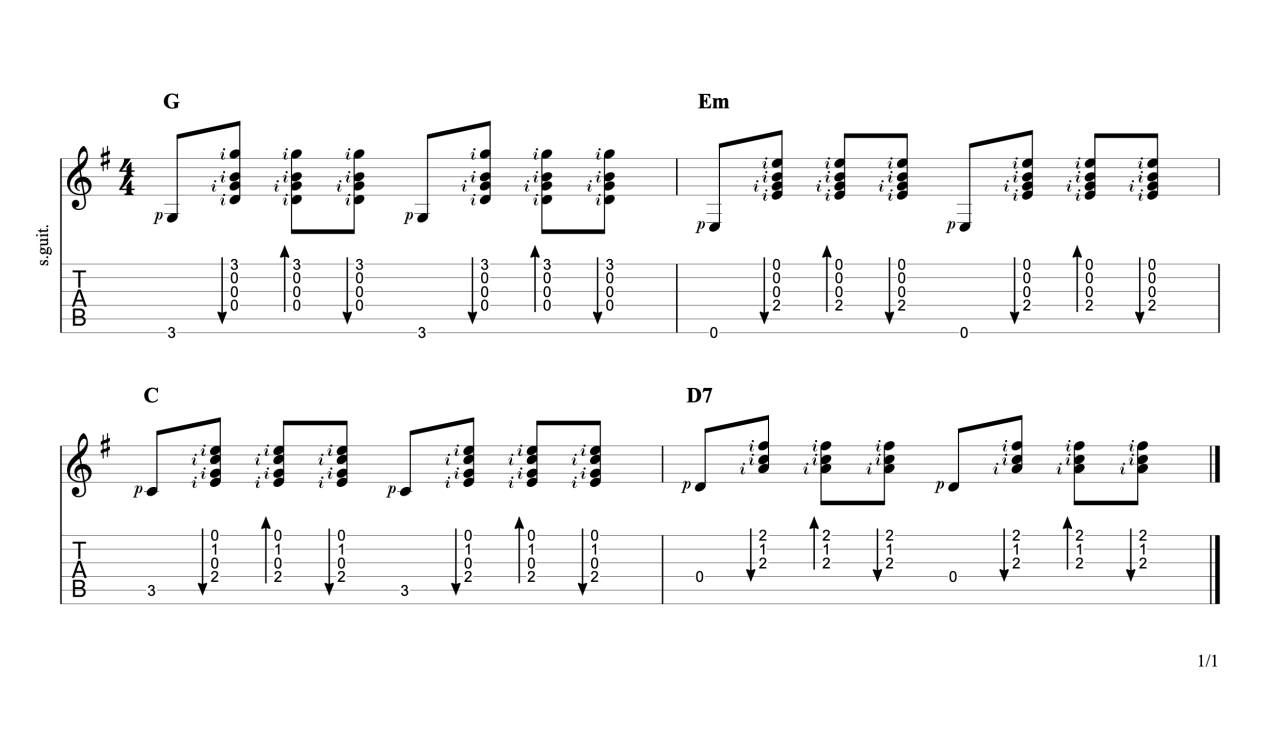
In the realm of guitar strumming techniques, one fundamental choice that players face is whether to use a pick or their fingers. Both methods possess unique characteristics that influence not only the sound produced but also the player’s control over string accuracy. Understanding the advantages and disadvantages of each technique can greatly enhance your playing experience and suitability for different musical styles.The choice between using a pick or fingerstyle can significantly affect the accuracy with which strings are struck.
While a pick allows for precise and consistent strumming, fingerstyle provides a more nuanced touch. The method selected will directly influence the tone and dynamics of the music being played.
Advantages and Disadvantages of Each Technique
When choosing between a pick and fingers for strumming, it is crucial to consider the strengths and weaknesses of each method. The following points Artikel the pros and cons associated with both techniques:
- Using a Pick:
Provides a clear, bright sound and allows for consistent striking of strings.
- Pros: Enhanced projection and clarity, especially suited for genres like rock and pop.
- Cons: Can lead to a less dynamic range and subtlety in softer pieces.
- Fingerstyle:
Offers an intimate touch, allowing for greater expression and tonal variety.
- Pros: Greater control over dynamics, enabling softer or more intricate playing styles, suitable for folk, classical, and acoustic genres.
- Cons: May require more practice to achieve precision and can result in inconsistencies if not mastered.
Choosing the Right Technique Based on Musical Style
The decision to use a pick or fingers can often depend on the specific musical style being performed. Certain genres lend themselves more naturally to one technique over the other. For instance, in rock and metal genres, the use of a pick is often preferred due to its ability to produce strong, aggressive strumming patterns that cut through the mix of instruments.
Notable artists like Jimmy Page and Kirk Hammett exemplify this technique in their iconic performances.Conversely, fingerstyle is often favored in genres like classical and folk music, where intricate melodies and harmonies require more delicate handling. Renowned fingerstyle guitarists such as Tommy Emmanuel and Andy McKee showcase the expressive potential of this method through complex arrangements and rich tonality.Ultimately, the choice between using a pick or fingers should align with the desired sound and the specific demands of the music being played, allowing musicians to craft their unique sound effectively.
Rhythm and Timing

The significance of rhythm and timing in strumming cannot be overstated. Rhythm serves as the backbone of music, providing structure and flow to a piece. It dictates how notes and chords are articulated, ensuring that the performance is cohesive and engaging. Effective strumming relies heavily on one’s ability to maintain a steady rhythm, which in turn enhances the overall musical experience for both the player and the audience.
Improving timing while strumming is essential for developing a solid musical foundation. Musicians often use various methods to refine their timing and ensure their strumming complements the rhythm of the piece being played. Below, we explore techniques to enhance rhythmic accuracy and a table that Artikels common time signatures along with their implications for strumming.
Methods to Improve Timing When Strumming
Several techniques can be employed to hone timing skills in strumming. The following are practical methods that can help musicians develop a more precise sense of timing:
1. Metronome Practice
Using a metronome is one of the most effective ways to improve timing. Start at a slower tempo and gradually increase the speed as confidence builds.
2. Clapping Exercises
Before incorporating the instrument, practice clapping the rhythm of the piece. This helps internalize the beat and reinforces rhythmic patterns.
3. Subdivision of Beats
Understanding how to subdivide beats into smaller units (e.g., eighth notes, sixteenth notes) allows for more intricate strumming patterns and greater control over timing.
4. Recording and Playback
Record your strumming sessions and listen back to assess timing accuracy. This can reveal inconsistencies that may not be apparent during practice.
5. Playing Along with Backing Tracks
Utilizing backing tracks or playing along with other musicians can enhance timing as you learn to synchronize with different rhythmic elements.
Common Time Signatures and Their Strumming Implications
Understanding time signatures is crucial for effective strumming as they dictate how beats are organized in a measure. Below is a table illustrating common time signatures and their implications for strumming:
| Time Signature | Beats per Measure | Strumming Implications |
|---|---|---|
| 4/4 | 4 | Commonly used in pop and rock music; allows for versatile strumming patterns, including downstrokes on beats. |
| 3/4 | 3 | Creates a waltz-like feel; strumming often emphasizes the first beat, creating a lighter, flowing rhythm. |
| 6/8 | 6 | Used in ballads and folk music; gives a triplet feel, ideal for slower strumming patterns that highlight syncopation. |
| 2/4 | 2 | Common in march-style pieces; typically involves strong downstrokes on each beat, producing a driving rhythm. |
Mastering rhythm and timing through consistent practice ultimately leads to a more dynamic and engaging performance.
Exercises for Precision

To develop precision in your strumming technique, it is essential to engage in focused exercises that target string accuracy. These exercises will not only improve your strumming skills but also enhance your overall guitar playing ability. By dedicating time to practice specific drills, you will build muscle memory and confidence, allowing for more consistent performances.A well-structured practice routine can help reinforce the correct habits needed to hit the right strings.
The following exercises are designed to be integrated into your daily practice sessions, ensuring that you consistently work on strumming precision.
Specific Exercises for Enhanced Strumming Accuracy
Incorporating targeted drills into your practice routine can significantly improve your strumming accuracy. These exercises focus on building muscle memory and hand coordination.
- Single String Strumming: Select one string at a time and practice strumming only that string. This exercise helps you gain control over your strumming hand and improves your ability to isolate strings.
- Chord Progression Strumming: Choose a simple chord progression and practice strumming while focusing on hitting only the intended strings for each chord. For example, for a C major chord, strum the A, D, and G strings while avoiding the low E and high E strings.
- Mute and Strum: Place your palm lightly on the strings while strumming. This technique teaches you control and encourages accuracy since you must focus on where your strumming hand is positioned.
- Rhythmic Strumming Patterns: Work through various strumming patterns, paying close attention to which strings you are striking. Start slowly, then gradually increase your tempo as accuracy improves.
- Slow to Fast Transition: Begin strumming at a slow tempo, ensuring every strike is precise. Gradually increase the speed while maintaining accuracy, challenging your muscle memory.
Regularly practicing these exercises will lead to improved strumming accuracy, ensuring that you hit the correct strings with confidence and precision. Consistency is key; therefore, incorporating these drills into your daily routine will yield noticeable results over time.
Visual Aids and Tools
Utilizing visual aids and tools can significantly enhance the learning experience for guitarists, particularly in mastering strumming techniques. Visual representations, such as diagrams and videos, provide a clear understanding of hand positioning and strumming patterns, making it easier to replicate these techniques. Additionally, using tools like metronomes and practice apps can offer structured guidance and measurable progress in strumming accuracy and rhythm.
Benefits of Visual Aids in Strumming Techniques
Visual aids, including diagrams and instructional videos, serve as essential resources for guitarists. These aids break down complex strumming patterns into digestible segments, allowing players to observe and mimic the motions required for effective strumming. For example, a diagram illustrating the strumming motion can clarify the angle and direction of the pick or fingers, helping beginners understand the mechanics involved.
Such visuals can be particularly beneficial for demonstrating:
- The correct angle of the wrist during strumming, which aids in achieving a fluid motion.
- The positioning of fingers when strumming without a pick, showing where to strike the strings for optimal sound.
- Different strumming patterns, allowing players to visualize the rhythm and timing involved.
Using a Metronome for Practice
Incorporating a metronome into strumming practice is invaluable for developing rhythm and timing. A metronome provides a steady beat, which helps musicians maintain consistent tempo and improve their overall timing accuracy. When practicing with a metronome, consider the following points:
- Start at a slow tempo, gradually increasing the speed as comfort and precision improve.
- Utilize different subdivisions of beats, such as eighth notes or sixteenth notes, to enhance rhythmic diversity.
- Focus on strumming along with the metronome to internalize the beat, which is crucial for playing with other musicians.
“The metronome is an essential tool for developing rhythmic accuracy, fostering a strong sense of timing essential for any musician.”
Apps for Improving String Accuracy
Numerous applications designed for guitar practice offer features that assist in improving string accuracy and overall playing skills. These apps often include interactive lessons, virtual instructors, and game-like challenges that make practice engaging. When selecting an app, consider these features:
- String and fret visualizations that show the correct placement for both fingers and picks.
- Feedback mechanisms that track accuracy and timing, providing real-time corrections.
- Customizable practice routines tailored to individual skill levels and goals.
By incorporating these tools into practice sessions, guitarists can enhance their understanding of strumming techniques, develop a more precise sense of timing, and ultimately lead to greater proficiency on the instrument.
Common Issues and Solutions
Strumming the guitar can present various challenges for musicians, particularly for beginners. These challenges often lead to frustration, hindering progress and enjoyment. Acknowledging these common issues and providing effective solutions can aid in developing better strumming techniques and overall musical skills.Musicians often encounter specific difficulties while strumming, which can impact their performance. Addressing these challenges not only improves skills but also enhances confidence.
Below, a table Artikels some of the most common strumming issues alongside practical solutions to overcome them.
| Common Issue | Solution |
|---|---|
| Hitting the Wrong Strings | Focus on hand positioning and practice targeting specific strings. Use visual aids to help guide your strumming hand. |
| Inconsistent Rhythm | Incorporate a metronome into practice sessions to develop a steady tempo. Start slowly and gradually increase speed. |
| Over-strumming or Under-strumming | Practice strumming patterns diligently, paying attention to the strength of each stroke. Use exercises that emphasize dynamic control. |
| Unwanted Noise from Unplayed Strings | Utilize palm muting techniques to dampen unwanted strings. Ensure that the fretting hand is positioned correctly to avoid accidental string hits. |
| Fatigue in the Strumming Hand | Regularly take breaks to avoid strain. Stretch your hand and fingers before and after practice to maintain flexibility and prevent injury. |
| Difficulty with Strumming Patterns | Break down complex patterns into simpler components. Practice them slowly before attempting to combine them into full sequences. |
Identifying and addressing common strumming issues is crucial for developing an efficient and enjoyable guitar playing experience.
Last Point
In conclusion, mastering the techniques of strumming without hitting the wrong strings is a journey filled with practice and patience. By applying the principles discussed, from proper hand positioning to utilizing visual aids and effective exercises, you can significantly enhance your strumming accuracy. Remember, every guitarist faces challenges along the way, but with determination and the right strategies, you can overcome these hurdles and enjoy a fulfilling musical experience.